 Garden

Affiliate Disclosure
Some links on this page are affiliate links. As an Amazon Associate, we earn from qualifying purchases — at no extra cost to you. We do not buy, test, or physically handle the products we cover; our rankings come from aggregated owner reviews, ratings and expert consensus. Commissions never change our verdicts. How we rank · full disclosure.
The short answer: for most households, yes. A non-electric bidet attachment costs $30 to $80, installs in 20 to 30 minutes with an adjustable wrench and no plumber, and clips between the toilet bowl and the existing seat using the tank supply line. It has no electrical requirement, needs no outlet, and typically cuts toilet paper use by half or more, so it often pays back within months. The two real trade-offs are cold water, since a basic attachment feeds from the cold supply, and the fact that you still need paper for drying.
The category is unusually low-risk: the money involved is small, the install is reversible, and the failure mode is a drip rather than a flood. We do not test fixtures ourselves; rankings come from aggregated owner reviews and manufacturer specifications, as explained in how we rank. More fixture guidance is at the bathroom hub.
What are the options and what do they cost?
The category splits by water temperature and by whether electricity is involved, and price rises steeply with both. An attachment and a seat are different products: an attachment sits under your existing seat, while a bidet seat replaces it.
| Type | Price | Water | Power needed | Install time |
|---|---|---|---|---|
| Non-electric attachment | $30 to $80 | Cold only | None | 20 to 30 min |
| Dual-temp attachment | $60 to $120 | Warm, teed from sink hot line | None | 45 to 60 min |
| Handheld sprayer | $30 to $70 | Cold, or warm if teed | None | 20 to 30 min |
| Non-electric bidet seat | $80 to $200 | Cold or teed warm | None | 30 to 45 min |
| Electric bidet seat | $250 to $700 | Heated, adjustable | GFCI outlet nearby | 45 to 90 min |
| Standalone bidet fixture | $300 to $800 plus plumbing | Hot and cold | None | Licensed plumber |
The jump from $50 to $400 buys heated water, a heated seat, a dryer and a remote, plus a requirement for a GFCI-protected outlet within reach. Electrical work near a fixture is jurisdiction-specific; adding an outlet is a licensed electrician job in most places.
How hard is a bidet attachment to install?
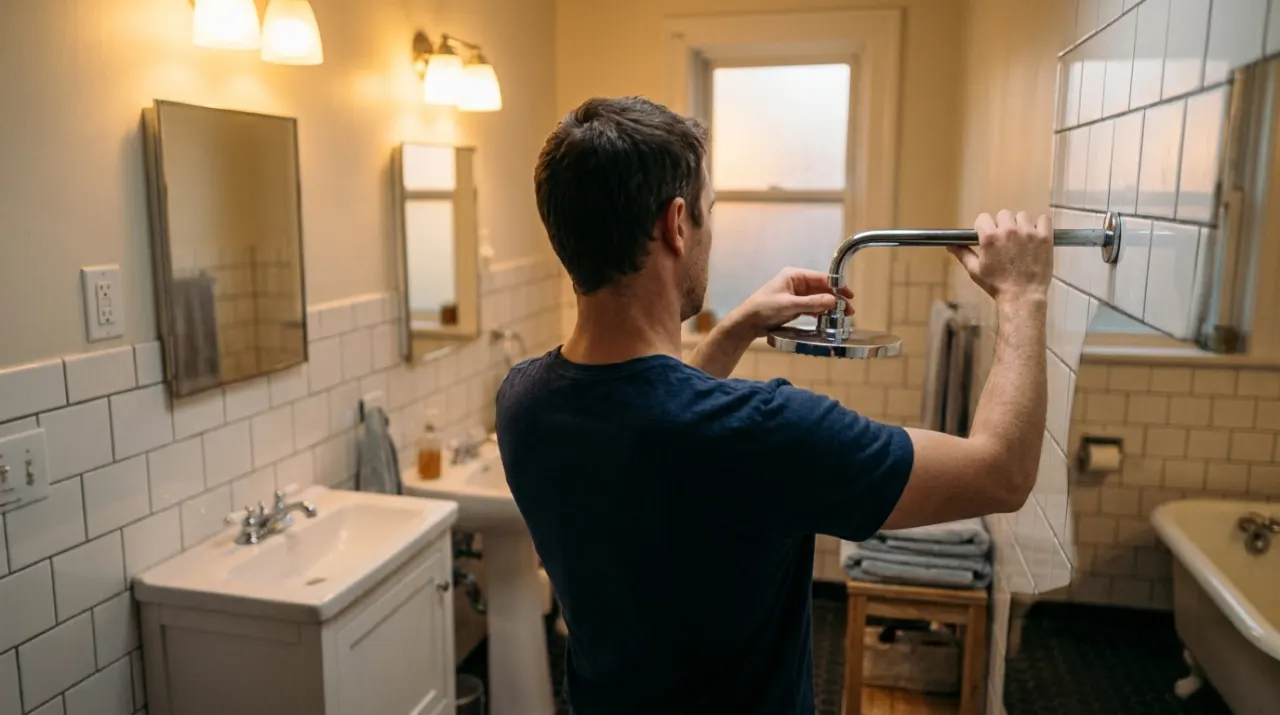
It is one of the easier bathroom jobs, requiring an adjustable wrench and a towel. Shut the supply valve at the wall, flush to empty the tank, and hold a towel under the connection. Disconnect the supply hose from the tank, thread the supplied T-valve onto the tank inlet, reconnect the original hose to the T, and run the new hose to the attachment. Then unbolt the seat, set the attachment plate on the bowl rim, and reinstall the seat through it. The one rule that prevents most problems: hand-tighten plastic fittings and add only about a quarter turn, because a wrench cracks plastic threads and a cracked T-valve is the classic slow leak. Check for drips at 24 hours and again a week later.
What do owners actually complain about?
- Cold water in winter. The most common gripe by a wide margin, particularly in northern states. Most users report adjusting within a week or two.
- Leaks from overtightened plastic fittings, which is an installation issue rather than a product defect.
- Nozzle position not suiting every user, since a fixed-angle attachment cannot adapt the way an adjustable seat can.
- Spray pressure that starts too strong on the first use. Open the control knob gradually.
- Clearance problems on French-curve or contoured seats, where the plate raises the seat noticeably.
- Hard water clogging the nozzle over time. A self-cleaning nozzle helps; periodic vinegar soaking helps more.
Is a bidet better for you?
Water cleaning is standard in much of the world and is used in clinical settings, and many people find it more comfortable than paper. The published research is limited and mixed, and some studies have raised questions about very frequent or high-pressure use in specific conditions. If you have hemorrhoids, fissures, recurrent urinary tract infections, reduced sensation, or any relevant medical condition, ask your doctor before changing your routine and follow their guidance on pressure and frequency. Nothing here is medical advice. As a general practical note, use the lowest pressure that works and dry gently afterward.
Who should skip it?
Skip a basic attachment if cold water is genuinely unacceptable to you and you are not prepared to tee off the hot line or step up to a heated seat, if your toilet has non-standard geometry that leaves no mounting clearance, or if you are renting somewhere that prohibits touching the supply plumbing. For everyone else, the arithmetic is favorable: a $40 part, half an hour, and a reversible install. If you are replacing the toilet anyway, note that seat height and rim shape affect fit, which is covered in what is a comfort height toilet.
Related: how to caulk around a toilet, why my toilet runs intermittently, and how to unclog a toilet without a plunger. Current picks are in best bidet attachment.