 Garden
Affiliate Disclosure
Some links on this page are affiliate links. As an Amazon Associate, we earn from qualifying purchases — at no extra cost to you. We do not buy, test, or physically handle the products we cover; our rankings come from aggregated owner reviews, ratings and expert consensus. Commissions never change our verdicts. How we rank · full disclosure.
Short version: a raised bed is the fastest way to turn bad ground into a productive garden, because you stop fighting your native soil and simply build better soil on top of it. Beds drain faster, warm up two to three weeks earlier in spring, never get compacted by foot traffic, and put the work at a height your back can live with. This hub covers materials, depth, soil mixes and the beds that owner reviews actually back.
We never buy or physically handle the products we rank — every recommendation comes from aggregated owner reviews, star ratings, review volume and expert consensus. See how we rank. Ready to shop? Start with best raised garden bed.
Why Raised Beds Work
Four advantages account for nearly all of the enthusiasm. Soil control comes first: you fill the bed, so heavy clay, rocky ground, sand or contaminated urban soil stops being your problem. Drainage is second — raised soil sheds excess water instead of sitting in it, which is the difference between healthy roots and root rot in a wet spring. Earlier warmth is third: raised soil warms two to three weeks ahead of ground soil, buying real growing season at both ends of the year. And no compaction, because you never walk on the soil, so it stays loose and roots move freely.
The honest trade-offs are cost and water. A bed plus soil is a real upfront expense compared with digging a row in the ground, and because raised soil drains faster it also dries faster — beds usually need more frequent watering than in-ground plantings, especially in their first year. Drip line laid along a bed solves that permanently; the watering and irrigation hub covers the setup. The straight comparison is in raised bed vs in-ground.
Materials: Metal, Cedar, Plastic and Fabric
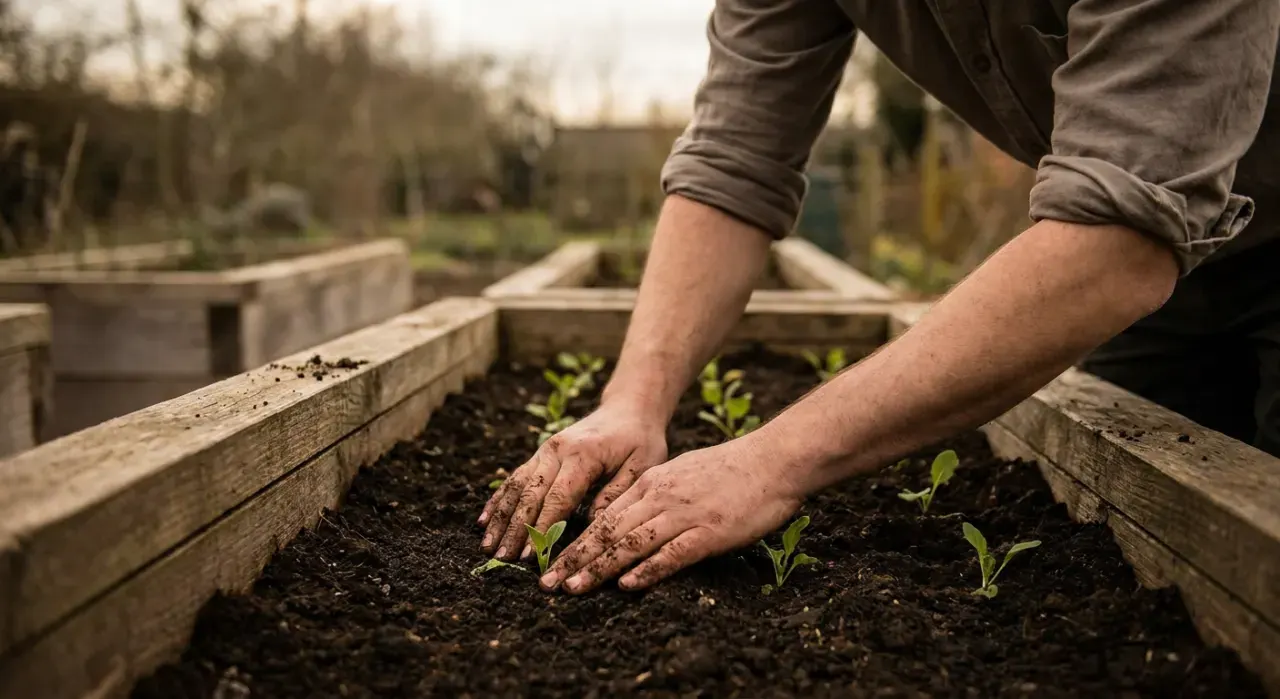
Galvanized and aluzinc metal has taken over the category for good reason — a 20-year service life, no rot, thin walls that give you more soil per square foot, and modular kits that bolt together in an afternoon. The recurring complaints are sharp edges during assembly, panels denting if leaned on, and soil heating slightly faster in extreme sun.
Cedar is the classic and still the prettiest. Naturally rot-resistant, it lasts seven to twelve years untreated and looks better each season. It costs more per square foot than metal and the bottom boards are the first thing to soften. Never use pressure-treated lumber older than 2003 near food crops, and avoid railroad ties and creosote-treated timber entirely.
Plastic and composite beds are light, cheap and rot-proof, and the self-watering versions with a reservoir are genuinely useful on decks and balconies. They can become brittle after years of UV exposure. Fabric beds and grow bags are the budget entry point — a 100-gallon fabric bed costs less than a bag of good soil and air-prunes roots, producing a denser root system. They last three to five seasons and dry out quickly. Rankings for each are in best metal raised beds and best grow bags.
Depth, Width and Layout
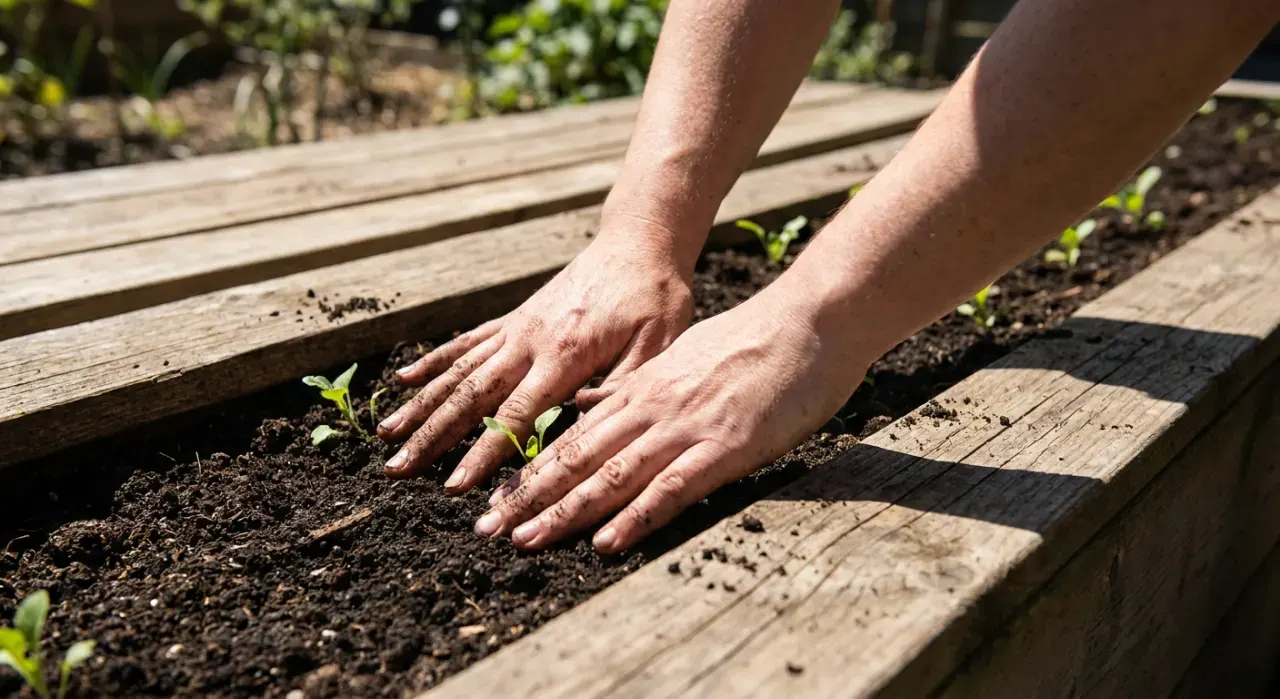
Depth is set by what you grow. Six to eight inches is enough for lettuce, spinach, herbs and radishes. Twelve inches handles tomatoes, peppers, beans, squash, beets and carrots — this is the number that covers the great majority of home gardens. Sixteen to eighteen inches is for full-length carrots, parsnips and potatoes, and for anyone building on concrete where roots cannot escape downward.
Width matters more than people expect: four feet is the maximum for a bed you can reach from both sides, and three feet is better if the bed sits against a fence and can only be worked from one side. Length is up to you. Leave at least 24 inches between beds, and 36 inches if you want a wheelbarrow to pass — most people regret narrow paths within a season. Orient long beds north to south so plants shade each other less. More in how deep should a raised bed be and raised bed spacing and layout.
What to Fill It With
This is where most new raised beds fail. Bagged potting mix alone is too light, dries out constantly and costs a fortune at bed volume. Straight topsoil compacts into a brick. The mix that works is approximately half quality topsoil, 30 percent finished compost and 20 percent aeration material — coarse perlite, pine bark fines or coir. Buy topsoil and compost in bulk by the cubic yard rather than in bags; the price difference is dramatic once you are past about 15 bags.
For deep beds, do not fill the whole volume with purchased soil. Put logs, branches, leaves, straw and untreated cardboard in the bottom third — the hugelkultur approach — then the real soil mix in the top 12 inches. The wood breaks down slowly, holds water like a sponge and feeds the bed for years. Expect the bed to settle three to four inches in the first season and plan to top it up with compost each spring. Full recipes in what to fill a raised bed with and the budget approach in cheapest way to fill a raised bed.
Elevated Beds and Container Planters
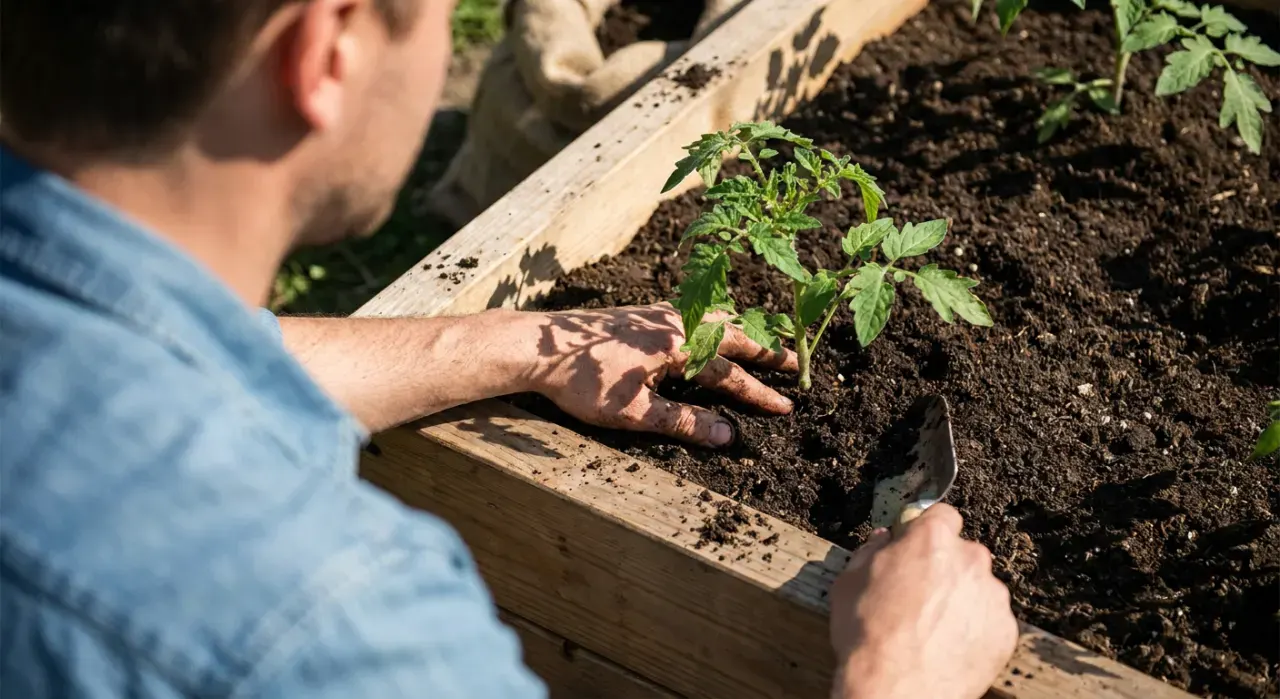
An elevated bed on legs is a different tool from a ground-level bed. It puts soil at waist height, which removes kneeling entirely — the reason it is the standard recommendation for gardeners with back, knee or mobility issues — and it works on a deck, balcony or patio where there is no soil at all. The constraint is volume: most elevated planters hold only eight to twelve inches of soil in a shallow trough, so they suit greens, herbs, bush beans and determinate tomatoes rather than deep-rooted crops.
Because that soil volume is small and exposed to air on all sides, elevated beds dry out fast. Self-watering models with a reservoir in the base solve this and are worth the premium if you cannot water daily in summer. Whatever you choose, check that the drainage holes are real and unobstructed — a blocked elevated planter drowns plants faster than a bed in the ground ever will. Picks in best elevated planter box and best self-watering planters.
The Galvanized Metal Question
The most common worry about metal beds is whether zinc leaches into food crops. The consensus from extension services and soil scientists is that ordinary galvanized and aluzinc beds are safe for vegetable growing. Zinc is an essential plant micronutrient, the coating dissolves extremely slowly at the near-neutral pH most garden soils hold, and meaningful release requires strongly acidic conditions that vegetable beds do not reach. Modern garden beds are not made with cadmium-bearing coatings.
If you garden in unusually acidic soil, grow acid-loving crops such as blueberries in a metal bed, or simply prefer to remove the variable, line the bed or choose cedar. We work through the actual research in are galvanized beds safe.
Where to Start
If you are building your first bed this season: pick a 4 x 8 foot bed at 12 inches deep in metal or cedar, site it where it gets at least six hours of sun, fill it with the topsoil-compost-aeration mix, and run a drip line along it before you plant anything. Start with the best raised garden bed rankings, then read what to fill a raised bed with before you order soil. The map below links everything else.