 Garden

Affiliate Disclosure
Some links on this page are affiliate links. As an Amazon Associate, we earn from qualifying purchases — at no extra cost to you. We do not buy, test, or physically handle the products we cover; our rankings come from aggregated owner reviews, ratings and expert consensus. Commissions never change our verdicts. How we rank · full disclosure.
Plant one tomato per 10-gallon grow bag. That is the working rule, and it holds for nearly every variety sold in a garden center. A 5-gallon bag supports a single compact determinate or patio type. A 15 to 20-gallon bag comfortably carries one indeterminate through a full season without daily watering. Two plants in a 10-gallon bag is the most common mistake in container tomato growing: the pair competes for the same water and nitrogen, both stay stunted, and the combined harvest typically comes in below what one uncrowded plant would have given you.
What size bag does each type of tomato need?
Cooperative extension guidance on container vegetables converges on 5 gallons as the absolute floor for a tomato and 10 or more as the practical recommendation, and owner experience in fabric bags matches that closely. Fabric breathes, which is why bag sizing runs slightly larger than the equivalent plastic pot.
| Bag size | Plants | Suits |
|---|---|---|
| 3 gallon | 0 | Too small for tomatoes; herbs only |
| 5 gallon | 1 | Patio and dwarf determinates only |
| 7 gallon | 1 | Standard determinate, comfortably |
| 10 gallon | 1 | Any indeterminate; the default choice |
| 15 gallon | 1 | Vigorous indeterminate, less watering |
| 20–25 gallon | 1–2 | Two determinates works; two indeterminates still crowds |
Why does crowding cost you so much yield?
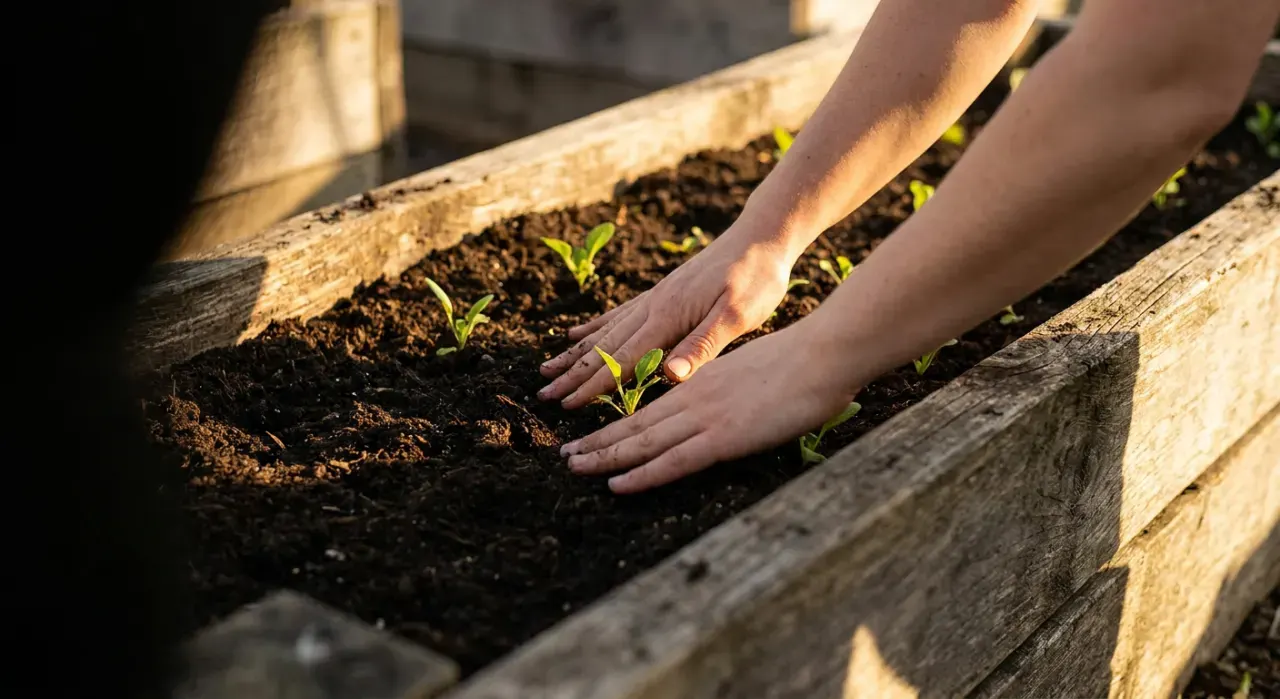
Three mechanisms, and they compound. First, water. A bag holds a fixed volume of available moisture; two plants draw it down in half the time, so the mix swings between wet and dry far more sharply. Second, calcium. Blossom end rot is a calcium transport failure driven by inconsistent moisture rather than by a shortage of calcium in the mix, which is why it appears in crowded containers even where the grower has added lime. Third, light and airflow. Two vines in one bag shade each other, and the still, humid air inside a dense canopy is exactly the condition early blight and septoria leaf spot need.
Fabric bags magnify the water issue relative to plastic because they lose moisture through the sidewalls as well as the surface. That evaporation is the same property that air-prunes roots and prevents circling, so it is a feature, not a defect, but it means volume matters more, not less.
How far apart should the bags themselves sit?
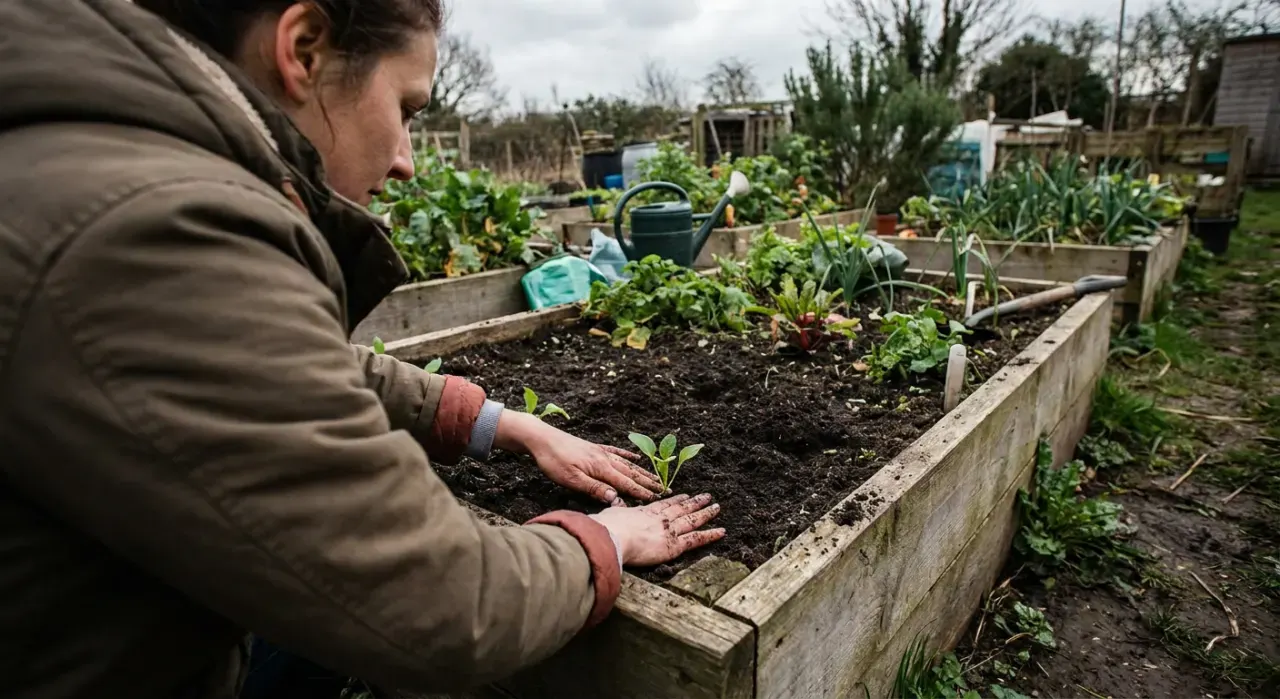
Set 10-gallon bags 18 to 24 inches apart, measured rim to rim, for indeterminates on stakes. That gives enough airflow to keep foliar disease down while still letting the bags shade one another at soil level, which reduces evaporation on hot afternoons. Determinates in 7-gallon bags can go 15 to 18 inches apart. If you are running a row along a fence, give the row a north-south orientation so both sides of each plant get sun through the day.
What else decides whether one plant thrives?
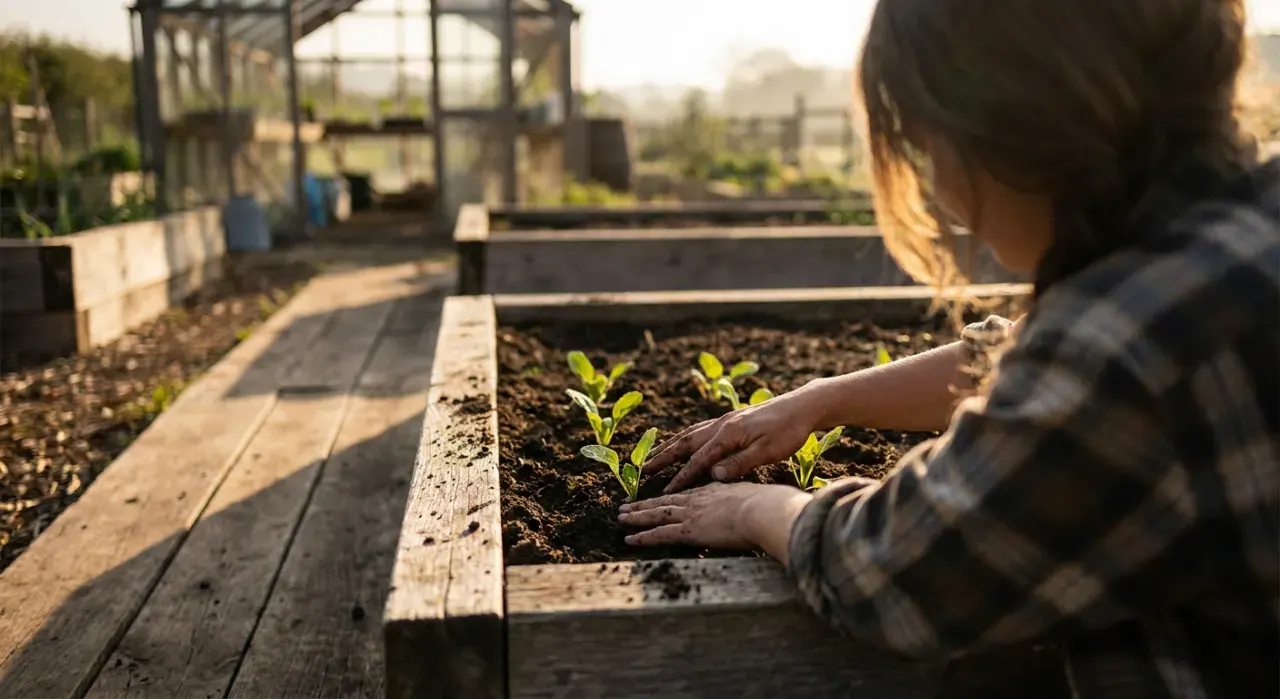
Volume is the first constraint, but the mix is the second, and garden soil in a grow bag will compact and defeat everything else you do — the correct blend is covered in what to fill grow bags with. Beyond that, stake or cage every plant at planting time rather than after it flops, feed with a balanced fertilizer once flowers set rather than pushing nitrogen all season, and mulch the surface of the bag with an inch of straw or shredded leaves to slow evaporation.
If you are still choosing a size, what size grow bag for tomatoes goes into the volume question in detail, and our best grow bags roundup ranks the fabrics owners report holding up longest under a full-season tomato.
We never buy, test or physically handle the products we rank. Recommendations come from aggregated owner reviews, star ratings, review volume and expert consensus — see how we rank.
More from this hub: Raised Beds & Planters · Best grow bags · Grow bags vs plastic pots · How long grow bags last · How we rank