 Garden
Affiliate Disclosure
Some links on this page are affiliate links. As an Amazon Associate, we earn from qualifying purchases — at no extra cost to you. We do not buy, test, or physically handle the products we cover; our rankings come from aggregated owner reviews, ratings and expert consensus. Commissions never change our verdicts. How we rank · full disclosure.
Short version: most household plumbing problems are one of five things — a clogged drain, a running toilet, a dripping faucet, a leaking supply line or low pressure — and four of the five are a genuinely reasonable DIY job with about $60 of tools. The skill is knowing which problem you have, trying the gentle fix before the aggressive one, and recognizing the small number of jobs where calling a plumber is the cheaper decision. This hub covers all of it.
We do not test products. Every ranking here comes from aggregated owner reviews, star ratings weighted by review volume and expert consensus — the method is on how we rank.
Before Anything Else: Find Your Shutoffs
The one piece of plumbing homework that pays for itself is knowing, today, where the water turns off. There are three levels. Fixture shutoffs are the small oval or lever valves under every sink and behind every toilet — turn one and that fixture alone goes dry. The main shutoff is usually where the supply enters the house: a basement wall, a crawlspace, a utility closet, or a garage on a slab. The street shutoff lives in a meter box near the curb and needs a meter key. Find and label all three, and turn each one a quarter turn twice a year so it does not seize in place — the classic emergency is a valve that has not moved in fifteen years and will not move now. Details in where are my shutoff valves.
Clogs: the Order That Works
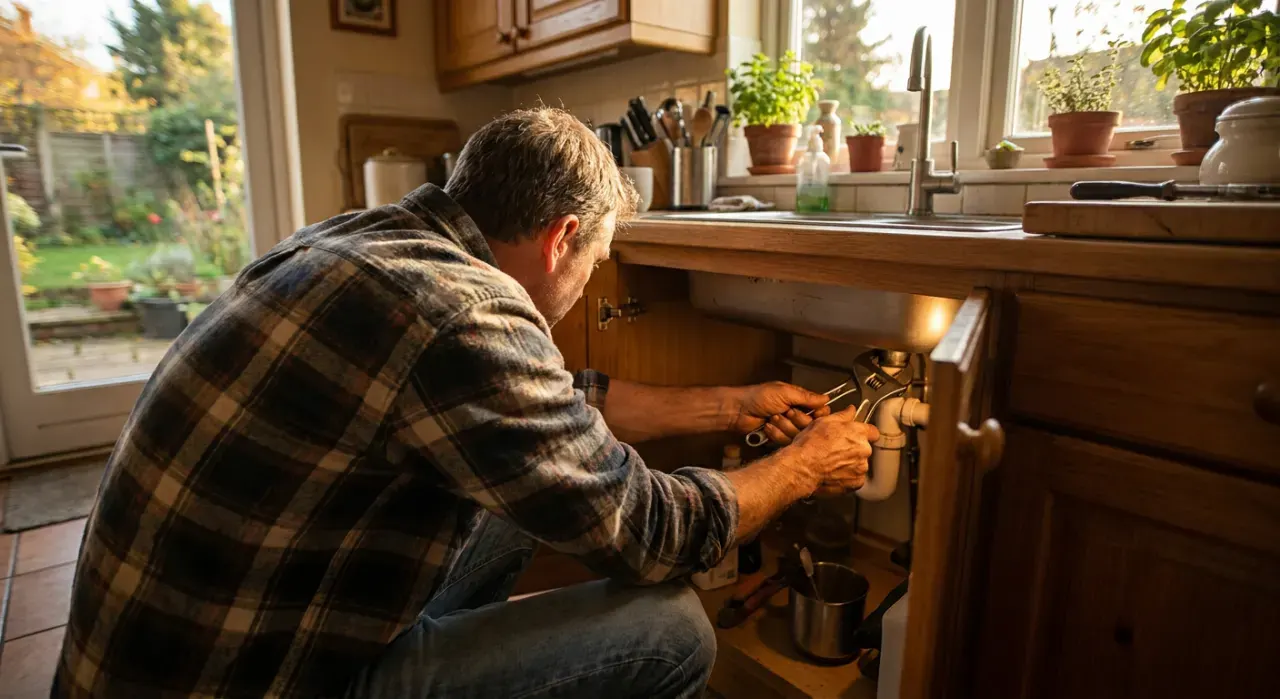
Escalate gently. Each step is less pleasant than the one before, so working in order saves effort and avoids damage.
- Hot water. On a slow kitchen drain, a kettle of near-boiling water in two or three stages often dissolves enough congealed grease to restore flow. Do not use boiling water on a fully blocked line with standing water, and go easy on older PVC.
- Plunge. Use a cup plunger on a flat sink drain and a flange plunger on a toilet. Block the overflow hole with a wet rag or the plunger just moves air, and keep enough standing water to seal the rim.
- Pull the trap or the stopper. Bathroom sinks and tubs are usually clogged with hair wrapped around the stopper mechanism, inches below the drain. Kitchen sinks are often clogged in the P-trap itself. Both are a bucket, a towel and ten minutes.
- Hair tool. A barbed plastic wand or a micro-hook wand reaches 18 to 24 inches down a bathroom drain and pulls the mat out whole. It is the single most satisfying tool in plumbing.
- Drain auger. For clogs beyond the trap, a 25-foot drum auger reaches the branch line and either breaks through or retrieves the blockage. The ranked options are in best drain snake.
- Toilet auger. A toilet needs its own tool — a closet auger with a vinyl sleeve that protects the porcelain. Never put a drum auger cable into a toilet bowl.
Chemical cleaners sit near the bottom of that list for good reason, and the reasons are set out in are chemical drain cleaners safe. The full walkthrough is in how to unclog a drain.
The Running Toilet, Diagnosed in Five Minutes
A toilet that runs continuously can waste several thousand gallons a month, and it is almost always one of three parts. Take the tank lid off and look. If water is trickling into the bowl and the tank level is normal, the flapper is not sealing — it has warped, mineralized or the chain is too short. A replacement flapper costs a few dollars and takes five minutes with the supply off. If water is running into the overflow tube, the fill valve is not shutting off or the float is set too high; adjust the float first, replace the fill valve if adjusting does not hold. If nothing is obviously moving but the toilet cycles on its own every few minutes, that is a slow flapper leak — put a few drops of food coloring in the tank, wait twenty minutes without flushing, and check whether color appears in the bowl. Step-by-step in how to fix a running toilet.
Drips, Cartridges and Faucet Repairs
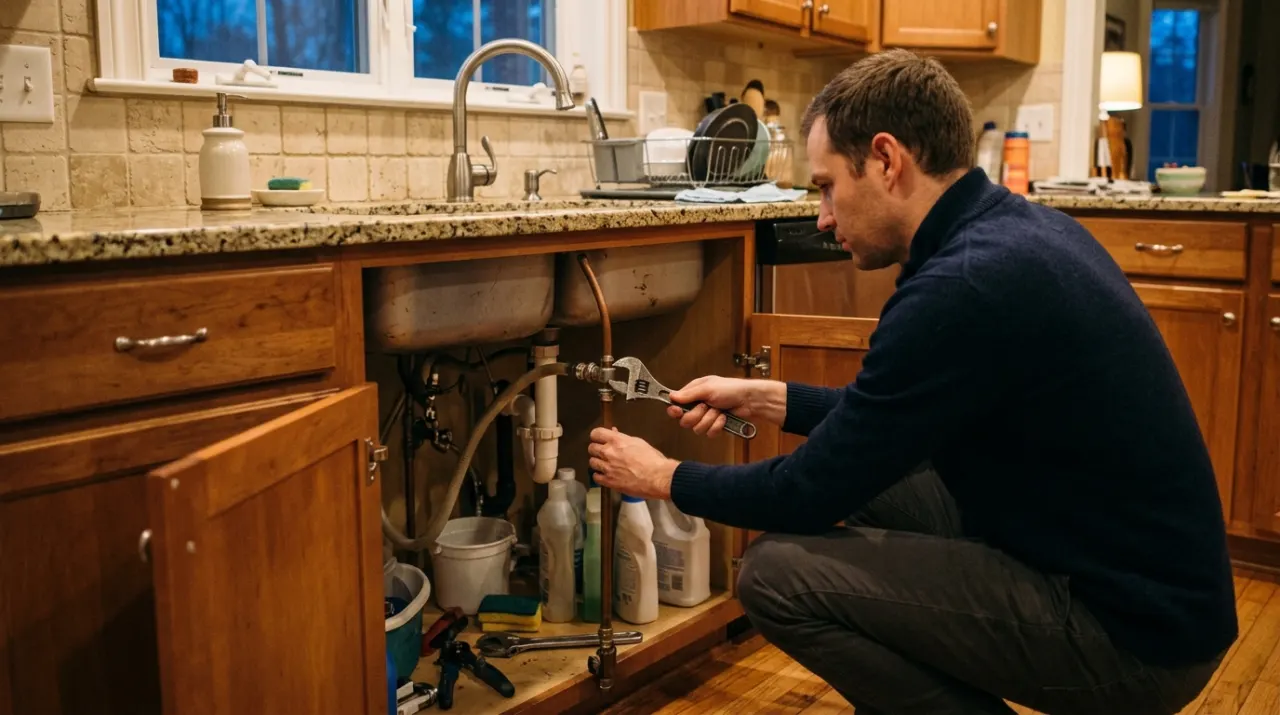
A dripping faucet is a worn seal, and which seal depends on the faucet type. Single-handle faucets almost always use a cartridge; two-handle faucets may use cartridges, ceramic discs, a ball assembly or old-style compression washers. The repair is the same shape in every case: shut off the fixture valves, plug the drain so nothing small escapes, take the handle off, note the order of every part as it comes out, take the old cartridge to the store, and reverse the process. Most faucet brands sell repair kits matched to a model number stamped somewhere on the unit. If the faucet is old, corroded or a discontinued brand, replacing it outright is frequently faster and not much dearer — see how to replace a kitchen faucet and, if you are shopping, best kitchen faucet.
Low Water Pressure
Diagnose by scope. One fixture only? Unscrew the aerator at the end of the spout and rinse the screen — mineral debris in an aerator is the most common cause in the house, and it takes two minutes. If that is clean, suspect the cartridge or a partly closed shutoff. One bathroom? Suspect a partly closed valve or a corroded galvanized branch line. The whole house? Check the pressure regulator where the main enters, if you have one; they fail. Normal residential pressure runs about 45 to 60 PSI, and a $12 gauge that screws onto a hose bib tells you where you stand in thirty seconds. Anything above 80 PSI is hard on appliances and should be regulated down. More in low water pressure, diagnosed.
The Tool Kit That Covers It
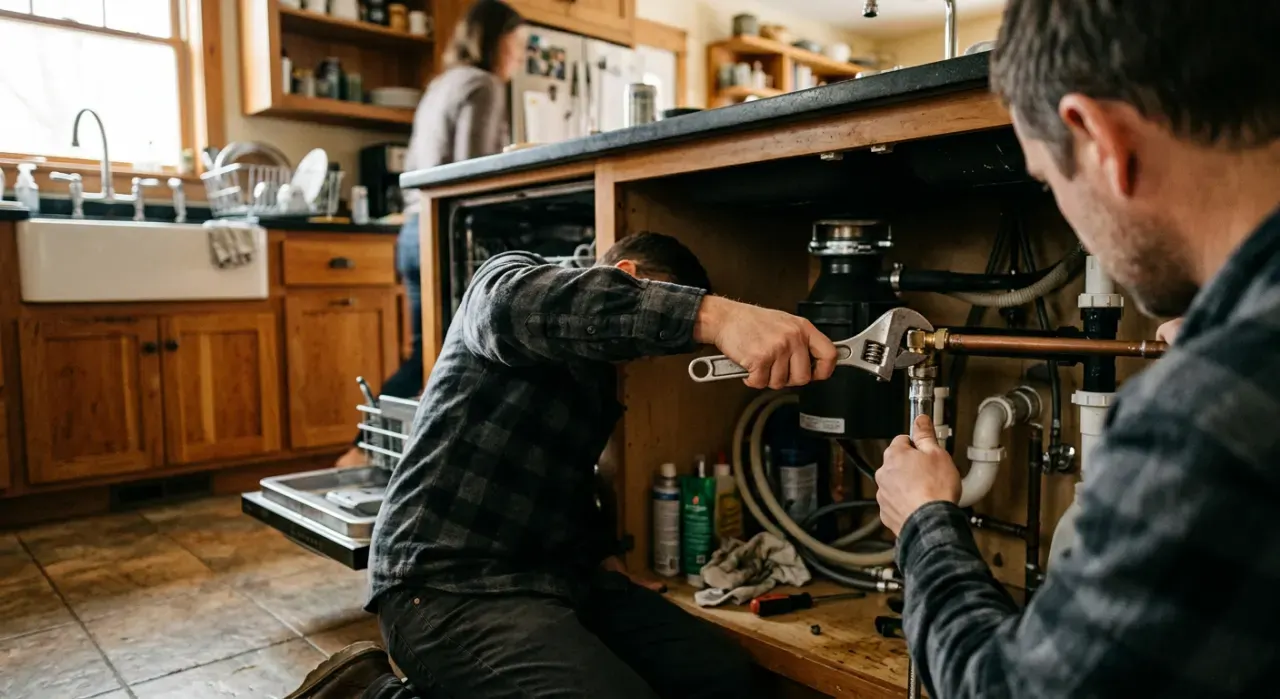
You do not need a plumber’s van. Nine items handle nearly everything: a flange plunger for toilets and a cup plunger for sinks, a 25-foot hand-crank drum auger, a pack of barbed hair wands, a toilet auger, a basin wrench for the impossible nuts behind a sink, large tongue-and-groove pliers, an adjustable wrench, PTFE thread tape, and a bucket with old towels. Add a bright headlamp — under-sink work is done in the dark and nobody accounts for it. Ranked picks are in best drain snake, best toilet plunger and best plumbing tools. If a repair drifts into cutting, drilling or anchoring, the power tools and workshop hub covers those tools.
Freezing, Winter and the Failure Nobody Plans For
A burst pipe is the most expensive thing on this page, and it is preventable. Before the first hard freeze: disconnect and drain garden hoses, shut off and drain the hose bibs if they are not frost-free, insulate pipes in unheated crawlspaces, garages and exterior walls, and know where the main shutoff is. During a deep freeze, let the faucet farthest from the meter drip and open cabinet doors under sinks on exterior walls so warm air reaches the pipes. If a pipe does freeze, shut the water off first, then warm the section gently with a hair dryer working from the faucet back toward the frozen area — never with an open flame. The seasonal checklist is in winterizing pipes.
Knowing When to Stop
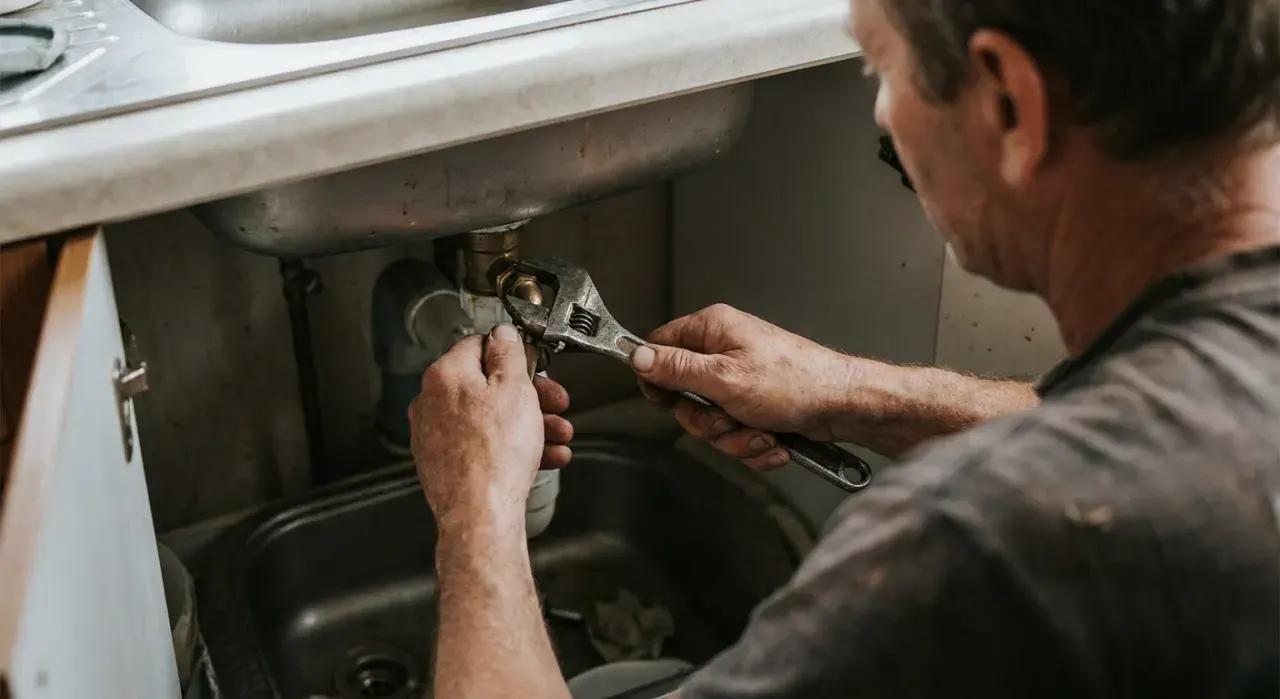
Five situations where calling a licensed plumber is the cheaper decision, not the lazy one: sewage backing up into more than one fixture at once, which usually means a main line problem; any leak inside a wall or ceiling; anything connected to a gas water heater; work that needs a permit, such as moving drain lines or re-piping; and any job where you cannot find or turn a shutoff valve. There is no prize for finishing a plumbing job that floods a room. Our honest list is in when to call a plumber.
Where to Start
Blocked drain right now? Go to how to unclog a drain and work down the list. Buying the tool first? The best drain snake rankings cover hand augers, drum augers and hair tools with the complaints owners file about each. Everything else in this hub is on the topical map below.