 Garden
Affiliate Disclosure
Some links on this page are affiliate links. As an Amazon Associate, we earn from qualifying purchases — at no extra cost to you. We do not buy, test, or physically handle the products we cover; our rankings come from aggregated owner reviews, ratings and expert consensus. Commissions never change our verdicts. How we rank · full disclosure.
Replacing a toilet is a real DIY project — about 2 hours, roughly $100 to $400 for the toilet, no permit in most jurisdictions, but definitely a two-person lift. You shut off and drain the old one, unbolt and remove it, scrape the flange clean, set a fresh wax ring, drop the new bowl straight down, snug the bolts and reconnect the water. The two ways it goes wrong are a botched wax-ring seal and over-tightened bolts that crack the china. Call a plumber if the flange is broken or the floor beneath it is soft — that is repair work beyond a straight swap.
We never buy, test or physically handle the products we rank; recommendations come from aggregated owner reviews and expert consensus, described in how we rank. More at the DIY plumbing hub.
Tools and materials
- New toilet (know your rough-in — the distance from the wall to the center of the floor bolts, usually 12 inches), a new wax ring (buy two), and new closet bolts.
- Adjustable wrench, a hacksaw or bolt cutters, a putty knife, a sponge and bucket, rags, and shims.
- A new braided supply line and bathroom-grade silicone caulk.
- Basic hand tools from a plumbing tool kit, plus a helper for the lift.
Step 1: Shut off, drain, and remove the old toilet
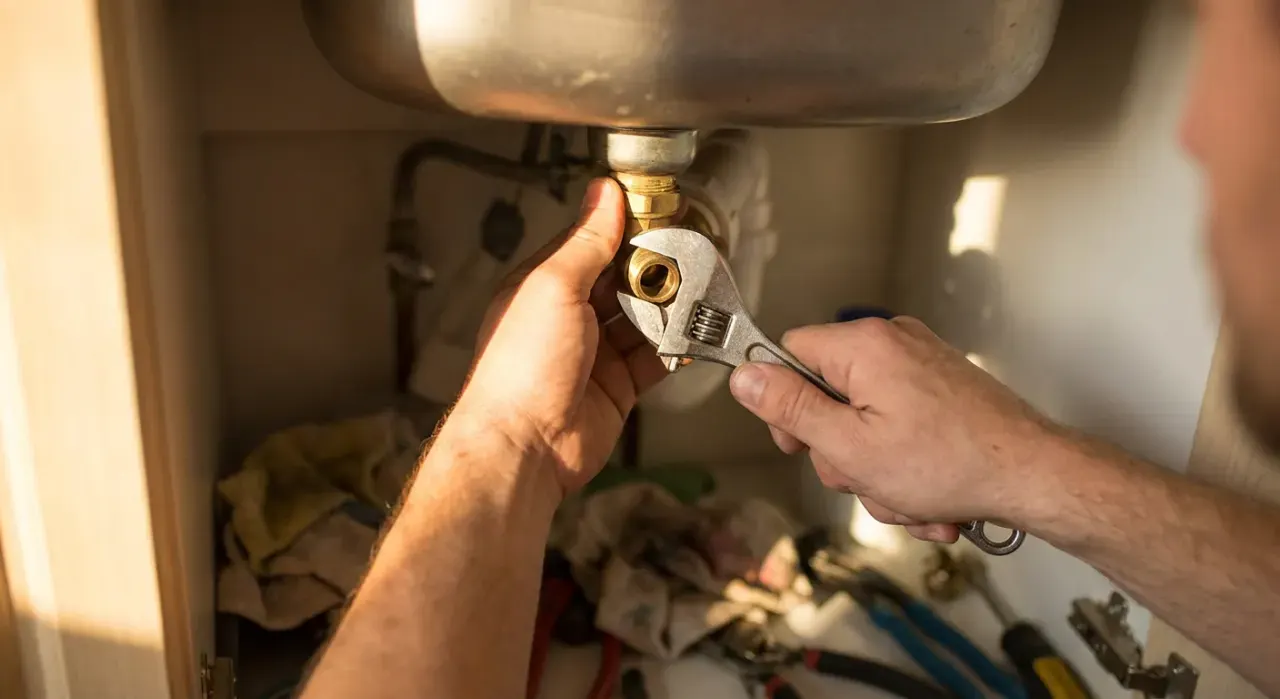
Close the shutoff valve behind the toilet and flush, holding the handle to drain as much as possible. Sponge the remaining water out of the tank and bowl — a wet-dry vac is faster. Disconnect the supply line. Pry off the bolt caps at the base and remove the two nuts; if a bolt spins, cut it with a hacksaw. Rock the toilet gently to break the wax seal, then lift it straight up (with your helper) and set it on a towel or cardboard. Stuff a rag into the open drain pipe to block sewer gas.
Step 2: Scrape the flange and check its condition
Remove the rag briefly and scrape all the old wax off the flange with a putty knife until the metal or plastic ring is clean. Inspect the flange now — it should sit on top of the finished floor and be intact. If it is cracked, badly corroded, or below the floor level, stop and address it (a repair flange or a plumber) before going further; a compromised flange is the most common reason a new toilet leaks. Set new closet bolts into the flange slots, pointing up, and position them evenly on each side.
Step 3: Set the wax ring
Press a new wax ring onto the underside of the toilet's outlet horn, or onto the flange — either works, but on the horn gives you a clear view of the alignment. Use a funnel-style ring if the flange is at or below floor level. You get one attempt: once the toilet touches the wax and you have pressed down, lifting it to re-aim ruins the seal and you must start with a fresh ring. So aim carefully before you commit.
Step 4: Set the new toilet
Lift the bowl over the drain, line the two bolt holes up with the closet bolts, and lower it straight down without twisting. Once it is seated on the bolts, press down firmly with your body weight and a slight rock to compress the wax ring evenly. Slip on the washers and nuts and tighten them alternately, a little each side, until the toilet stops moving — then stop. Over-tightening cracks the base. Shim any remaining wobble. Snap on the bolt caps (cut the bolts to length first if needed).
Step 5: Reconnect, test, and caulk
If it is a two-piece toilet, bolt the tank onto the bowl now, tightening the tank bolts evenly and just until snug. Connect the supply line to the fill valve and the shutoff — hand-tight plus a quarter turn. Open the valve, let the tank fill, and flush several times while you watch the base and the tank-to-bowl connection for any water. Check again after a full day. Finally, run a bead of silicone caulk around the base, leaving a gap at the back so a future leak has somewhere to show itself.
Common mistakes
- Re-aiming after the wax ring touches down. Ruins the seal. Aim once, commit once.
- Over-tightening the closet or tank bolts and cracking the china — often days later.
- Ignoring a low or damaged flange and hoping the wax bridges the gap.
- Sealing the caulk all the way around, hiding a future leak that then rots the subfloor.
When to call a plumber
Call a pro if the closet flange is broken or sits below a newly raised floor, if the subfloor around the toilet feels spongy (water damage that needs repair before a toilet goes back), if you are relocating the toilet to a new spot, or if the shutoff valve is seized. Moving or adding a drain line is code-regulated work that typically needs a permit and inspection; a straight replacement onto a sound existing flange does not. If cost is your deciding factor, see how much it costs to replace a toilet.
Related: how to replace a toilet wax ring, how to replace a toilet fill valve, and how to replace a toilet supply line.