 Garden

Affiliate Disclosure
Some links on this page are affiliate links. As an Amazon Associate, we earn from qualifying purchases — at no extra cost to you. We do not buy, test, or physically handle the products we cover; our rankings come from aggregated owner reviews, ratings and expert consensus. Commissions never change our verdicts. How we rank · full disclosure.
A healthy 40-gallon tank gives roughly 18 minutes of shower and a 50-gallon tank around 23. If yours gives five or ten, something is wrong rather than undersized. The usual causes, in the order worth checking: a broken dip tube letting cold water mix straight into the hot outlet, a sediment layer stealing capacity, a failed lower heating element on an electric tank, a crossover through a failed mixing valve, a thermostat set low, or genuine undersizing after a household change.
We never buy, test or physically handle the products we rank; recommendations come from aggregated owner reviews and expert consensus, described in how we rank. More at the DIY plumbing hub.
How much hot water should a tank actually give?
Set the benchmark before diagnosing anything. You cannot use every gallon in a tank — draw past about 70 percent and the outlet temperature falls away as incoming cold mixes in. And a 105°F shower does not use pure hot water; from a 120°F tank with 55°F incoming water, roughly three parts hot to one part cold. Those two facts give the usable figures below, at a 2.0 gallon-per-minute showerhead.
| Tank size | Usable hot water | Approx. shower time | Typical recovery rate |
|---|---|---|---|
| 30 gallon | ~21 gal | 13–14 minutes | Gas ~30 gph / electric ~20 gph |
| 40 gallon | ~28 gal | 18–19 minutes | Gas ~35–40 gph / electric ~20 gph |
| 50 gallon | ~35 gal | 22–23 minutes | Gas ~40–45 gph / electric ~21 gph |
| 80 gallon (electric) | ~56 gal | 36 minutes | ~21 gph |
Two things shift these numbers. Winter incoming water in the northern US can drop to 40°F, which cuts usable shower minutes by 15 to 20 percent versus summer. And a 2.5 gpm showerhead instead of a 2.0 gpm one costs you a fifth of the time — the EPA WaterSense label caps showerheads at 2.0 gpm and is the cheapest fix on this page.
What is the fastest thing to check?
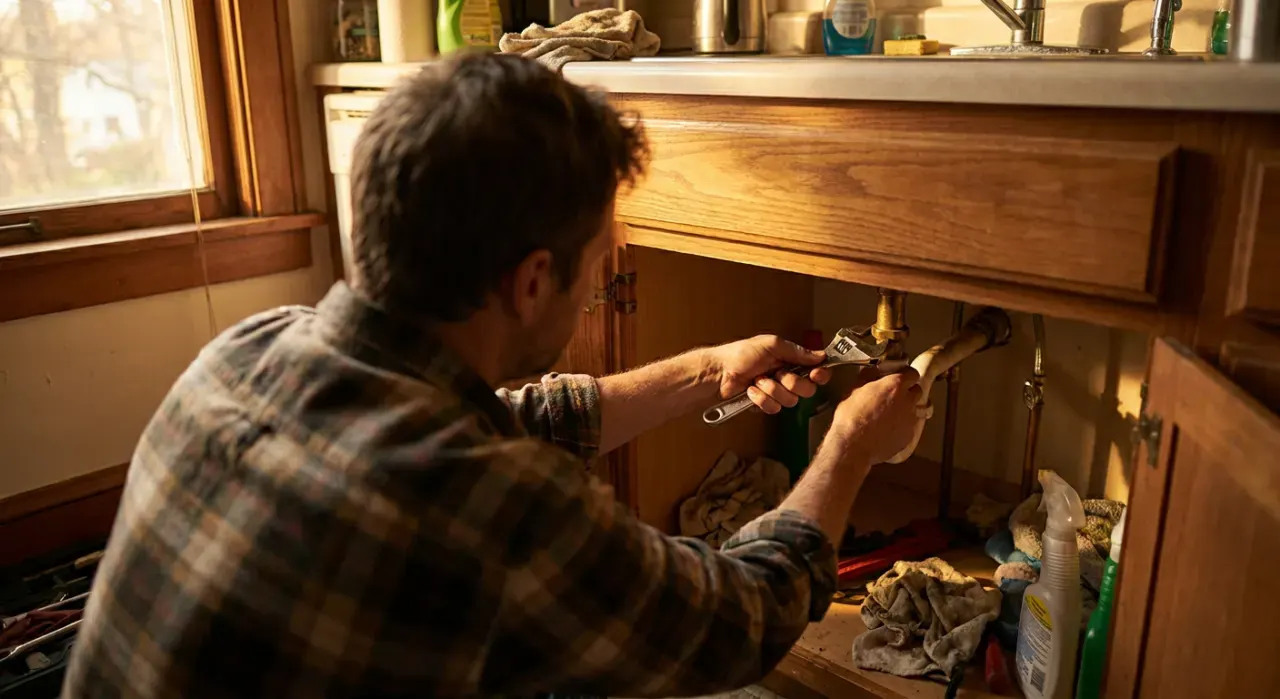
Unscrew a faucet aerator and the showerhead and look for plastic fragments. Small white, gray or blue plastic chips are the signature of a disintegrating dip tube, and it is the single most common cause of a sudden, dramatic loss of hot water capacity in a tank that used to be fine. A replacement dip tube costs $10 to $25 and takes about an hour, though on a tank past ten years the sensible move is usually to put the money toward replacement instead.
The related test: run the hot tap and time how long until the temperature drops. Hot for two minutes then tepid points at a dip tube or a crossover. Hot for eight minutes then a clean cliff-edge to cold points at a tank that is emptying normally — that is a capacity or element problem.
Why does an electric tank half-work?
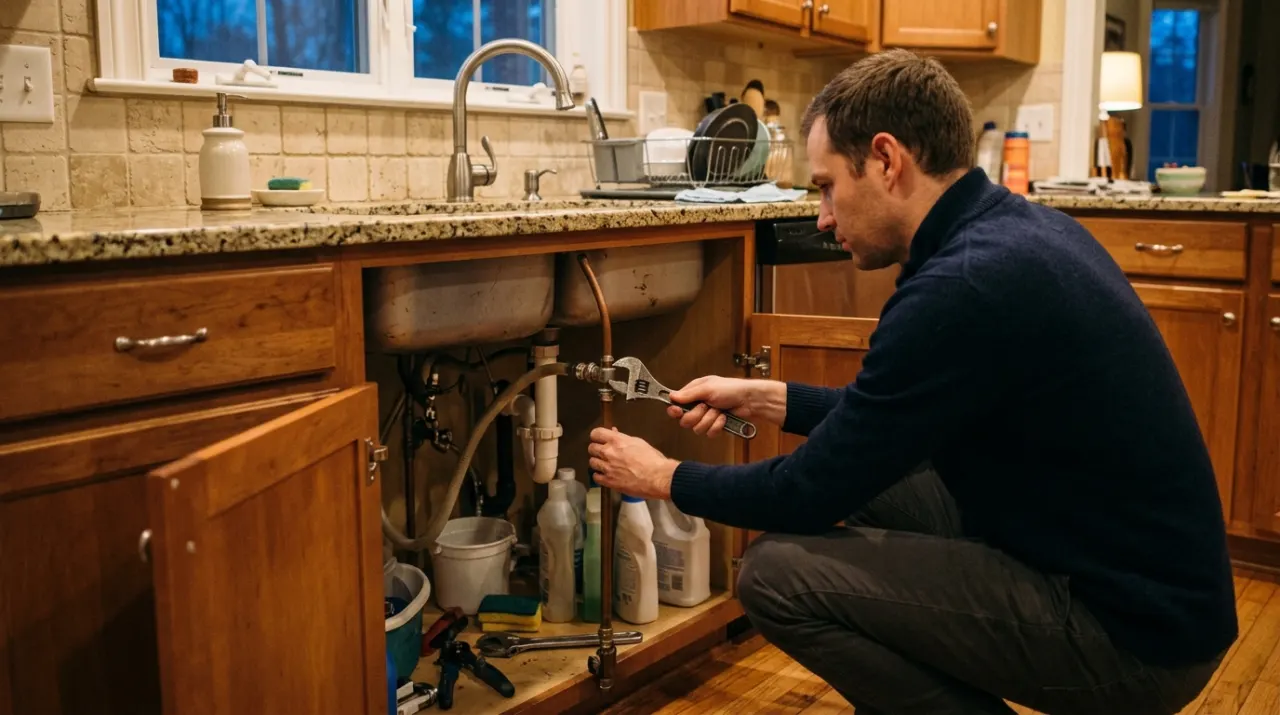
Electric tanks have two elements, upper and lower, and in the standard non-simultaneous wiring only one runs at a time. When the lower element fails, the upper element still heats the top third of the tank — so you get hot water, just not much of it, and it recovers slowly. This is the classic "I get one short shower" symptom. Elements cost $15 to $40 and thermostats similar; testing them requires a multimeter and pulling the access panels with the breaker off, because those terminals carry 240 volts. If you are not confident working around that, it is an inexpensive service call.
What is a crossover, and how do you test for it?
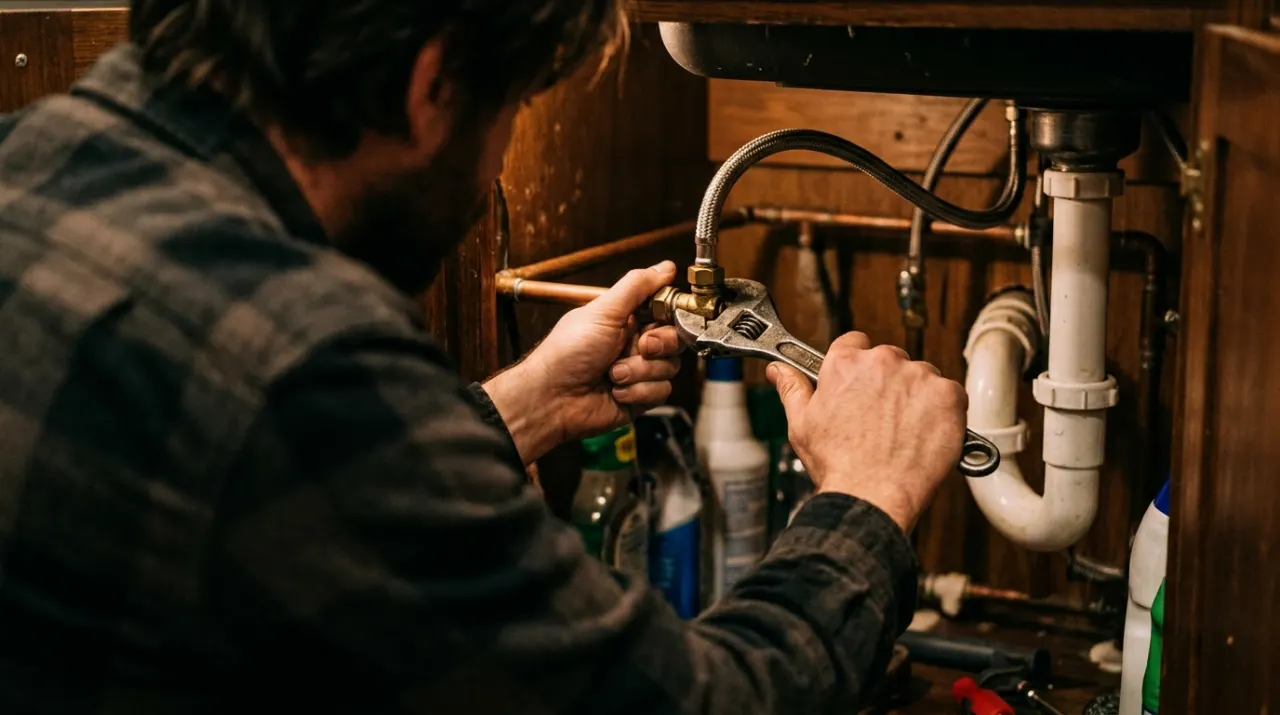
A crossover is cold water leaking into the hot side through a failed fixture — usually a single-handle shower or tub valve whose cartridge no longer seals, or a failed thermostatic mixing valve. The tank then continually bleeds hot water into the cold lines and never wins. The test takes five minutes: shut the cold inlet valve at the top of the water heater, then open a hot faucet somewhere in the house. If water keeps running after a few seconds, cold is getting in from somewhere — that is a crossover, and the culprit is usually the newest or most-used single-handle valve in the house.
What if nothing is broken?
Then the tank is undersized for what the household now does, and there are three honest options. Reduce demand: a 2.0 gpm or 1.75 gpm showerhead, staggered showers, and running dishwasher and laundry off-peak. Raise the setpoint modestly, since a hotter tank stretches further when mixed down — but read what temperature a water heater should be set to first, because above 120°F you need a mixing valve to stay safe. Or size up, using the first-hour rating on the yellow EnergyGuide label rather than the tank gallons, since that is what actually reflects peak-hour delivery.
Before spending anything, flush the tank — see how often to flush a water heater. And if the unit is past ten years old, weigh repairs against how long a water heater lasts and the permit question in do you need a permit to replace a water heater.