 Garden

Affiliate Disclosure
Some links on this page are affiliate links. As an Amazon Associate, we earn from qualifying purchases — at no extra cost to you. We do not buy, test, or physically handle the products we cover; our rankings come from aggregated owner reviews, ratings and expert consensus. Commissions never change our verdicts. How we rank · full disclosure.
Pipes in unheated spaces begin to freeze when the outdoor temperature holds at or below 20°F — not 32°F. Research at the Building Research Council at the University of Illinois established 20°F as the widely used temperature alert threshold for uninsulated pipes in unconditioned areas of homes built for milder climates. Below that, freezing becomes likely once the cold persists for roughly 6 to 12 hours. Wind, poor insulation and a hose left connected to an outdoor faucet all move that threshold higher.
We never buy, test or physically handle the products we rank; recommendations come from aggregated owner reviews and expert consensus, described in how we rank. More at the DIY plumbing hub.
Why 20°F and not the freezing point?
Three buffers sit between the thermometer and the water in your pipe. The building envelope — even an uninsulated crawlspace runs several degrees warmer than outside air. Incoming water temperature, which arrives from the ground at 45 to 60°F depending on region and season and has to shed all of that heat first. And thermal mass: a copper pipe full of water takes hours to cool, so a brief pre-dawn dip does not reach the water inside. The 20°F figure represents the point at which those buffers stop being enough for a typical uninsulated run in an unconditioned space.
The corollary matters as much: in a house with an air leak blowing outdoor air directly onto a pipe — an open crawlspace vent, a gap at the rim joist, a soffit vent above an attic run — those buffers are gone, and the pipe can freeze at temperatures in the high twenties.
What should you do at each temperature?
| Forecast | Risk level | What to do |
|---|---|---|
| Above 32°F | None | Nothing |
| 28–32°F overnight | Very low | Disconnect garden hoses if you have not already |
| 20–28°F overnight | Low | Close crawlspace vents; open cabinet doors under sinks on exterior walls |
| Below 20°F, one night | Moderate for exposed runs | Trickle the farthest faucet, hot and cold; keep the thermostat at 60°F or above |
| Below 20°F for 24+ hours | High | All of the above; check crawlspace and attic runs; know where the main shutoff is |
| Below 0°F, or any deep freeze with wind | Severe | Trickle multiple faucets; consider a safe space heater in the crawlspace; do not leave the house unattended without draining |
Which pipes are actually at risk?
Not the ones in your kitchen. In order, from most to least vulnerable:
- Outdoor hose bibs with a hose attached. The hose traps water in the valve body so it cannot drain back, and even a frost-free sillcock fails when it cannot drain. Disconnect hoses in fall; this is the single highest-value five minutes of winterizing.
- Unheated crawlspaces, especially near open vents.
- Unconditioned attics — a real risk in the South, where plumbing is routinely run in attics on the assumption it never gets cold.
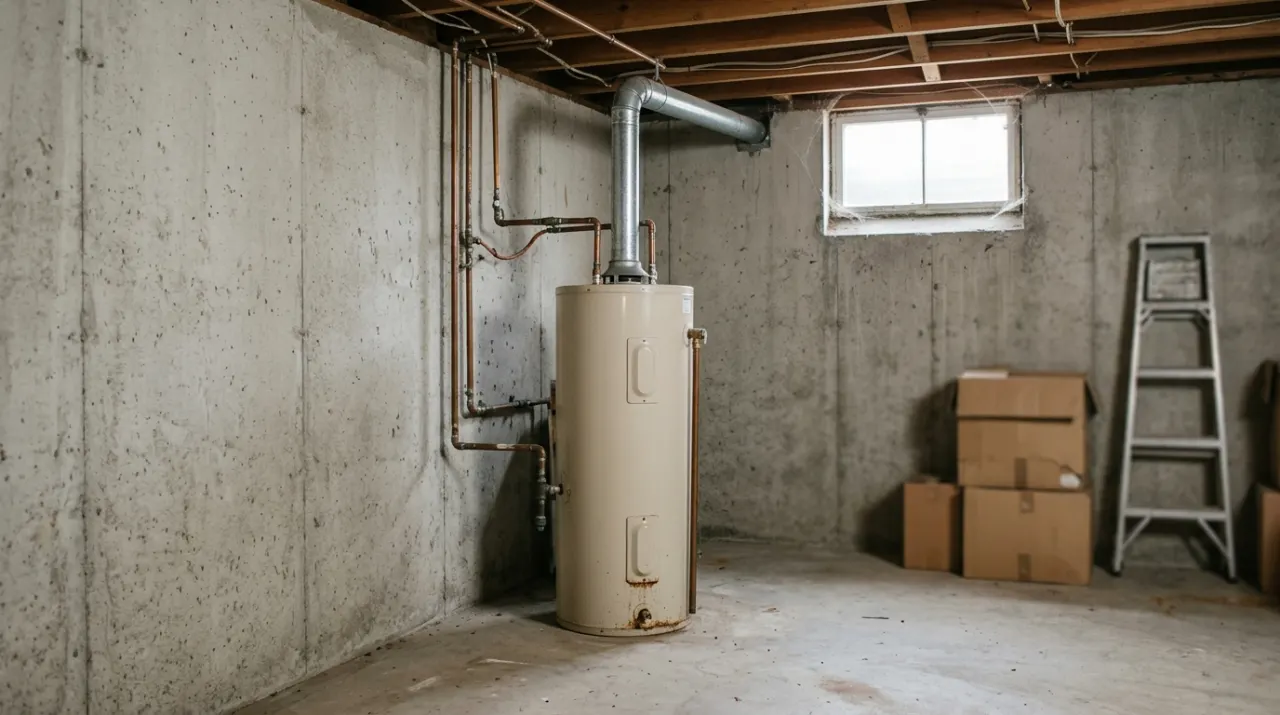
- Garages, particularly the laundry connections and water heaters in attached garages.
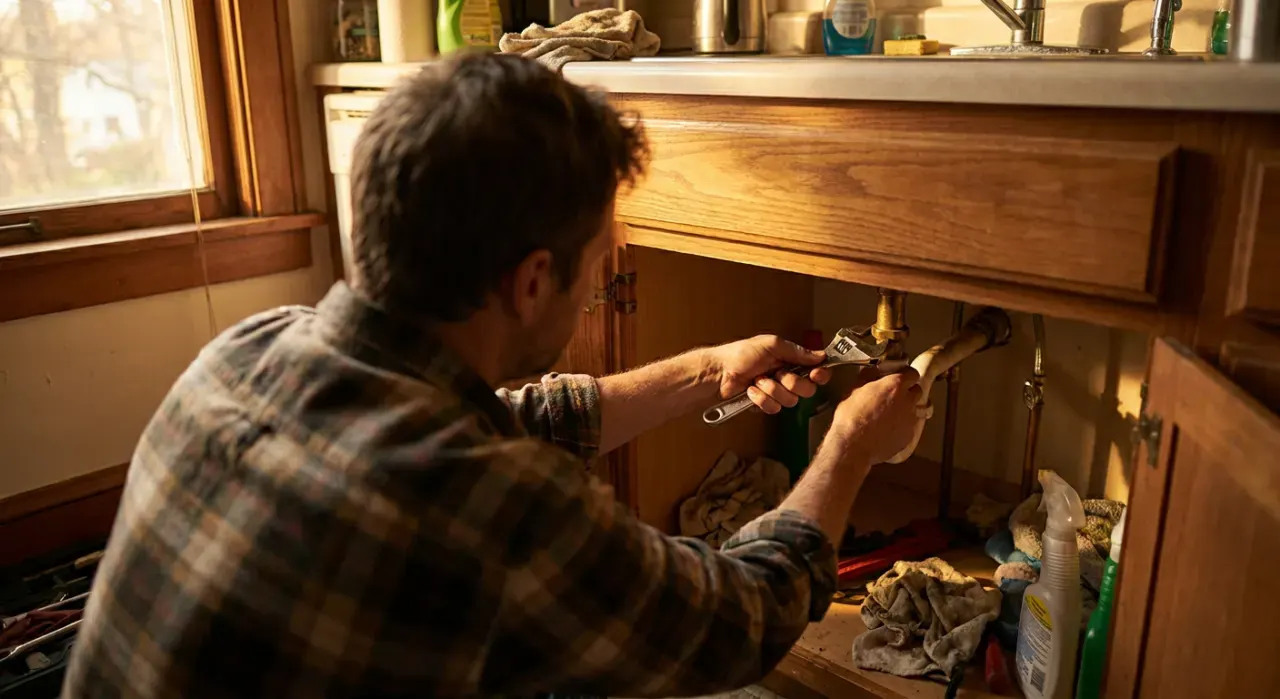
- Exterior walls, where a sink cabinet blocks warm room air from reaching the supply lines.
- Vacation homes and vacant properties, which combine every risk with nobody there to notice.
Why are southern homes more vulnerable?
Because they were built for a different climate. Homes in Texas, Georgia, Tennessee and the Carolinas commonly run supply piping through unconditioned attics and vented crawlspaces, use less pipe insulation, and lack the deep frost-line habits of northern construction. That is why a cold snap that a Minnesota house shrugs off produces widespread burst pipes further south — the same 15°F night meets a building envelope that never expected it. If you live in a mild-winter region, insulating attic and crawlspace runs and keeping foam hose bib covers on hand is a much better investment than it looks on a normal January day.
Related answers: how long a pipe can stay frozen before it bursts for what happens after the freeze, and what psi home water pressure should be. Know where the shutoff is before you need it — the kit for that repair is in best plumbing tools.