 Garden

Affiliate Disclosure
Some links on this page are affiliate links. As an Amazon Associate, we earn from qualifying purchases — at no extra cost to you. We do not buy, test, or physically handle the products we cover; our rankings come from aggregated owner reviews, ratings and expert consensus. Commissions never change our verdicts. How we rank · full disclosure.
Gurgling means air is being pulled through a water trap because the drain cannot get air from where it should. A washing machine discharges 15 to 30 gallons in about 90 seconds — far faster than a sink — so it exposes venting problems nothing else does. The three causes, in order of likelihood: a partial blockage in the branch or main line, a blocked or missing vent, or a standpipe that is the wrong height or diameter, or has the hose jammed in too deep. If several fixtures gurgle at once, suspect the main line.
We never buy, test or physically handle the products we rank; recommendations come from aggregated owner reviews and expert consensus, described in how we rank. More at the DIY plumbing hub.
Why does a drain need air at all?
Every fixture has a P-trap holding a plug of water that blocks sewer gas from entering the house. Drain piping is therefore a system that must be vented: as water rushes down a pipe it drags air with it and creates negative pressure behind it, and the vent system — the stack running up through the roof — feeds air in to equalize that. When the vent is blocked or absent, the drain takes the air it needs from the nearest available source, which is a nearby trap. The bubbling sound is air being sucked through that water seal. Repeated often enough, it siphons the trap dry and sewer gas enters the room.
How do you tell a vent problem from a clog?
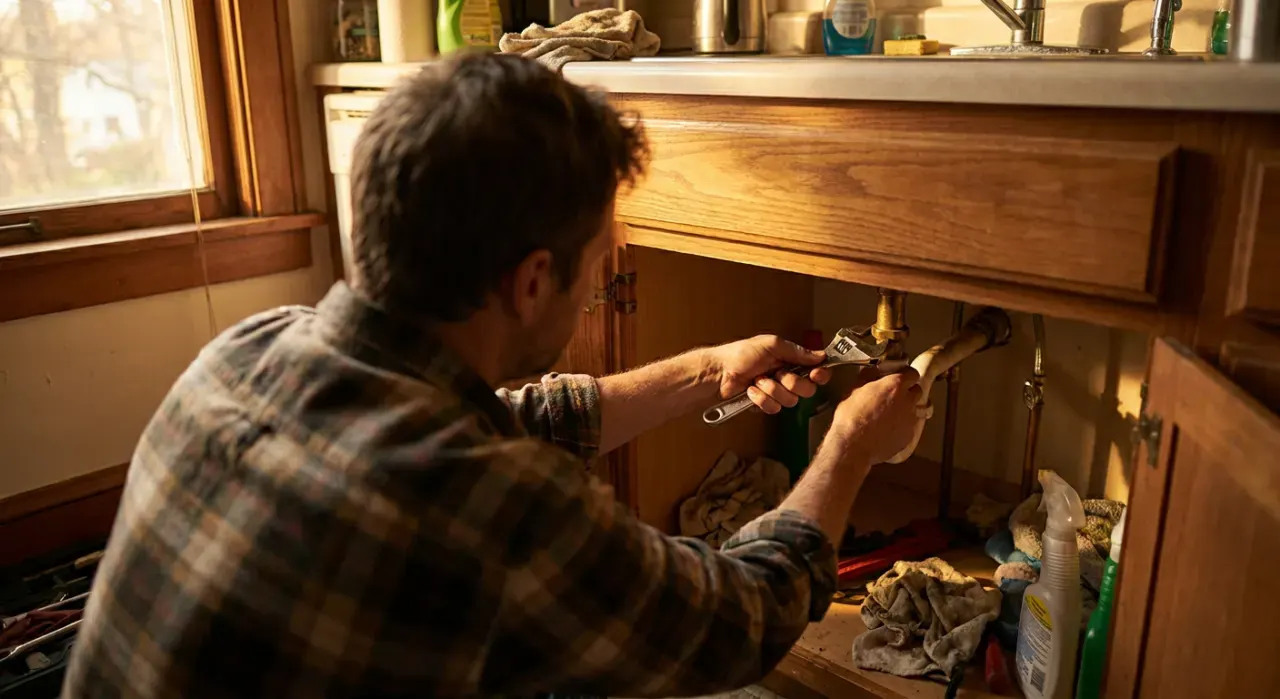
Run this sequence — it takes ten minutes and it decides whether you are buying a drain snake or calling a plumber:
| Observation | Most likely cause | Next step |
|---|---|---|
| Only the laundry drain gurgles; everything else is normal | Standpipe height, hose depth, or a local vent | Check the standpipe setup below |
| Water backs up out of the standpipe during discharge | Partial blockage in the laundry branch — lint and detergent scum | Snake the branch line |
| A nearby sink or tub gurgles when the washer drains | Shared vent blocked, or partial blockage in a shared branch | Clear the vent stack, then snake |
| Toilet bubbles, or multiple fixtures gurgle | Main line partly blocked — often roots | Camera inspection; call a licensed plumber |
| Gurgling plus sewer smell | A trap has been siphoned dry | Refill the trap, then fix the venting |
| Started after a roof or gutter job, or in fall | Vent stack blocked by debris, a nest or ice | Flush the stack from the roof with a hose |
Is the standpipe installed correctly?
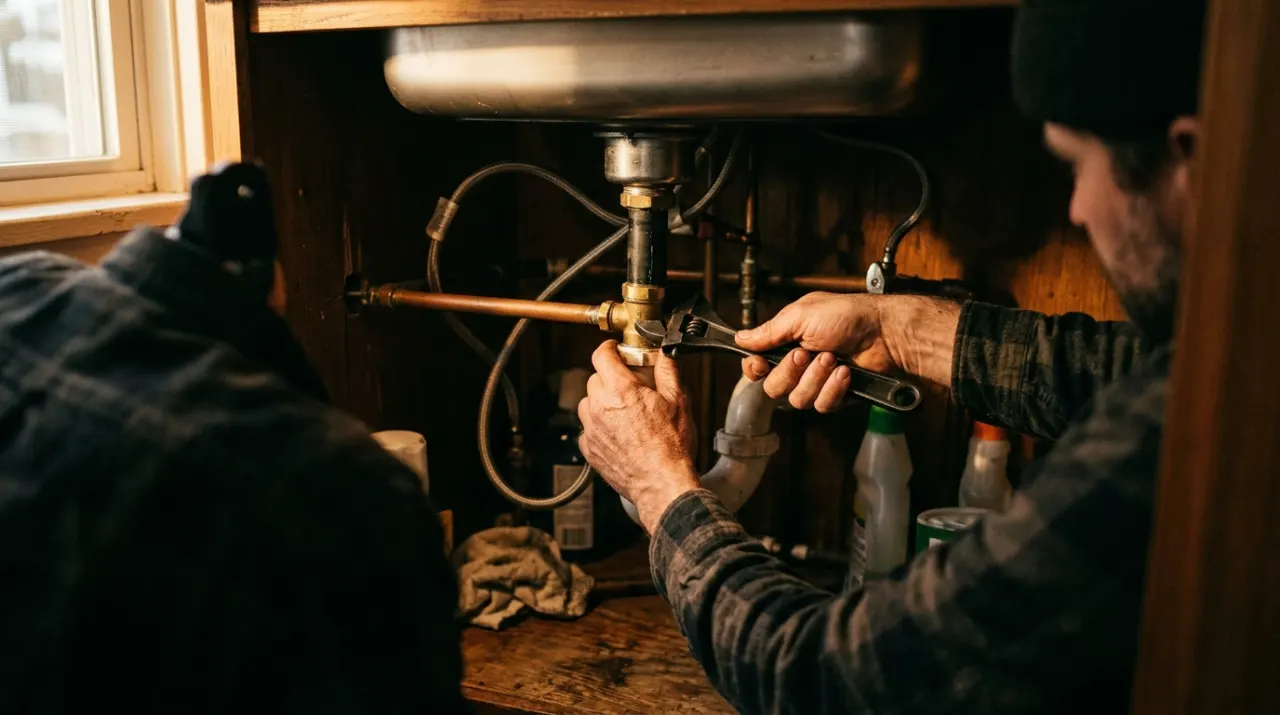
This is where a surprising number of laundry gurgles start, especially in finished basements and DIY installations. The general US pattern under commonly adopted codes:
- Diameter of 2 inches for the standpipe and trap. A 1.5-inch standpipe cannot swallow a modern washer's discharge rate and will gurgle and back up. Older homes are full of them.
- Height of at least 18 inches above the trap weir, and generally not more than 30 to 42 inches depending on which code your jurisdiction has adopted. Too short and it overflows; too tall and the head of water can siphon the trap.
- Trap 6 to 18 inches above the floor, and one trap only — no double-trapping into a laundry sink that already has its own.
- The hose sits loosely in the standpipe, hooked over the rim, never pushed down to the trap and never sealed with tape. The gap is what lets air in.
The International Plumbing Code and the Uniform Plumbing Code differ on the exact maximums, and local amendments differ again, so confirm the numbers with your local building department before altering anything. Changing standpipe or trap piping is permitted work in most jurisdictions.
What if it is the vent?
Start at the roof. Vent stacks block with leaves, tennis balls, bird and wasp nests, and in northern winters with frost that builds at the opening — a gurgle that appears only during cold snaps is almost always frost closure. Running a garden hose down the stack clears most debris, provided you can safely reach the roof; if you cannot, this is a routine and inexpensive plumber call.
Where the laundry is far from the main stack and has no vent at all — a common shortcut in converted basements and garages — the code-compliant fix is a properly vented branch, and the pragmatic alternative in jurisdictions that permit it is an ASSE 1051 air admittance valve installed above the trap arm and above the flood rim, with access left for service. AAVs are accepted in many places and prohibited in others; ask before you buy.
When do you stop and call a plumber?
When more than one fixture is affected, when a toilet bubbles, when any drain backs up, or when you get sewer odor that refilling the trap does not cure. Those all point at the main line or at venting inside walls, and both are jobs where an incorrect DIY fix hides the symptom while the problem gets worse. Rates are covered in how much a plumber charges per hour.
For the branch-line clog case, the tool that clears it is in best drain snake, with the wider kit in best plumbing tools. Related: what causes water hammer in pipes, the other noise a washing machine makes, and what psi home water pressure should be.