 Garden
Affiliate Disclosure
Some links on this page are affiliate links. As an Amazon Associate, we earn from qualifying purchases — at no extra cost to you. We do not buy, test, or physically handle the products we cover; our rankings come from aggregated owner reviews, ratings and expert consensus. Commissions never change our verdicts. How we rank · full disclosure.
Snaking a clogged drain is a DIY job when a plunger and a clean trap have not worked — about 30 minutes, $20 to $50 for a hand auger, no permit. A drain snake reaches 15 to 25 feet down the line to break through or hook out a clog. You feed the cable in, crank it through the blockage, and withdraw it slowly, then flush with hot water. The job stays DIY for branch-line clogs; if the cable runs out and multiple fixtures back up, the clog is in the main line and that is a pro's powered auger.
We never buy, test or physically handle the products we rank; recommendations come from aggregated owner reviews and expert consensus, described in how we rank. More at the DIY plumbing hub.
Tools and materials
- The right auger: a 25-foot hand-crank drum auger for sinks, tubs and showers; a closet auger for toilets. Ranked in best drain snake.
- A bucket, towels, rubber gloves and eye protection.
- A plunger to try first — see our ranked plunger picks.
- Access to the trap; basic hand tools from a plumbing kit.
Step 1: Choose your access point
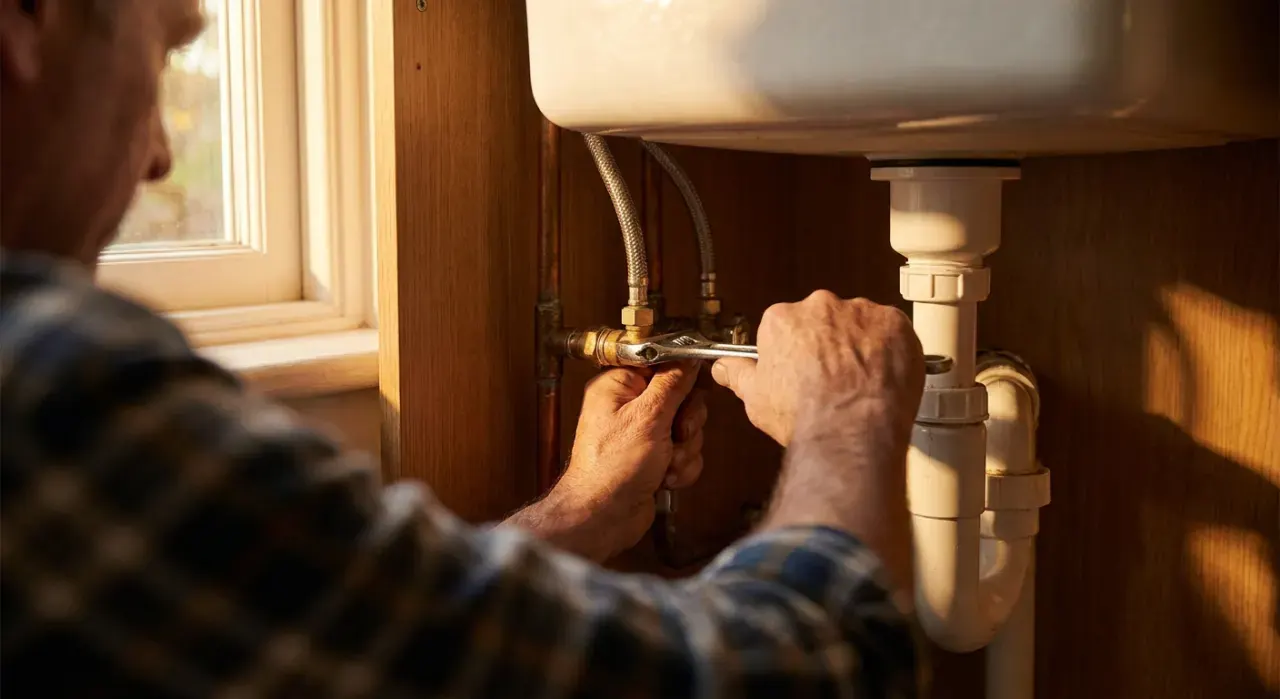
Decide where to feed the cable. For a sink, the cleanest access is to remove the P-trap and feed the snake directly into the wall stub (the trap arm) — this skips the tight bends of the drain opening. For a tub, feed through the overflow opening after removing the cover plate. For a toilet, use a closet auger through the bowl. Put a bucket under any trap you open.
Step 2: Feed the cable in
Push the cable end into the opening and feed it in by hand until you feel resistance. Keep the drum close to the opening — a foot or so — so the exposed cable cannot whip or kink. Feed slowly; you are looking for the point where the cable meets the clog, which registers as a firm stop.
Step 3: Work through the clog
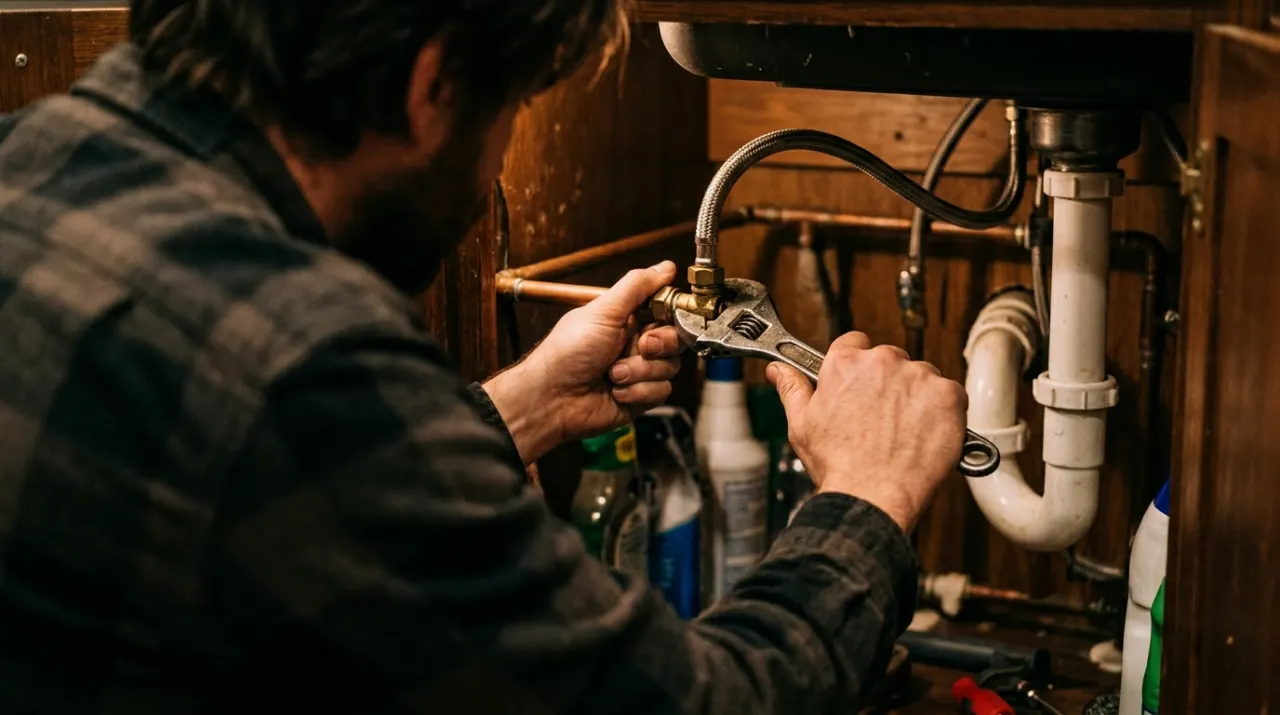
Lock the cable with the drum's set screw and crank the handle clockwise while applying gentle forward pressure. The rotating tip either bores through a soft clog or hooks a solid one. Let the rotation do the work — do not ram the cable. If it binds, back off slightly and re-advance. Work the clog until the cable moves freely past it, a sign you have broken through.
Step 4: Retrieve the cable
Withdraw the cable slowly, still turning the handle, so anything you hooked comes back with it rather than dropping off. Have the bucket and towels ready — the cable comes out dirty. Wipe it down as you wind it back onto the drum so debris does not pack the drum.
Step 5: Flush and reassemble
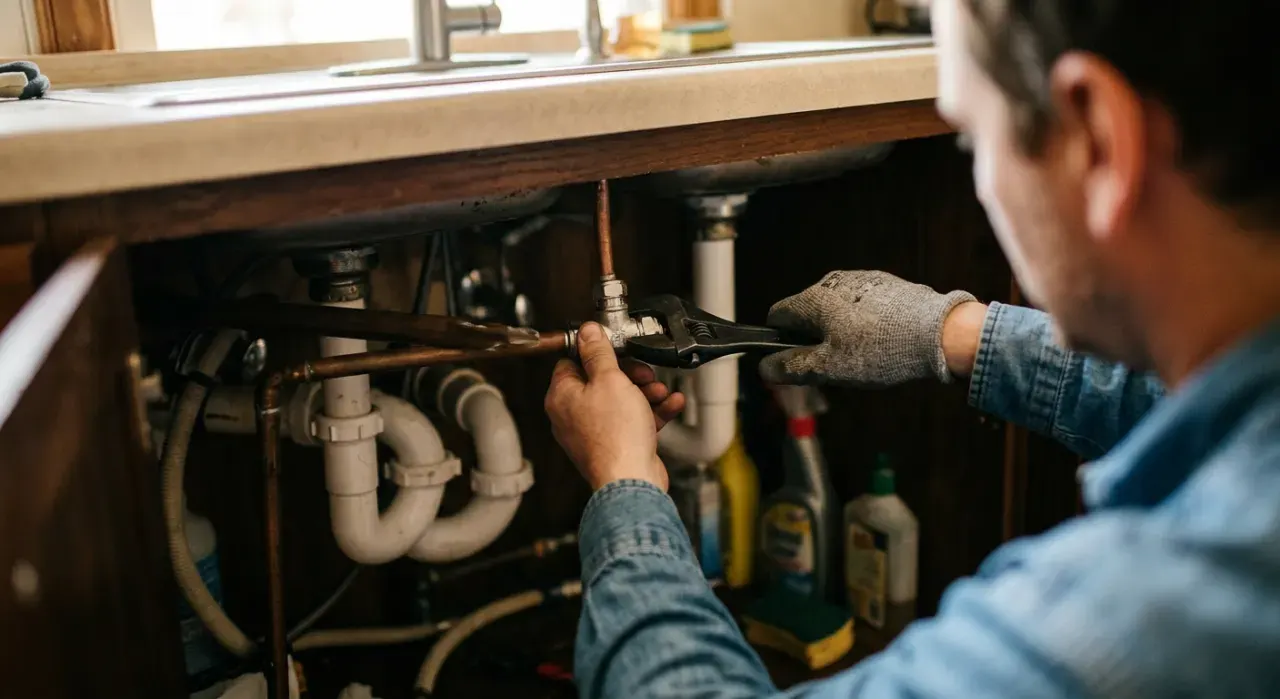
Reconnect the trap or overflow plate. Run hot water hard for a minute or two to flush the loosened debris down the line. A grease clog often needs a second pass and more hot water — the first pass bores a hole that re-closes. If the drain now runs freely, you are done; if it is still slow, snake again or reconsider the location of the clog.
Common mistakes
- Using a drum-auger cable in a toilet, scratching the porcelain — use a closet auger.
- Forcing the cable and puncturing an old pipe or damaging a fitting.
- Letting too much cable out of the drum, so it whips and kinks.
- Not flushing with hot water afterward, leaving loosened debris to re-clog.
When to call a plumber
Call a pro if you have fed the full length of a homeowner snake with no clog reached, if multiple fixtures back up together (a main-line blockage), if water rises in the tub when you flush the toilet, or if you meet a hard immovable stop that could be a collapsed or root-invaded pipe. Those need a powered auger, a camera inspection, or excavation — well beyond a hand snake. There is no permit for clearing a drain, but main-line repairs are a different matter.
Related: how to clear a clogged kitchen sink, how to unclog a bathtub drain, and how to replace a P-trap.