 Garden

Affiliate Disclosure
Some links on this page are affiliate links. As an Amazon Associate, we earn from qualifying purchases — at no extra cost to you. We do not buy, test, or physically handle the products we cover; our rankings come from aggregated owner reviews, ratings and expert consensus. Commissions never change our verdicts. How we rank · full disclosure.
A running toilet is almost always one of three things: the flapper is not sealing, the water level is set too high and spilling into the overflow tube, or the fill valve has failed. Take the tank lid off and look. Water trickling into the bowl means the flapper. Water pouring into the open center tube means the level or the fill valve. Both fixes are 10 to 20 minutes and cost $6 to $25 in parts. The EPA puts a leaking toilet at up to 200 gallons a day, so it is worth doing today.
We never buy, test or physically handle the products we rank; recommendations come from aggregated owner reviews and expert consensus, described in how we rank. More at the DIY plumbing hub.
How do you tell which part is at fault?
Two tests settle it. First, look at the overflow tube — the open vertical pipe in the middle of the tank. If water is running over its rim, the tank is overfilling, which means the float is set too high or the fill valve is not shutting off. The water level should sit about one inch below the top of that tube, and most tanks have a molded line.
If the overflow tube is dry, run the dye test: put a few drops of food coloring or a dye tablet in the tank, then leave the toilet unflushed for 15 to 20 minutes. Color appearing in the bowl means water is passing the flapper. No color means the leak is elsewhere — check the tank-to-bowl bolts and the gasket between tank and bowl.
| Symptom | Most likely cause | Part | Cost |
|---|---|---|---|
| Constant trickle into the bowl, dye test positive | Flapper not sealing, or scaled valve seat | Flapper | $6–$12 |
| Water running into the overflow tube | Water level too high | Float adjustment (free) | $0 |
| Overflow running and float adjustment does nothing | Fill valve failed | Universal fill valve | $12–$25 |
| Refills briefly every 15–30 minutes | Slow flapper leak | Flapper | $6–$12 |
| Runs only after a flush, then stops | Chain too long or caught under flapper | Adjust chain | $0 |
| Hissing or shuddering during refill | Fill valve diaphragm worn | Fill valve | $12–$25 |
| Water on the floor behind the bowl | Tank-to-bowl gasket or supply line | Gasket kit | $10–$20 |
How do you replace a flapper?
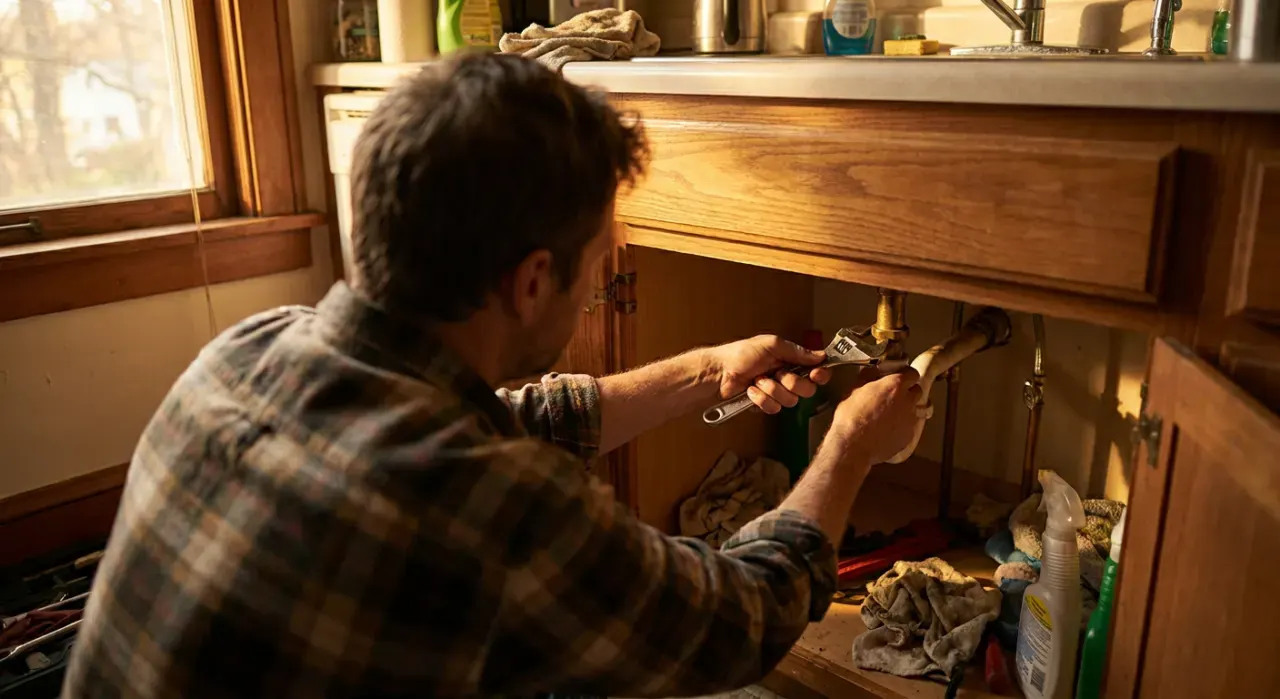
Shut the supply valve behind the toilet, flush to empty the tank, and unhook the old flapper from the two pegs on the overflow tube and from the chain. Before fitting the new one, run a finger around the flush valve seat — the plastic or brass ring the flapper lands on. If it feels gritty or crusted, wipe it clean with a cloth or a plastic scrubber; mineral buildup there is why new flappers sometimes still leak. Fit the replacement, set the chain with about half an inch of slack, turn the water back on and test.
Buy the flapper by matching it: take the old one to the store, or note the toilet brand and the flush valve diameter, which is either 2 inches (older, more common) or 3 inches (many post-2005 models). A 2-inch flapper on a 3-inch valve will not seal, and this is the single most common reason a replacement fails to fix the problem.
How do you adjust or replace the fill valve?
Adjusting depends on the type. A modern cup-style valve has a clip on a metal rod or a screw on top of the valve — squeeze or turn it to lower the float until the water settles about an inch below the overflow tube. An older ball-and-arm float has a screw at the pivot, or on very old ones you gently bend the brass arm downward.
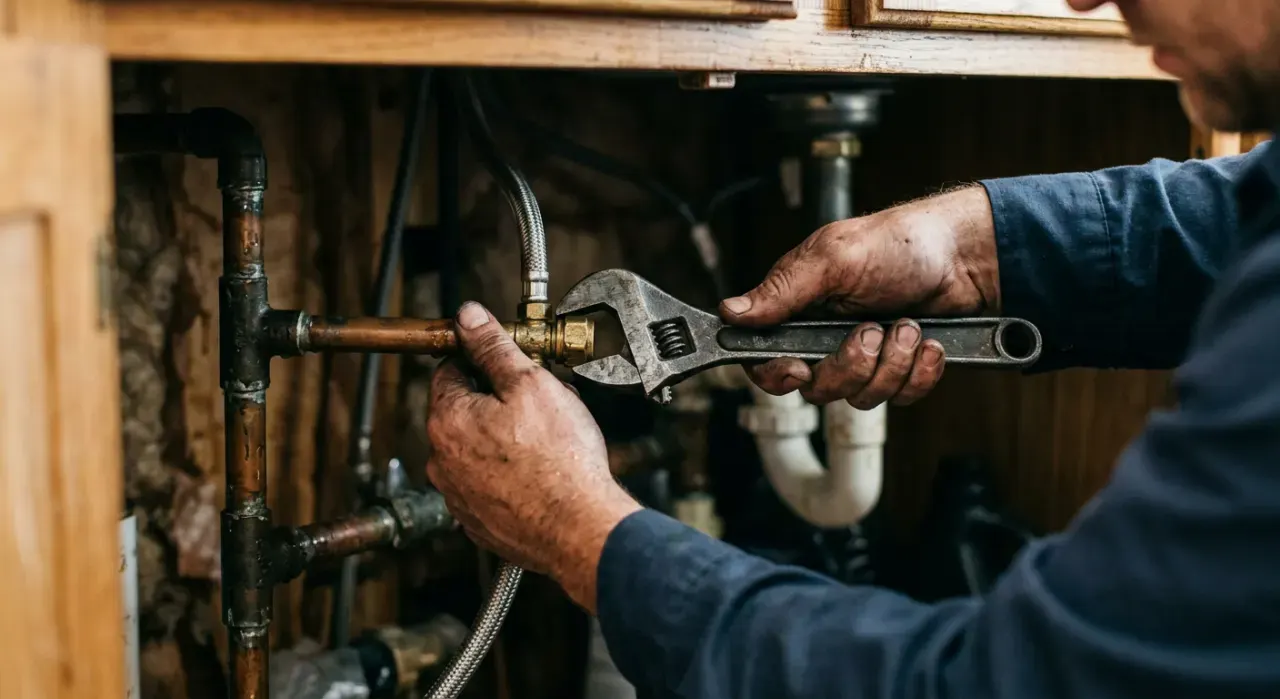
Replacing takes about 20 minutes. Shut the supply, flush, sponge out the last inch of water, disconnect the supply line, undo the locknut underneath the tank, lift the old valve out, set the new one to the correct height for your tank before installing, and reverse. Universal fill valves fit almost every US toilet made in the last 40 years. While the supply is off, this is the natural moment to fit a new braided supply line and, if the shutoff is an old multi-turn stop, a quarter-turn valve.
When is it not a DIY job?
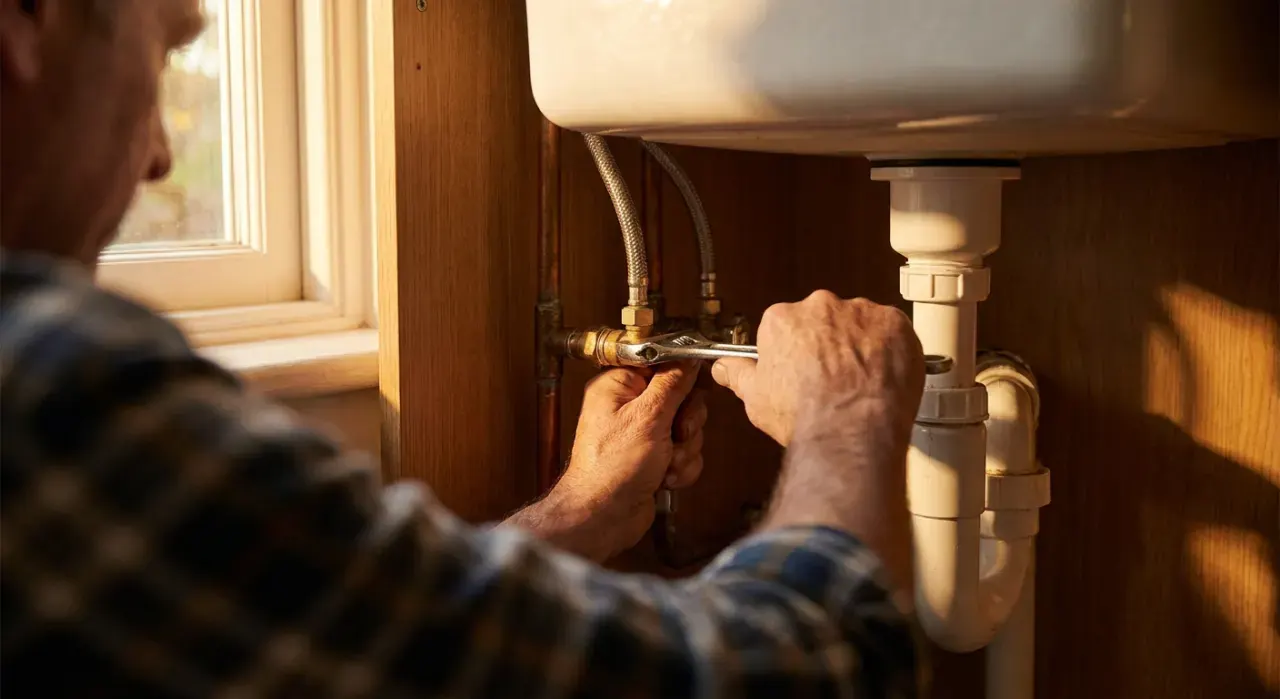
Call a plumber if water is coming from between the tank and bowl and new bolts and gasket do not stop it, if the toilet rocks or the floor around it feels soft, or if you find a hairline crack in the china — a cracked tank is not repairable and the failure mode is the whole tank of water on the floor at once. Rates are in how much a plumber charges per hour, and if replacement is the answer, how much it costs to replace a toilet.
Related: best toilet plunger for the other common toilet problem, and what psi home water pressure should be — pressure above 80 psi shortens the life of every fill valve and flapper in the house.