 Garden

Affiliate Disclosure
Some links on this page are affiliate links. As an Amazon Associate, we earn from qualifying purchases — at no extra cost to you. We do not buy, test, or physically handle the products we cover; our rankings come from aggregated owner reviews, ratings and expert consensus. Commissions never change our verdicts. How we rank · full disclosure.
The short answer: to winterize an outdoor faucet, disconnect and drain any garden hose, shut off the interior valve that feeds the faucet (if you have one), open the outdoor faucet to let the trapped water drain out, leave it open or reclose it once empty, and fit an insulated faucet cover. Do this before the first hard freeze. The most important step by far is disconnecting the hose — a connected hose traps water against the faucet, and when it freezes and expands it can crack the pipe behind the wall.
Frozen pipes are a leading cause of winter home damage, and outdoor faucets are the most exposed point in the system. A burst that happens inside the wall can flood a room and run into thousands of dollars in repairs, so a few minutes each fall is cheap insurance.
When to winterize outdoor faucets
Timing matters. Winterize before the first hard freeze — generally when overnight lows begin reaching the high 20s Fahrenheit, or within a few weeks of your area's average first frost date. Waiting for a freeze warning is cutting it too fine.
- Disconnect hoses the moment you finish with them for the season, well ahead of the rest.
- Complete the full winterization before the first sustained freeze.
- Colder zones (USDA 3–5) should winterize earlier than milder zones (7–9).
Know which faucet type you have
| Type | How it works | Freeze risk |
|---|---|---|
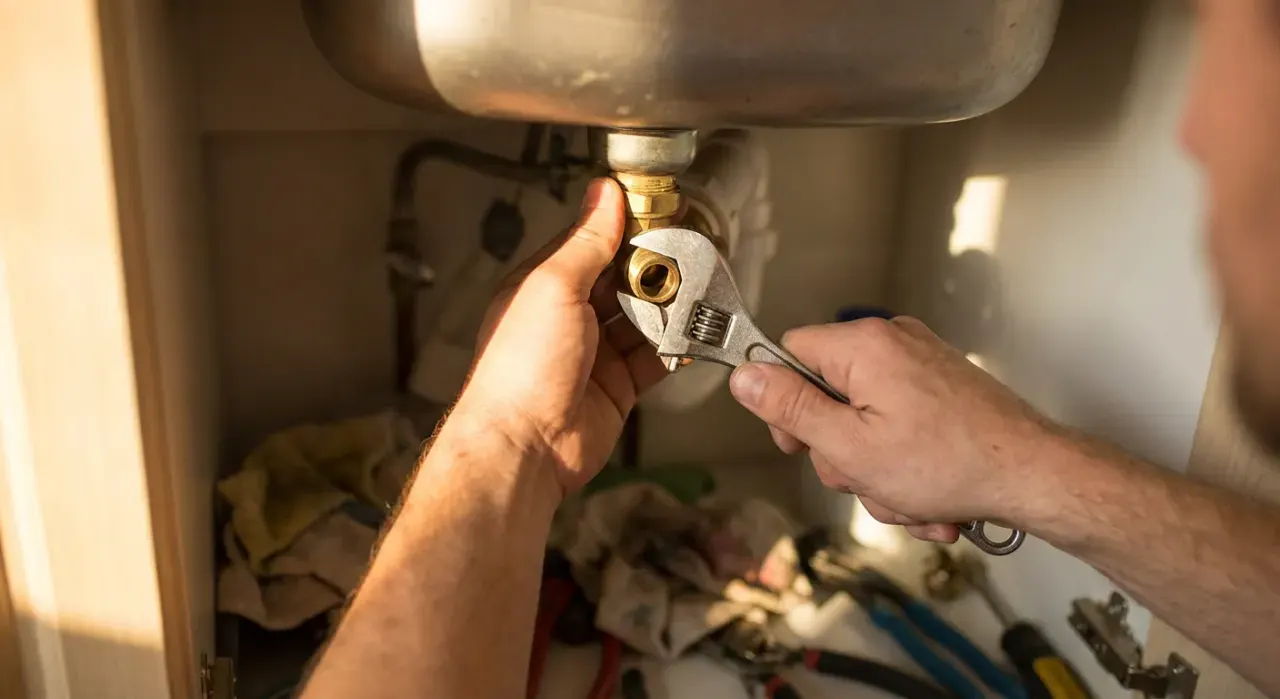
| Frost-free (freeze-proof) | Long stem; shutoff sits deep in the warm wall, exposed portion drains | Low — unless a hose is left attached |
| Regular (compression) | Shuts off at the spigot; water sits in the exposed pipe | High — needs draining every fall |
A frost-free faucet points slightly downward and has a longer body reaching into the house. Even a frost-free faucet bursts if a hose blocks it from draining, so the hose rule applies to both types.
The steps to winterize outdoor faucets
- Disconnect the garden hose. Drain it completely and store it coiled indoors or in a shed — freezing splits hoses too.
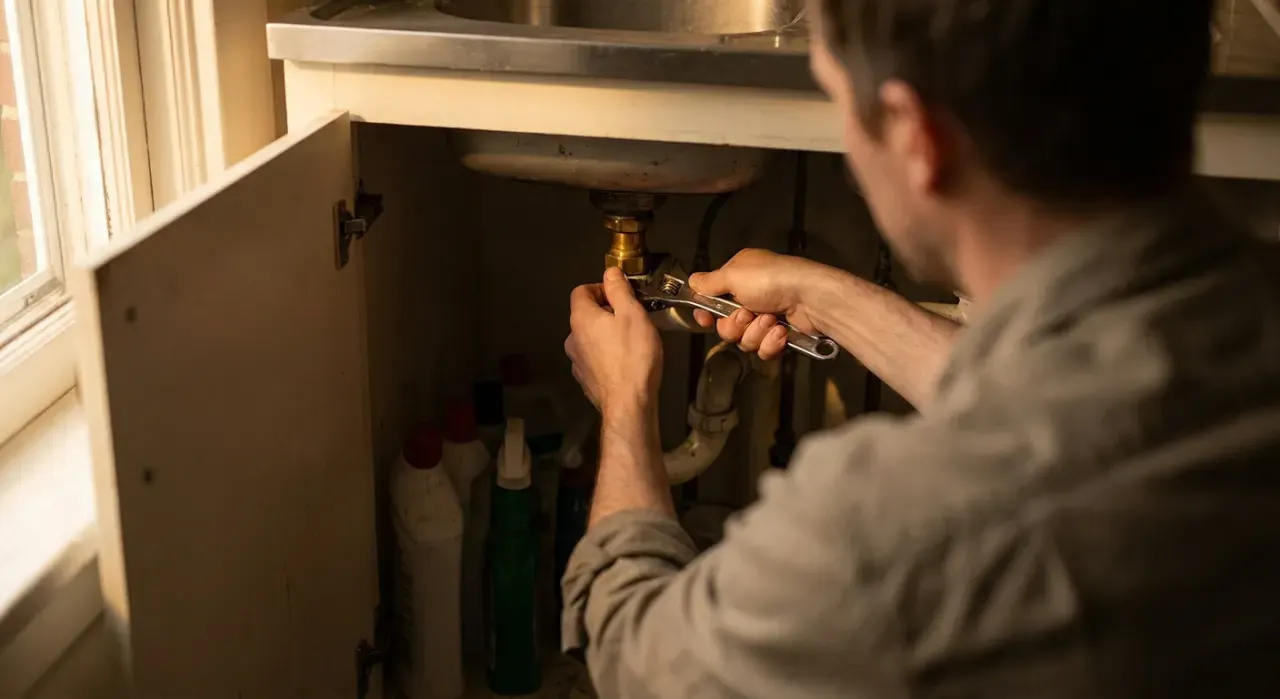
- Find and close the interior shutoff valve that feeds the outdoor faucet, if you have one (often in the basement, crawl space, or utility area). Turn it clockwise to close.
- Open the outdoor faucet fully and let the water between the closed interior valve and the spigot drain out.
- Open the bleeder cap on the interior shutoff valve if it has one (a small cap on the side) to drain the last of the water into a bucket, then re-close it.
- Leave the outdoor faucet open over winter, or close it once fully drained — either way no water should remain to freeze.
- Fit an insulated faucet cover over the spigot for extra protection against wind chill.
If you have no interior shutoff, a frost-free faucet with the hose removed is your main defense, and it is worth having a plumber add an interior shutoff — see how to replace a water shut-off valve.
Outdoor faucet covers and extra protection
An insulated faucet cover (a foam dome or pouch that clips over the spigot) traps residual heat from the pipe and blocks wind. It is cheap and quick, and for regular faucets or unheated exterior walls it adds a useful safety margin.
- Insulated faucet cover: the standard add-on, a few dollars each.
- Pipe insulation sleeves: wrap any exposed pipe leading to the faucet.
- Heat cable (heat tape): for faucets or pipes in especially cold, exposed spots — follow the manufacturer's safety instructions.
Do not forget the rest of the outdoor plumbing
Outdoor faucets are one piece. Winterize the whole exterior water system while you are at it.
| System | Winterizing action |
|---|---|
| Irrigation / sprinkler system | Shut off and blow out or drain the lines; drain the backflow preventer |
| Garden hoses | Drain, coil, and store indoors |
| Rain barrels | Drain and disconnect |
| Pool / spa | Follow the manufacturer's winterizing procedure |
For sprinkler systems, blowing out the lines with compressed air (or having an irrigation pro do it) prevents cracked heads and valves.
If a pipe does freeze or burst
Despite precautions, a hard cold snap can still freeze a line. Act fast.
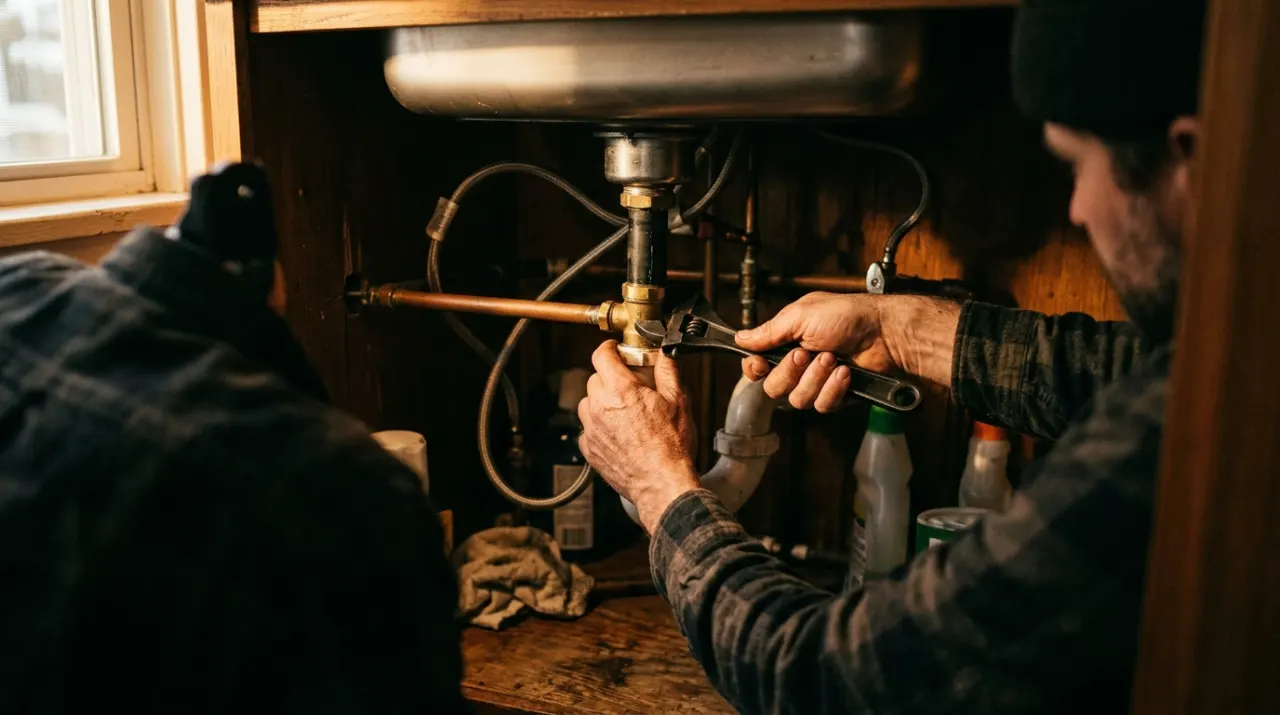
- If a faucet will not flow in a freeze, the pipe may be frozen — see how to thaw frozen pipes to thaw it safely before it bursts.
- If a pipe bursts, shut off the main water to the house immediately to limit flooding, then call a plumber.
- Know your freeze threshold: at what outdoor temperature do pipes freeze covers the danger zone, and how long a pipe can stay frozen before failure.
How cold is cold enough to worry
Pipes do not freeze the instant the temperature dips below 32 degrees Fahrenheit — it takes sustained cold and depends on exposure and insulation. Knowing the threshold helps you judge urgency.
| Condition | Freeze risk to outdoor faucets |
|---|---|
| Above 32 F | No freeze risk |
| 20–32 F for a few hours | Low for insulated/frost-free; disconnect hoses |
| Around 20 F sustained overnight | Real risk for exposed and regular faucets — the commonly cited alert point |
| Below 20 F or a prolonged cold snap | High risk; winterize fully and consider heat cable |
An outdoor faucet is more exposed than interior plumbing, so it freezes sooner than a pipe inside a heated wall. Wind chill and a north-facing, unshaded wall raise the risk further. When in doubt, winterize — there is no downside to draining a faucet you will not use until spring.
One more habit protects you between hard freezes: on any night an unexpected cold snap catches you before you have fully winterized, disconnect the hose and, if the faucet is a regular compression type, let it drip slightly overnight. Moving water is far harder to freeze than still water, so a slow drip buys you protection until you can drain the line properly. It is a stopgap, not a substitute for full winterization, but it can prevent a burst on a night you were not ready.
Fall checklist
- Disconnect and store all garden hoses.
- Close the interior shutoff valve for each outdoor faucet.
- Open the outdoor faucets to drain them.
- Bleed the interior valve if it has a bleeder cap.
- Fit insulated faucet covers.
- Winterize irrigation, rain barrels, and the pool.
How we evaluate faucet covers, insulation, and plumbing tools — from aggregated owner reviews and expert consensus rather than first-hand testing — is set out in how we rank. For every seasonal and repair task, the DIY plumbing hub has the full set of guides and picks, including the plumbing tools worth owning.