 Garden

Affiliate Disclosure
Some links on this page are affiliate links. As an Amazon Associate, we earn from qualifying purchases — at no extra cost to you. We do not buy, test, or physically handle the products we cover; our rankings come from aggregated owner reviews, ratings and expert consensus. Commissions never change our verdicts. How we rank · full disclosure.
Yes, potatoes grow well in fabric grow bags, and a 10-gallon bag is the practical minimum. Plant two or three seed potato pieces per 10-gallon bag, or four to five in a 15-gallon, and expect roughly 2 to 5 pounds of harvest per bag in 90 to 110 days depending on variety. The technique that matters is hilling: fill the bag only a third full at planting, then add mix as the stems grow, because tubers form along the buried stem rather than on the roots. Growers who skip that step get a fraction of the yield.
How many seed potatoes go in each bag size?
| Bag size | Seed pieces | Typical yield |
|---|---|---|
| 5 gallon | 1 | 1–2 lb |
| 7 gallon | 1–2 | 2–3 lb |
| 10 gallon | 2–3 | 3–5 lb |
| 15 gallon | 4–5 | 5–8 lb |
| 20–25 gallon | 5–6 | 7–10 lb |
Crowding costs you here the same way it does with tomatoes. Six seed pieces in a 10-gallon bag produce a dense mat of foliage and a crop of marble-sized tubers, because the total tuber mass a bag can carry is limited by volume and available nutrients, not by the number of plants competing for it.
What is the actual planting sequence?
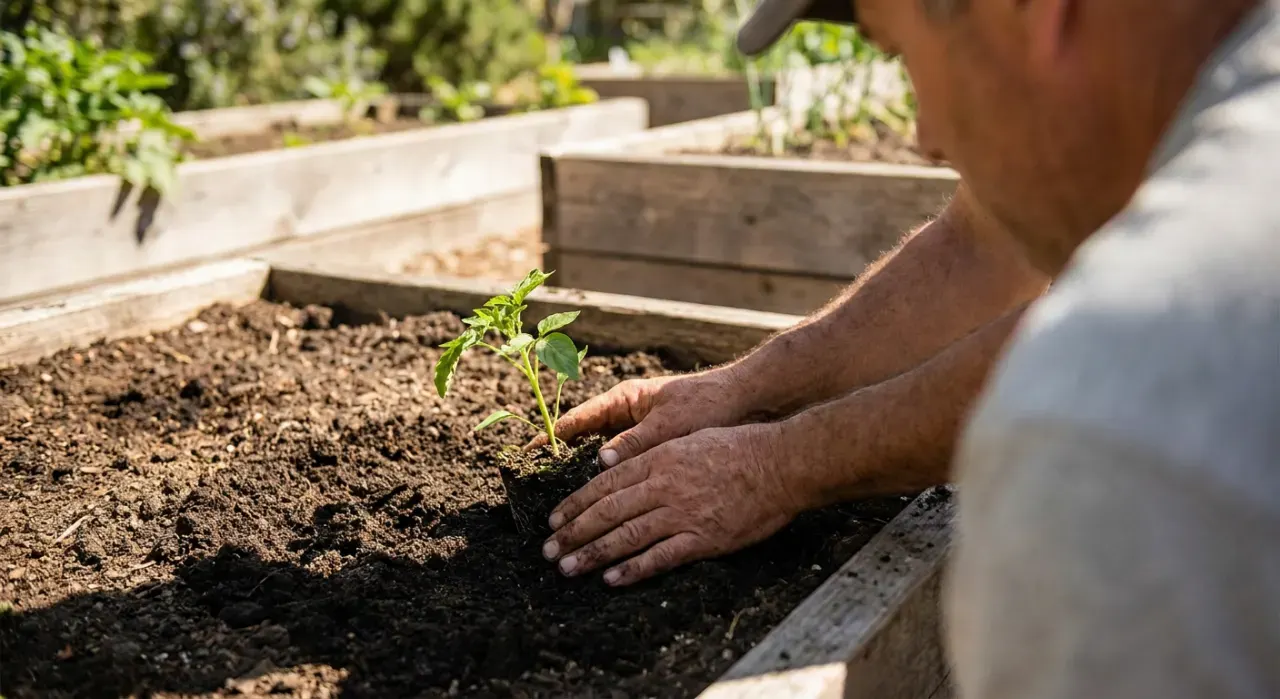
- Chit the seed potatoes. Set certified seed potatoes in a bright, cool room, eyes up, for two to four weeks until short green sprouts appear. Certified seed matters: grocery store potatoes are often treated with a sprout inhibitor and can carry disease.
- Cut and cure. Pieces larger than a hen egg can be halved so each piece has two or three eyes. Leave the cut faces open to the air for 24 to 48 hours to callus over, which prevents rot.
- Fill a third. Put 4 inches of mix in the bag, set the pieces cut side down and 6 inches apart, and cover with 3 inches more. Roll the sides of the bag down to the soil line so the surface gets full sun and warms.
- Hill three or four times. Each time the shoots reach 6 to 8 inches, unroll the bag and add mix, leaving only the top few inches of leaf exposed. Stop when the bag is full, usually by early July.
- Water consistently. Roughly an inch a week, and never let the bag go bone dry during the two to four weeks after flowering when tubers bulk.
When do you plant, by climate?
Potatoes go in two to four weeks before the last expected frost date in your area, once the mix has warmed to about 45°F. The advantage of a bag is that it warms faster than open ground and can be dragged into a garage or against a house wall on a cold night, which is worth about a two-week head start in the North. In the South and the low desert, potatoes are a winter and early spring crop, planted from December through February, because tuber formation stalls once soil temperature climbs past roughly 80°F.
What should the bag be filled with?
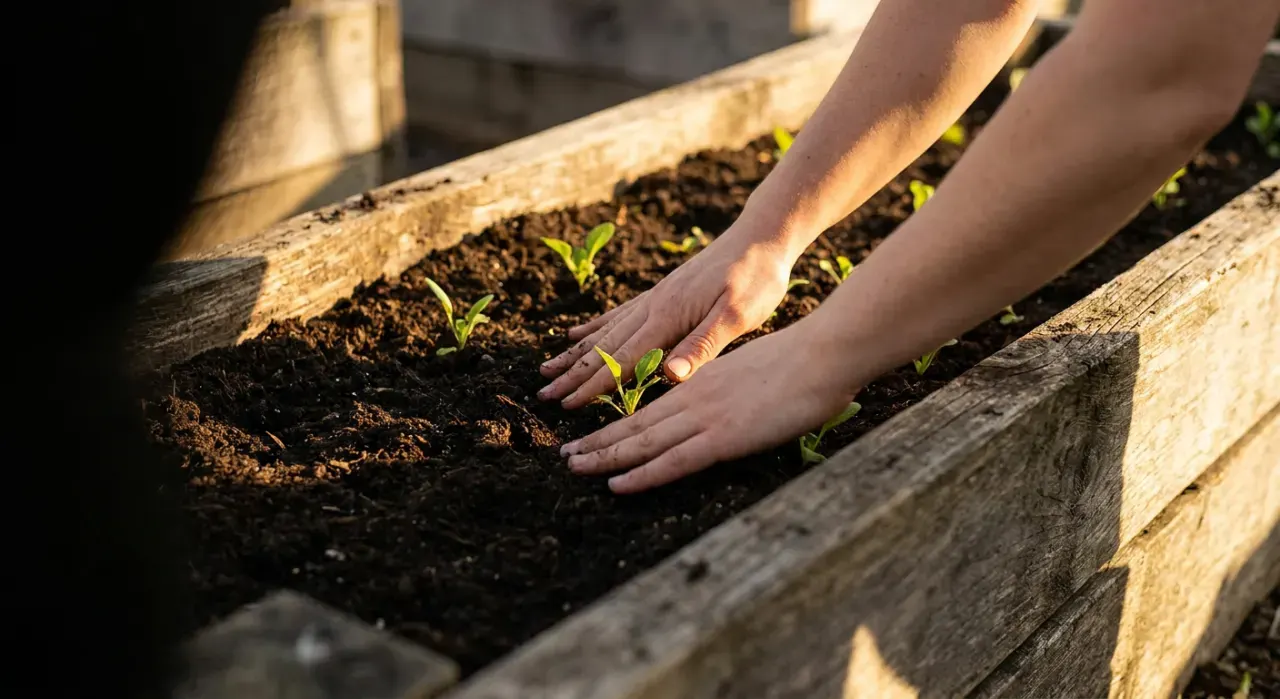
A light, well-draining container mix, never garden soil, which compacts into a dense block that suffocates a developing tuber and makes harvest a chore. A blend of roughly half good potting mix, a third finished compost, and the balance an aerating component such as pine bark fines works reliably. Keep nitrogen modest and favor a fertilizer with a higher middle and last number, because heavy nitrogen builds foliage instead of tubers. The full mix question is covered in what to fill grow bags with, and the per-bag numbers are in how many potatoes per grow bag.
Our best grow bags roundup covers which fabrics owners report standing up to a season of hilling and a heavy full-bag harvest, and grow bags versus plastic pots explains why the fabric usually wins for root crops.
We never buy, test or physically handle the products we rank. Recommendations come from aggregated owner reviews, star ratings, review volume and expert consensus — see how we rank.
More from this hub: Raised Beds & Planters · Best grow bags · How many potatoes per grow bag · Are grow bags reusable · How we rank