 Garden

Affiliate Disclosure
Some links on this page are affiliate links. As an Amazon Associate, we earn from qualifying purchases — at no extra cost to you. We do not buy, test, or physically handle the products we cover; our rankings come from aggregated owner reviews, ratings and expert consensus. Commissions never change our verdicts. How we rank · full disclosure.
Yes. A fabric grow bag is designed to be reused, and a mid-weight bag in the 200 to 300 GSM range will give you three to five seasons if you empty, rinse and dry it each fall. The routine takes about ten minutes per bag: tip out the mix, knock off the loose soil, rinse or wash below 120°F, air dry completely, fold flat and store out of the sun. Skip the drying step and you invite mildew stains and a stiff, salt-clogged weave. Skip the emptying step and winter freeze-thaw cycling costs you roughly a season of service life.
What is the end-of-season routine, step by step?
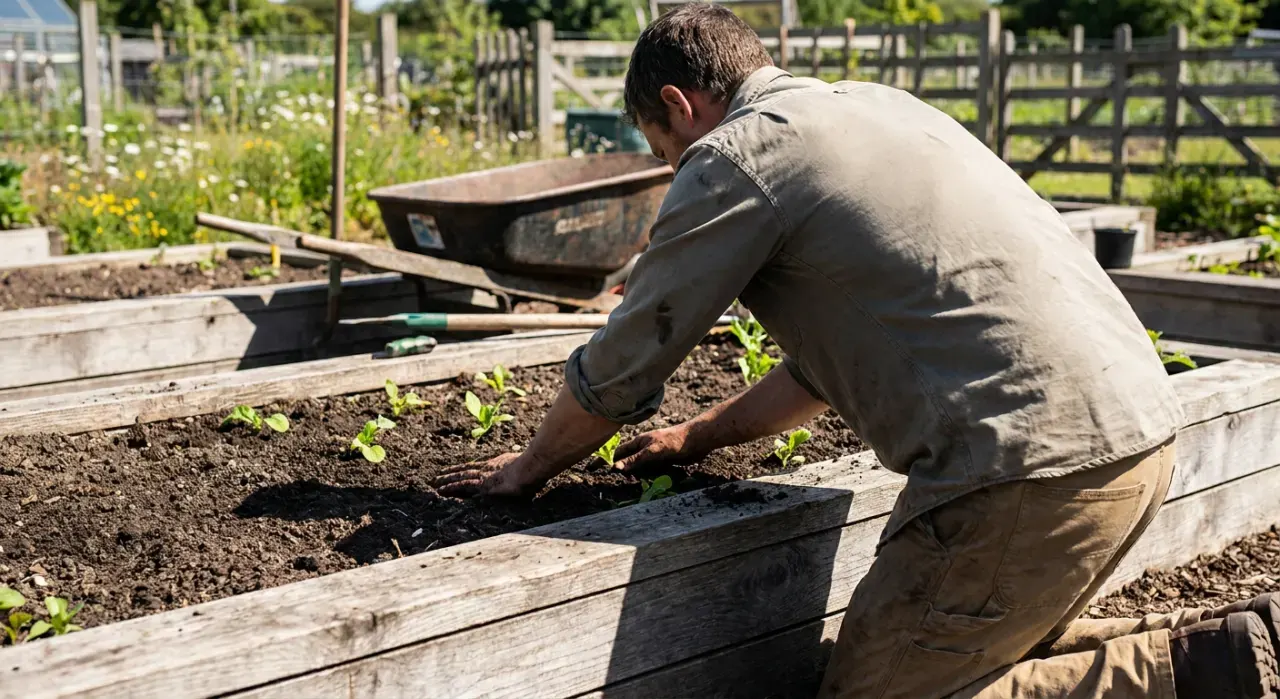
- Empty the bag onto a tarp. Pull the root ball out whole where you can. Old roots left in the mix decompose slowly and tie up nitrogen next spring.
- Brush the bag dry first. A stiff dry brush removes most of the soil in seconds. Hosing a soil-caked bag just makes mud that works deeper into the weave.
- Wash below 120°F. By hand in a tub, or in a machine on cold or warm. Mild detergent is optional; plain water handles most of it. No bleach unless the crop was diseased.
- Air dry completely, ideally in sun. Sunlight is a mild disinfectant and the fabric must be bone dry before it goes into storage or it will mildew.
- Fold flat and store indoors. A shed, garage or basement. Keeping them out of winter UV is the single biggest thing you can do for lifespan.
Why does the water temperature matter so much?
Because these bags are made of nonwoven polypropylene, a thermoplastic. Polypropylene softens at relatively low temperatures compared with cotton or polyester, which is why manufacturer care instructions for fabric pots consistently specify cool or warm washing and no machine drying. A hot wash or a dryer cycle can shrink the bag, distort the shape so it no longer stands upright when filled, and weaken the stitched seams. Cold or warm water with mechanical agitation removes soil perfectly well; heat adds nothing except risk.
When is reuse a bad idea?
| Last season the bag held | Reuse the bag? | Reuse the mix? |
|---|---|---|
| Healthy tomatoes or peppers | Yes, after rinsing | Yes, but not under another nightshade |
| A plant with wilt or blight | Yes, after a bleach soak | No — discard or compost hot |
| Root knot nematode | Yes, after a bleach soak | No |
| Potatoes | Yes | Not for potatoes or tomatoes |
| Herbs, lettuce, flowers | Yes | Yes, refreshed with compost |
| Fungus gnat infestation | Yes, after washing and drying | No — the larvae overwinter in it |
The rotation logic is the same one that applies to beds, and it is worth applying to containers even though people rarely do. The reasoning is in do you need to rotate crops in a raised bed.
What about the white crust on the outside?
That is mineral salt, deposited as water wicks through the fabric and evaporates, plus in shaded spots a thin green film of algae. Neither harms the plant, but heavy buildup does reduce the air exchange through the weave, which is the whole reason to use fabric rather than plastic. A stiff brush and a rinse take most of it off. For a bad case, a soak in a bucket of water with a cup of white vinegar dissolves the mineral crust, followed by a clean water rinse so no residue is left against roots next spring.
Is replacing them ever the better call?
Once seams start letting go, yes. Fabric that has gone brittle from years of sunlight will fail again a few inches from wherever you patch it, and a bag that splits while being lifted full of wet mix is a genuine mess. The service-life numbers by fabric weight are laid out in how long do fabric grow bags last, and if you are buying replacements, our best grow bags roundup ranks on the durability owners actually report over multiple seasons rather than on first-season impressions.
We never buy, test or physically handle the products we rank. Recommendations come from aggregated owner reviews, star ratings, review volume and expert consensus — see how we rank.
More from this hub: Raised Beds & Planters · Best grow bags · What to fill grow bags with · Grow bags vs plastic pots · How we rank