 Garden

Affiliate Disclosure
Some links on this page are affiliate links. As an Amazon Associate, we earn from qualifying purchases — at no extra cost to you. We do not buy, test, or physically handle the products we cover; our rankings come from aggregated owner reviews, ratings and expert consensus. Commissions never change our verdicts. How we rank · full disclosure.
Modern pressure-treated lumber is generally considered safe for vegetable beds, because it no longer contains arsenic. The old arsenic-based treatment, CCA (chromated copper arsenate), was phased out of residential lumber at the end of 2003: EPA records that manufacturers voluntarily discontinued CCA-treated wood products for homeowner uses in December 2003. Wood sold since 2004 uses copper-based preservatives — ACQ or micronized copper azole — that bind tightly in the wood and leach minimally, and studies find little uptake into produce. Some gardeners still prefer to avoid treated wood around food and line the walls with plastic; others choose naturally rot-resistant cedar, metal or composite instead.
Why the worry existed, and why it changed
The concern is real history, not myth. For decades, pressure-treated lumber was made with CCA, which contained arsenic, a genuine toxin, and there were legitimate questions about it leaching into garden soil and being taken up by food crops. That is why the caution persists in gardening lore. But the product changed: under a 2003 agreement with the EPA, manufacturers voluntarily stopped selling CCA-treated wood for residential uses, and by 2004 the lumber on store shelves had switched to copper-based preservatives with no arsenic. The wood you buy today is chemically a different material from the wood the original warnings were about — which is the key fact the old advice often misses.
Is the modern copper-based lumber safe?
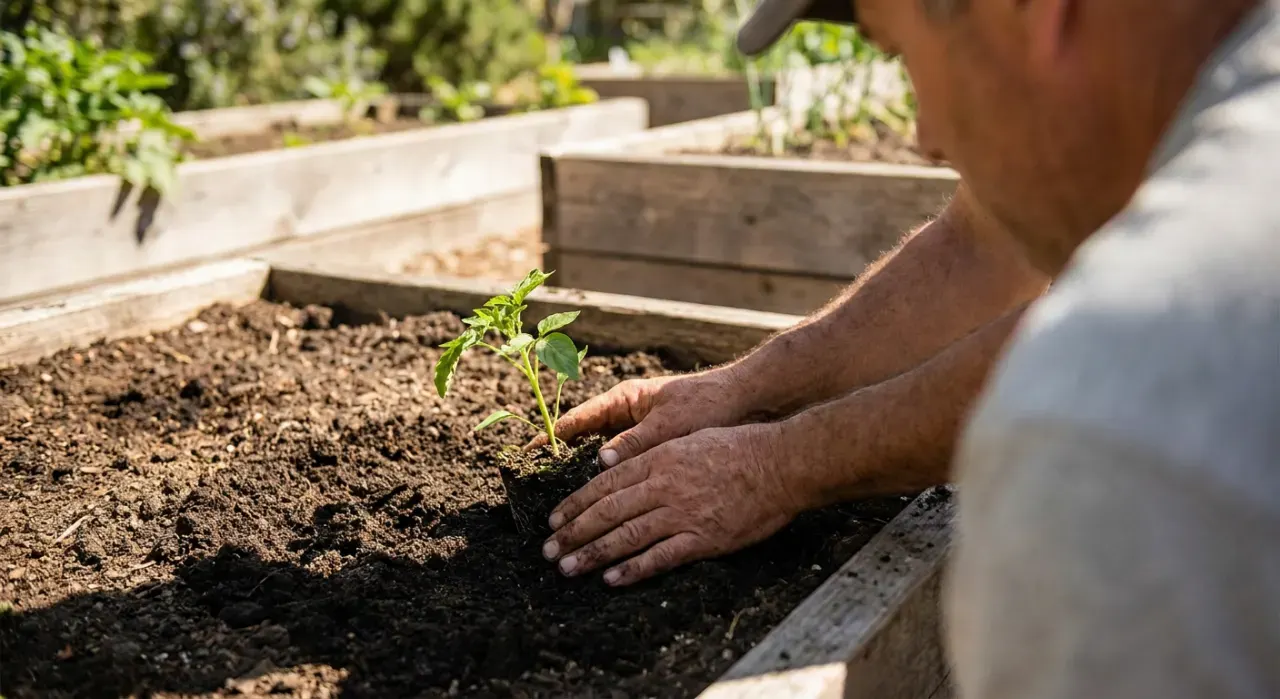
The consensus from extension services is that modern ACQ and MCA treated lumber is low-risk for vegetable gardening; Oregon State Extension reviews the question specifically for raised beds and identifies copper azole, micronized copper azole and alkaline copper quaternary as the preservatives on consumer lumber today. Copper is the active preservative, it binds tightly within the wood, and what little migrates stays close to the wood surface rather than spreading through the bed; research on produce grown near it finds minimal uptake. Copper is also far less concerning to humans than arsenic. That said, "low-risk" is not "zero," and gardeners vary in how cautious they want to be around food. Those who prefer an extra margin can line the inside walls, which removes soil-to-wood contact entirely — a reasonable belt-and-suspenders step, not a necessity.
What are the alternatives?
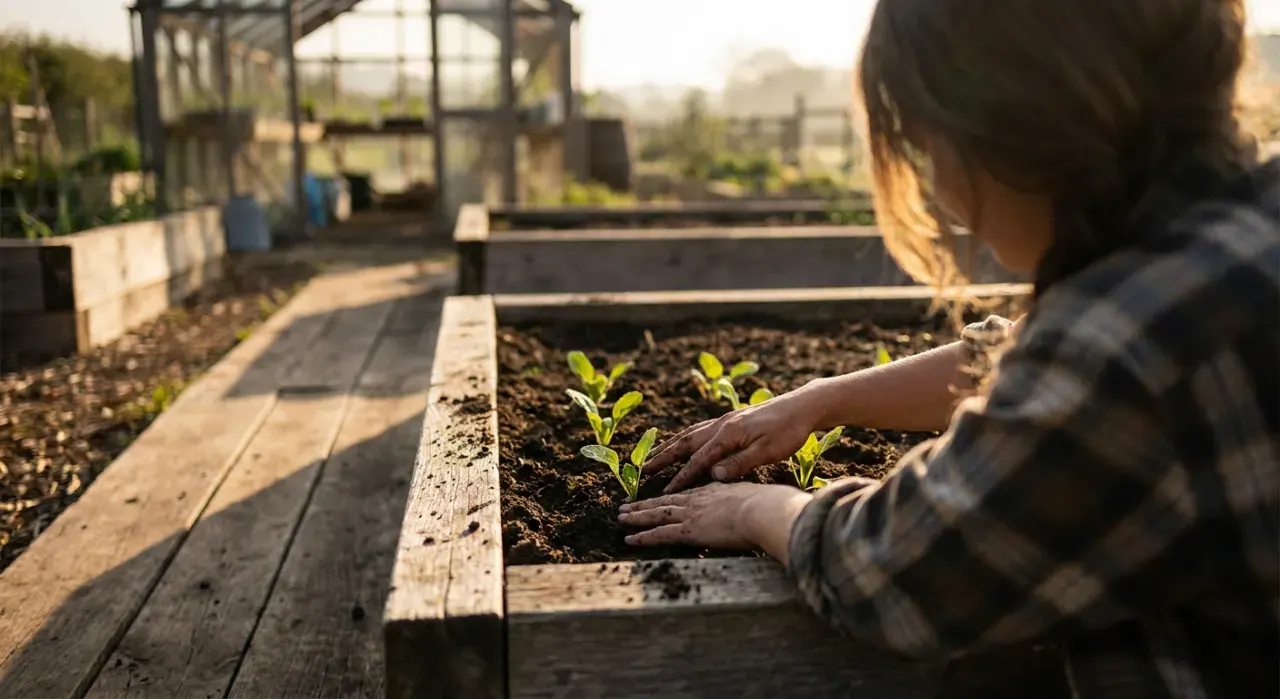
If you would rather sidestep the question, several materials do the job without any treatment chemistry — Oregon State Extension names cedar and redwood as the long-lasting, safe framing choice for edible beds.
| Material | Rot resistance | Notes |
|---|---|---|
| Cedar / redwood (untreated) | High, naturally | Popular food-safe choice; lasts years |
| Douglas fir / pine (untreated) | Low | Cheap but rots in a few years |
| Modern treated lumber (ACQ/MCA) | High | Low-risk; line walls for extra caution |
| Metal (galvanized, aluminum) | Very high | Avoids the wood question entirely |
| Composite lumber | Very high | No chemicals; higher cost |
| Old CCA wood / railroad ties | — | Avoid around food |
What to actually avoid
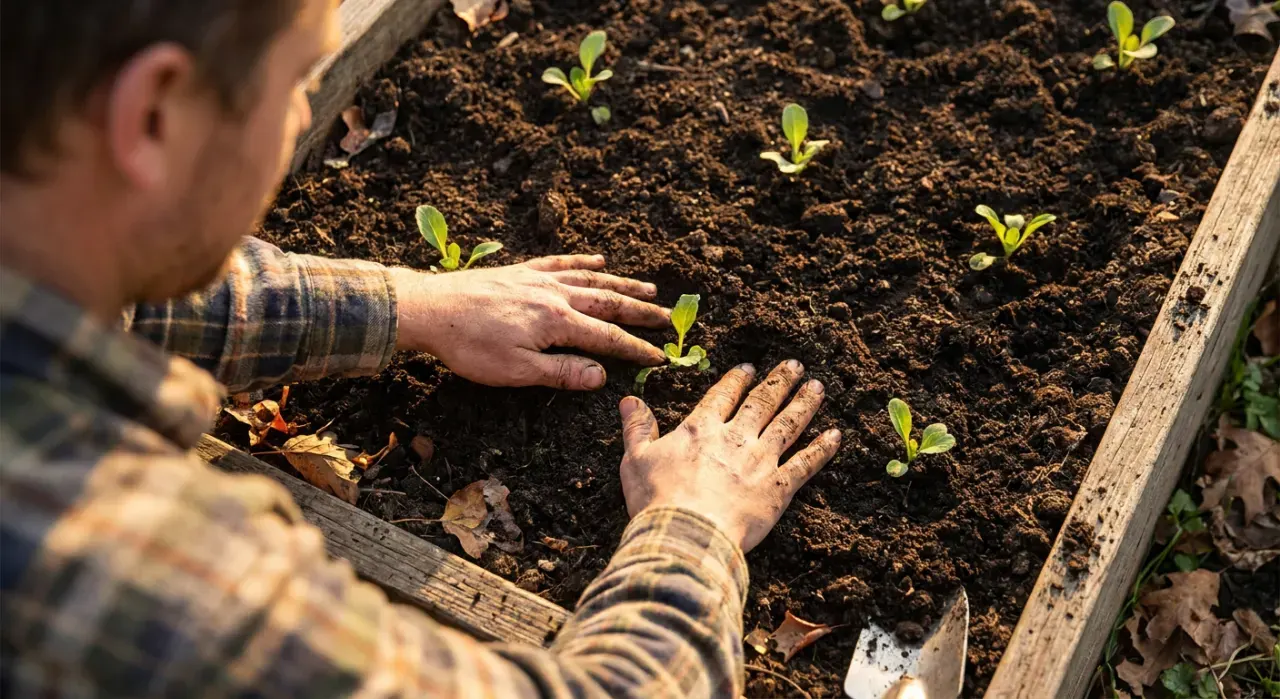
Two materials deserve a clear no around vegetables, regardless of where you land on modern treated lumber. Old railroad ties are usually saturated with creosote, which EPA restricts to certified applicators treating outdoor wood such as railroad ties and utility poles, and which is not sold to homeowners — keep them out of food beds. And reclaimed treated lumber from before 2004 may be arsenic-containing CCA wood; when you cannot verify what a salvaged board was treated with, do not use it for growing food. The safe rule for uncertain wood is simple: if you do not know what is in it, keep it away from your vegetables and reach for cedar, untreated lumber, metal or composite instead.
The bottom line
Modern pressure-treated lumber (post-2004, copper-based) is considered low-risk for vegetable beds; line the walls with plastic if you want extra reassurance, and avoid old CCA wood and railroad ties. Many gardeners simply choose cedar or metal to skip the question — our best raised garden bed and best metal raised beds roundups cover both, and how long metal beds last compares longevity. On wall lining, see lining a raised bed.
We never buy, test or physically handle the products we rank. Recommendations come from aggregated owner reviews, star ratings, review volume and expert consensus — see how we rank.
More from this hub: Raised Beds & Planters · Best raised garden bed · Best metal raised beds · Lining a raised bed · How we rank