 Garden
Affiliate Disclosure
Some links on this page are affiliate links. As an Amazon Associate, we earn from qualifying purchases — at no extra cost to you. We do not buy, test, or physically handle the products we cover; our rankings come from aggregated owner reviews, ratings and expert consensus. Commissions never change our verdicts. How we rank · full disclosure.
The short version: after weighing six microfiber sets on weave density, streaking, absorbency and how they hold up through repeated laundering, our #1 pick is the MR.SIGA 24-pack — a dense, well-sized, color-coded general-purpose cloth in a quantity that changes how you clean. If you want the plush, heavy cloth for glass and finished surfaces, Buff Pro is a genuine step up in weave density.
The most cost-effective upgrade in domestic cleaning is not a better spray, it is better cloths — and more of them. Microfiber works by mechanical capture, and a saturated cloth captures nothing. Owning twenty-four instead of four is the change that makes the biggest difference.
Top Picks at a Glance
Our #1 Pick: MR.SIGA 24-Pack
Microfiber is not one material. It is a category ranging from genuinely split fiber — where each strand has been mechanically divided into dozens of finer filaments with hooked edges that grab soil — to extruded polyester that was never split at all and simply pushes dirt around while feeling soft. The difference is invisible on the shelf and obvious on a countertop, and it is the single reason people conclude that microfiber does not work.
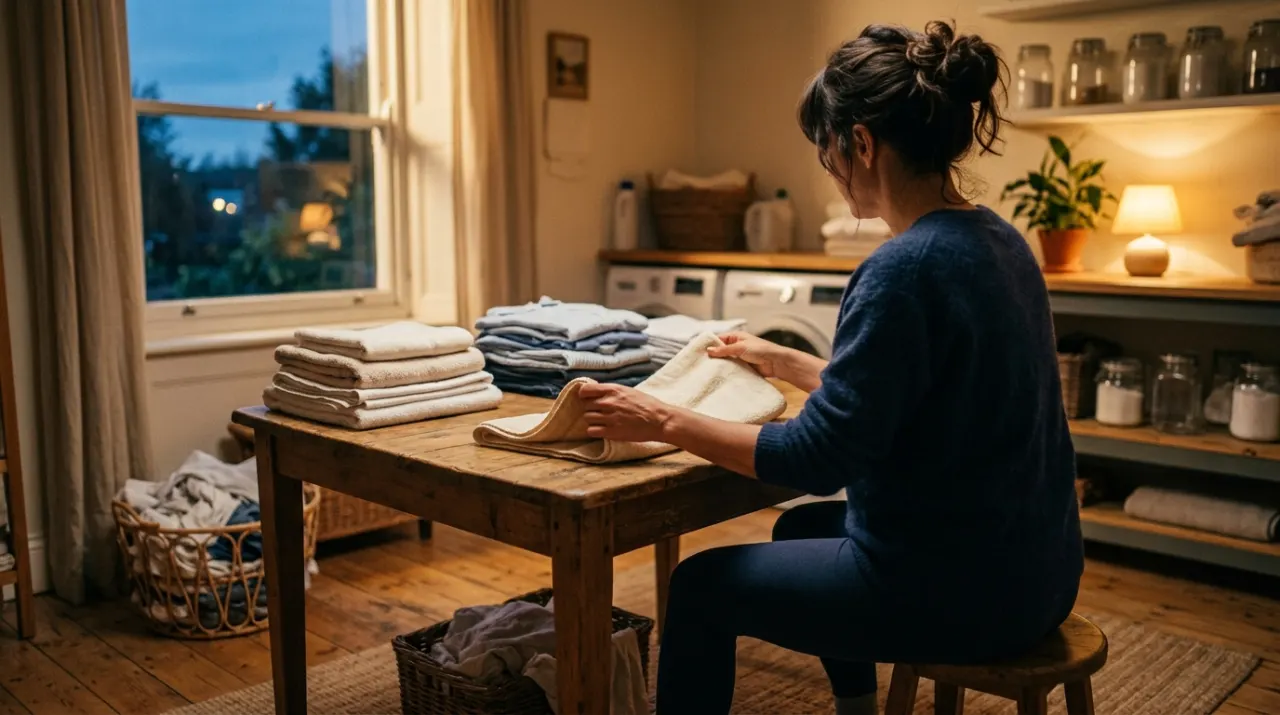
The MR.SIGA cloths are properly split, and the density is right for general work: enough pile to hold water and lift soil, not so plush that the cloth drags on a dry surface. At 12.6 inches square they fold into quarters comfortably, which gives you eight clean faces from one cloth — the technique that separates efficient cleaning from smearing.
Buying twenty-four at once is not incidental. Colour coding lets you keep bathroom cloths permanently separate from kitchen cloths, which is a basic hygiene practice most households skip because they only own four cloths. EPA puts damp-mopping floors and damp-dusting hard surfaces alongside routine vacuuming in its guidance on keeping indoor biological pollutants down. And having a full stack means you retire a cloth to the laundry the moment it stops working rather than persevering with a saturated one.
The durability record is the other reason it ranks first. Reviewers report these surviving hundreds of hot washes with the pile intact, which is the practical difference between a cloth that costs pennies per use and one that costs a dollar.
Honest caveats: they are a mid-density cloth, so on glass and polished surfaces a heavier plush cloth gives a better final buff. The colors fade with repeated hot washing, which undermines color coding over a long period. And like all microfiber, they are destroyed instantly by fabric softener.
Check price on Amazon → (paid link)
The Ranked Field

Best for the general-purpose cloth you keep a stack of in every room
- 24 cloths at 12.6 x 12.6 inches
- Dense split-fiber weave with good absorbency
- Colour-coded so kitchen and bathroom cloths stay separate
- Holds up over hundreds of hot washes
Why buy it: the best balance of density, size and durability at a price where you can afford enough of them to never reuse a dirty one.

Best for stocking a house, a garage and a car from one box
- 24 cloths in three colors for zone separation
- Larger 16 x 12 inch format
- Non-abrasive — safe on paint, glass and screens
- Absorbs several times its own weight
Why buy it: the cheapest cloth here that still uses genuine split fiber, and the larger size covers more per wipe.

Best for people who clean properly and want cloths that last years
- Heavier 300+ GSM commercial-grade weave
- Large 16 x 16 inch towels fold into eight clean faces
- Soft enough for glass, paint and car finishes
- Built for repeated commercial laundering
Why buy it: a genuinely denser weave — it holds more water, glides instead of dragging, and survives laundering that shreds cheap cloths.

Best for windows, mirrors and shower screens without streaks
- One scrubbing side, one flat polishing side
- Waffle-textured face lifts film, smooth face buffs dry
- Works with plain water on light soiling
- Lint-free on glass
Why buy it: the two-sided design does the whole window job — lift then buff — with one cloth instead of two.
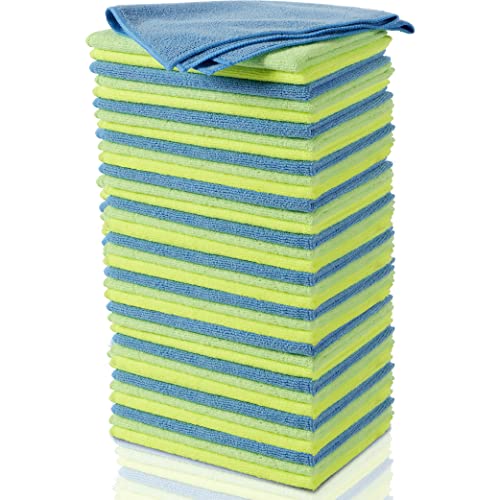
Best for big houses, workshops and anyone who loses cloths
- 36 assorted-color cloths in one box
- Machine washable hundreds of times
- Suits home, garage, car and office
- Enough to keep separate sets per zone
Why buy it: thirty-six cloths means you can color-code by room and still never run out mid-clean.
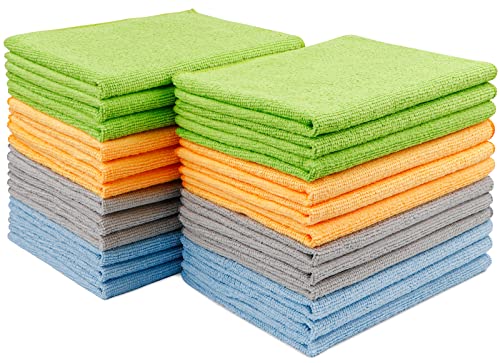
Best for counters, spills and everyday kitchen wiping
- Soft, highly absorbent weave
- 24 cloths at 12 x 16 inches
- Lint-free on counters and appliances
- Cheap enough to retire and replace regularly
Why buy it: thirsty and soft — it soaks up a spill rather than pushing it around, which is the actual kitchen job.
Quick Comparison
| Product | Best for | Rating | Price | Buy |
|---|---|---|---|---|
| MR.SIGA Microfiber Cleaning Cloths, 12.6" (24-Pack) | Best Overall | — | Check (paid link) | |
| Amazon Basics Microfiber Cleaning Cloths, 16" x 12" (24-Pack) | Best Value | — | Check (paid link) | |
| Buff Pro Multi-Surface Microfiber Towels, 16" x 16" (12-Pack) | Best Premium | — | Check (paid link) | |
| Zwipes Dual-Sided Glass, Mirror & Window Cloth (2-Pack) | Best for Glass | — | Check (paid link) | |
| Zwipes Microfiber Cleaning Cloths, 12" x 16" (36-Pack) | Best Bulk Pack | — | Check (paid link) | |
| AIDEA Microfiber Cleaning Cloths, 12" x 16" (24-Pack) | Best for Kitchen Spills | — | Check (paid link) |
Consensus Scores
Each score is our reading of the owner-review picture for that set — star average weighted by review volume and recency, adjusted for how the negative reviews cluster. It is never a measurement we took, and the verified review count sits on the card above.
| Microfiber set | Consensus Score | What the reviews cluster on |
|---|---|---|
| MR.SIGA 24-Pack | Consensus Score █████████░░░ 8.8 | durability and density, colors fade |
| Amazon Basics 24-Pack | Consensus Score █████████░░░ 8.7 | outstanding value, thinner than premium |
| Buff Pro 16" (12-Pack) | Consensus Score █████████░░░ 8.9 | plush and long-lasting, costs more |
| Zwipes Glass Dual-Sided | Consensus Score ████████░░░░ 8.2 | streak-free glass, only two in the pack |
| Zwipes 36-Pack | Consensus Score ████████░░░░ 8.4 | quantity and price, mixed density |
| AIDEA 24-Pack | Consensus Score ████████░░░░ 8.3 | soft and absorbent, wears faster |
How We Rank
We do not buy or use these cloths. We read the owner-review record at volume, because the way microfiber fails is slow — pile flattening, edges fraying, and the gradual loss of grab that people notice as "these do not work like they used to." Four factors carry the weight. Streak behavior, judged by how often reviewers mention smearing on glass, counters and appliances. Absorbency, from complaints about cloths that push a spill around rather than lifting it. Laundering durability, meaning how many washes reviewers report before the pile flattens or edges unravel — the number that actually determines cost per use. And size and format, since a cloth too small to fold into eight faces makes you work harder. Prices were checked at the time of writing. Full method on how we rank.
The Cloths, Reviewed
1. MR.SIGA 24-Pack — Best Overall
Covered above. What owners like: genuine split-fiber grab; a density that suits both wet and dry work; the quantity, which changes cleaning habits; and durability through repeated hot washing. Recurring complaints: colors fade with hot washing, which erodes color coding; the mid-weight pile is not the best choice for a final glass buff; and a minority report edge stitching fraying after heavy commercial use. Check price (paid link).
2. Amazon Basics 24-Pack — Best Value
The cheapest genuinely split-fiber cloth in this roundup, in a larger 16 by 12 inch format that covers more surface per wipe. Three colors give you enough separation for kitchen, bathroom and general, and at this price you can put a stack in the garage, a stack in the car and a stack under the sink without thinking about it.
Recurring complaints: they are visibly thinner than the premium cloths, so they saturate faster and need changing more often during a big job. Reviewers doing car detailing consistently prefer a heavier towel for paint. And durability is good rather than exceptional — expect them to flatten sooner than MR.SIGA or Buff Pro. Excellent value, not the last cloths you will ever buy. Check price (paid link).
3. Buff Pro Multi-Surface 16" — Best Premium
These come from the professional cleaning supply world rather than the retail one, and the difference is density. A heavier weave holds substantially more water, glides across a surface instead of dragging, and leaves less behind on glass and polished stone. At 16 by 16 inches they fold into eight generous faces, which means one towel handles a whole bathroom.
They are also built for commercial laundering, which is a higher bar than domestic use — reviewers report them surviving years of weekly washing with the pile intact.
Recurring complaints: price is roughly double the budget sets per cloth, and twelve towels does not go as far in a large house as twenty-four. The plush pile holds more water, which means longer drying times. And on a dry dusting job the heavier nap can push dust rather than trapping it — use them damp. Check price (paid link).
4. Zwipes Dual-Sided Glass Cloth — Best for Glass
Glass is a two-step job and most people try to do it with one cloth. A textured waffle face lifts the film — road grime on a car window, cooking residue on a kitchen window, hard water spotting on a shower screen — and a smooth flat face buffs the surface dry without leaving lint. Having both on one cloth means you flip rather than fetch.
On light soiling it works with plain water, which is genuinely better on glass than most sprays because there is no surfactant residue left behind to streak in sunlight.
Recurring complaints: two cloths per pack is not many if you are doing a whole house of windows, and reviewers repeatedly say they wish it came in a larger set. The waffle side can feel scratchy on very soft coated surfaces. And on heavy hard-water deposits, no cloth substitutes for an acid cleaner. Check price (paid link).
5. Zwipes 36-Pack — Best Bulk Pack
Thirty-six cloths in assorted colors, which is enough to run a proper color-coded system: one color for bathrooms, one for kitchen, one for glass, one for the car and the garage. That separation is basic hygiene practice in commercial cleaning and almost nobody does it at home, purely because they do not own enough cloths.
Recurring complaints: density varies across the pack in some reviewers' experience, with a few cloths noticeably thinner than the rest. The 12 by 16 inch size is good but the pile is mid-weight, so these are workhorses rather than finishing cloths. And with thirty-six cloths, washing them separately from cotton becomes a load of its own. Check price (paid link).
6. AIDEA 24-Pack — Best for Kitchen Spills
Softer and thirstier than the general-purpose cloths above, which makes them the right shape for kitchen work: soaking up a spill, wiping down a counter, drying an appliance without lint. They are cheap enough that you can retire one permanently after it meets raw chicken juice rather than trying to launder it back into service.
Recurring complaints: the softer weave wears faster than the denser cloths here, with reviewers reporting flattening after moderate use. They are less effective as a dry duster than a stiffer pile. And the colors are not distinct enough for a rigorous color-coding system. Buy them as consumables rather than long-term tools. Check price (paid link).
What Owners Actually Complain About
Five themes dominate negative microfiber reviews, and four of them come down to care rather than the cloth.
They stopped working. Almost always fabric softener or a dryer sheet. Both deposit a waxy coating on the fibers that permanently prevents capture, and no amount of rewashing removes it. Wash microfiber with detergent only.
They smear on glass. Either the cloth is not genuinely split fiber, or it is saturated. Fold into quarters, use one face at a time, and change to a fresh cloth the moment the last face stops working.
They are covered in lint. Washed with cotton towels. Microfiber attracts and holds cotton lint, and once it is in the pile it transfers to every surface you wipe. Wash microfiber as its own load.
They melted or went hard. High dryer heat. Microfiber is plastic, and the fine tips that do the work melt and fuse at temperatures a cotton towel shrugs off. Air dry, or tumble on the lowest setting.
They scratched something. Rare with genuine microfiber and usually caused by grit trapped in the pile from a previous job. Shake or rinse a cloth before using it on paint, screens or polished surfaces.
How to Choose and Care for Microfiber
Match the cloth to the job. General cleaning and wiping? A mid-weight cloth around 250 to 300 GSM, bought in quantity. Glass, screens and polished surfaces? A plush cloth or a dedicated dual-sided glass cloth, used with plain water. Kitchen spills? A soft absorbent cloth you treat as a consumable. Car paint or delicate finishes? A heavy, edgeless or soft-edged towel, and never one that has been used on floors.
Then run a system. Colour-code by zone so a bathroom cloth never touches a kitchen counter. Fold each cloth into quarters for eight working faces. Wash them hot, separately from cotton, with detergent only and absolutely no softener, then air dry or tumble cold. It is one of the few loads worth the hot water: ENERGY STAR puts hot water heating at about 90 percent of the energy a washing machine uses, with only 10 percent going to the motor, and advises washing with cold water whenever possible. And retire them when the pile is visibly flat — a worn cloth pushes soil around and quietly makes you think your cleaner has stopped working.
Matching the cleaner to the soil matters just as much as the cloth, and we cover the four chemistry families in best all-purpose cleaners. For floors, a flat microfiber mop head follows exactly the same care rules — see how to clean hardwood floors.
The Verdict
For general household cleaning, the MR.SIGA 24-pack is what the owner-review record supports — properly split fiber, the right density for both wet and dry work, and durable enough that the cost per use is close to nothing. If you want the plusher cloth for glass, stone and anything you buff rather than scrub, Buff Pro is the meaningful upgrade. And whatever you buy, buy more than you think you need. Check price on Amazon → (paid link)
Next: the full cleaning & laundry hub · best steam mops · best all-purpose cleaners · best laundry detergents · how we rank.