 Garden


Affiliate Disclosure
Some links on this page are affiliate links. As an Amazon Associate, we earn from qualifying purchases — at no extra cost to you. We do not buy, test, or physically handle the products we cover; our rankings come from aggregated owner reviews, ratings and expert consensus. Commissions never change our verdicts. How we rank · full disclosure.
Clothes still smell after washing for one of four reasons: the wash was too cold or too short to dissolve body oils, the machine was overloaded so nothing rinsed properly, too much detergent or fabric softener left residue that traps odor, or the washer itself has a biofilm problem. Odor comes from bacteria feeding on skin oils and sweat residue trapped in fibers, and cold water alone does not remove those oils. The usual fix is a warm or hot cycle with a full detergent dose, a smaller load, no fabric softener, and a monthly hot maintenance wash of the machine.
We never buy, test or physically handle the products we rank; recommendations come from aggregated owner reviews and expert consensus, described in how we rank. More at the cleaning and laundry hub.
How do you tell which cause is yours?
Match the smell to when and where it appears. This single distinction saves most people from chasing the wrong fix:
| What you notice | Most likely cause | First fix |
|---|---|---|
| Everything smells musty out of the drum | Washer biofilm | Clean gasket, drawer, filter; hot maintenance wash |
| Only synthetics and gym gear smell | Embedded body oils | Oxygen bleach or enzyme presoak, warm wash |
| Smell appears only once worn | Residue reactivated by sweat | Strip wash, drop fabric softener |
| Towels sour within a day | Softener film plus slow drying | Vinegar rinse, hot wash, dry fully |
| Smell after clothes sat wet in the drum | Bacterial regrowth | Rewash immediately, dry promptly |
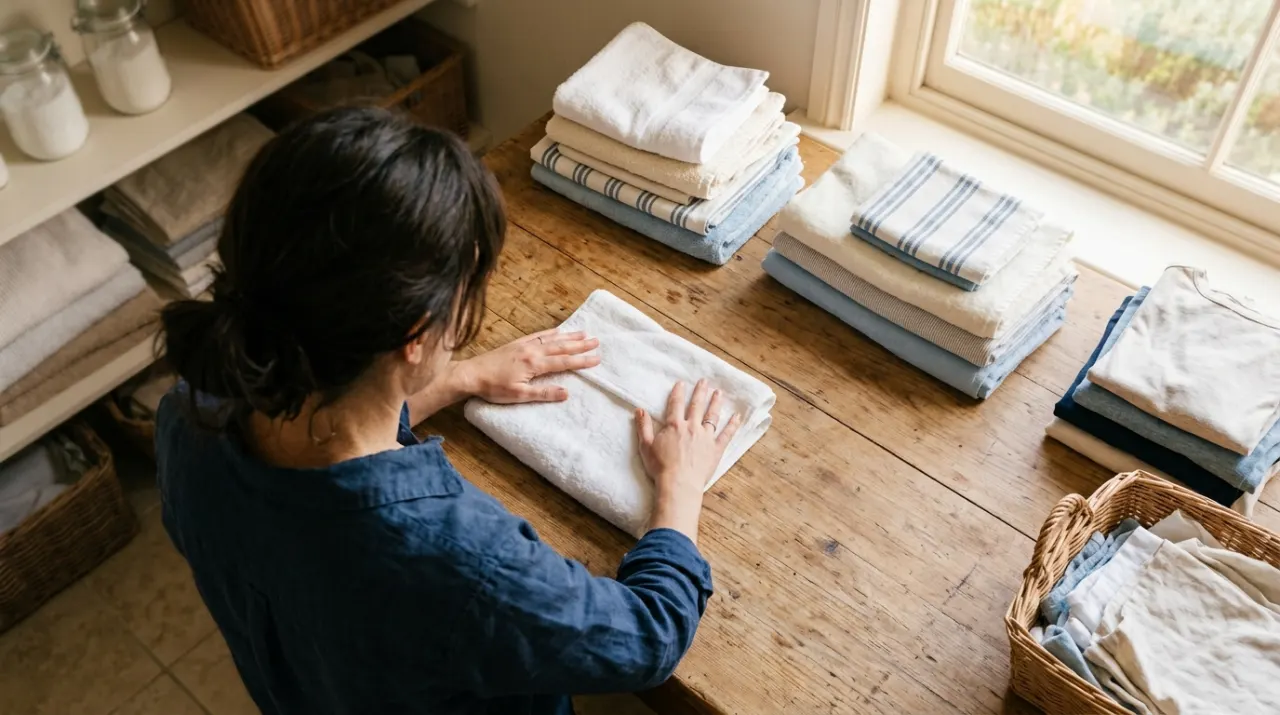
Why does cold water leave odor behind?
Because sebum, the oil your skin produces, does not readily dissolve at 60°F. Detergent surfactants lift some of it, but a short cold cycle in a crowded drum gives them too little time and too little mechanical action. What remains is a thin oily film in the fiber, and that film is food for the odor-producing bacteria that regrow the moment the garment gets warm and damp again. Washing at warm or hot removes far more of it. Cold washing is genuinely better for energy use and for colors, so the practical answer is selective heat: hot for towels, bedding, underwear and activewear, cold for the rest.

Can using too much detergent cause smell?
Yes, which surprises people. High-efficiency machines use a fraction of the water of older models, so an over-dose has too little water to rinse away. The excess stays in the fabric and in the machine as a sticky residue that traps soil and feeds biofilm. The symptom pattern is stiff-feeling laundry, a film on the drum, and a persistent smell that gets worse the more detergent you add trying to fix it. Dose to the load size on the package, not to the cap line, and skip fabric softener on towels and synthetics entirely.

What is a strip wash and does it work?
A strip wash is a long soak in hot water with a mix of oxygen bleach and a small amount of detergent, used to pull accumulated residue out of textiles that have gone stale. Soak four to six hours in a tub, stirring occasionally, then run a normal hot wash with no detergent added. Owners of towels and workout gear report it works dramatically well once, and that the real lesson is what caused the buildup: too much detergent, too much softener, or too little heat. Do not strip wash delicates, wool or anything with elastic that heat will damage.
What else keeps laundry smelling clean?
A clean machine comes first. See how often to clean a washing machine, how to clean a washing machine gasket and why a front-load washer smells musty. For detergent choice, our best laundry detergent roundup and the hard water picks cover the options, and what temperature to wash towels at settles the towel question. More in the cleaning and laundry hub.