 Garden

Affiliate Disclosure
Some links on this page are affiliate links. As an Amazon Associate, we earn from qualifying purchases — at no extra cost to you. We do not buy, test, or physically handle the products we cover; our rankings come from aggregated owner reviews, ratings and expert consensus. Commissions never change our verdicts. How we rank · full disclosure.
A spade has a flat, sharp-edged blade in line with the handle for slicing into soil, cutting roots and edges, and digging clean straight-sided holes. A shovel has a curved, pointed scoop angled forward for lifting and throwing loose material like soil, gravel and mulch. Choose a spade for planting, transplanting, edging and precise digging. Choose a shovel for moving loosened soil or scooping loose piles. Most gardeners keep both, because they do genuinely different jobs.
What's the difference?
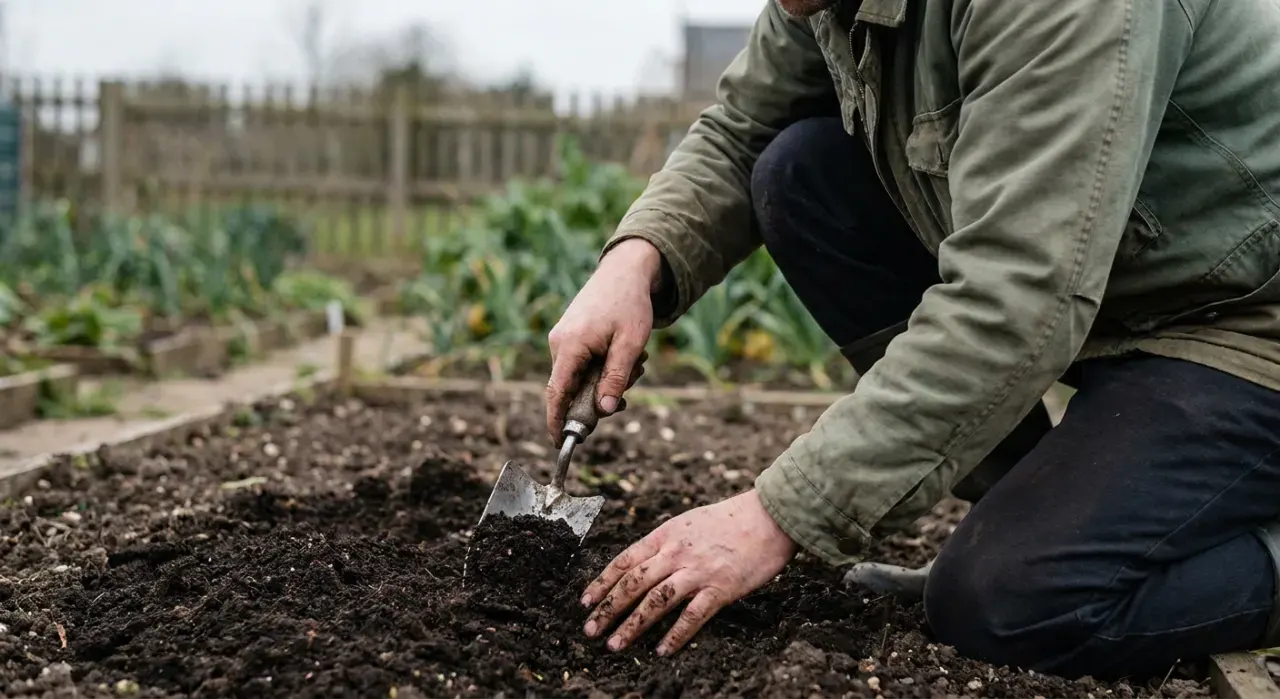
The blades tell the whole story. A spade blade is flat and roughly straight-edged, set nearly in line with the shaft, so it drives straight down and slices — through soil, through roots, along a bed edge. A shovel blade is broader, dished into a scoop, and angled forward from the handle, so it lifts and carries loose material and throws it where you want. One tool is built to cut and dig with precision; the other is built to move volume. That is why swapping one for the other works badly, and why the pair covers most digging and hauling.
Spade vs shovel at a glance
| Spade | Shovel | |
|---|---|---|
| Blade shape | Flat, straight edge | Curved scoop, usually pointed |
| Blade angle | In line with handle | Angled forward |
| Main job | Cutting, digging, edging | Lifting, scooping, moving |
| Hole shape | Straight-sided, flat-bottomed | Cone-shaped |
| Slicing roots / edges | Excellent | Poor |
| Moving loose material | Limited capacity | High capacity |
| Best for | Planting, transplanting, edging beds | Moving soil, gravel, compost, mulch |
Which is better for planting and digging holes?
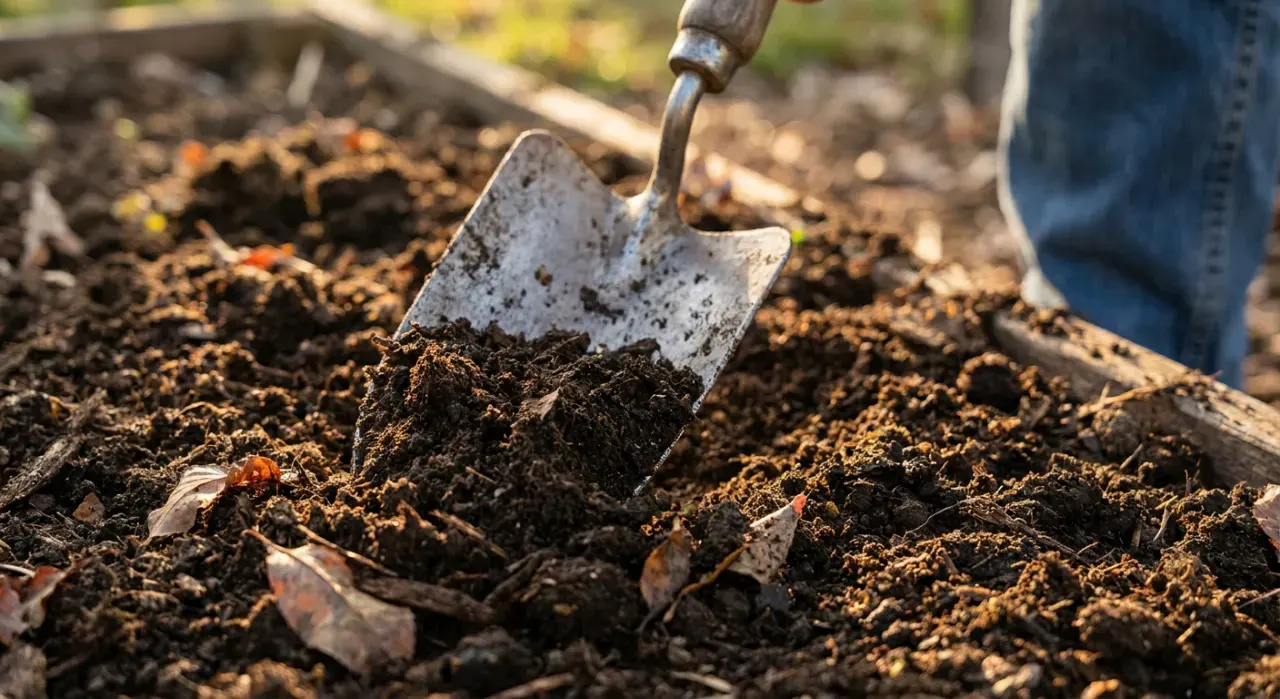
The spade. Setting a shrub, tree or perennial calls for a hole with fairly straight sides and a flat bottom so the roots sit properly, and the spade's flat, sharp blade cuts that shape while slicing cleanly through any roots in the way. It also lets you lift plants and divide clumps with control. A pointed shovel tends to carve a cone-shaped hole and fights you on clean edges. For anyone whose main task is planting, transplanting and tidy edging, the spade is the precision tool that makes the job easier and the results better. See our best garden spades roundup for the models owners rate highest.
Which is better for moving material?
The shovel, easily. Once soil is loosened, or when you are shifting gravel, compost, mulch or snow, the shovel's curved scoop holds far more per lift and throws it where you want with less effort. A spade can scoop a little, but its flat blade spills loose material and tires you out over any real volume. The efficient workflow on tougher ground is to cut and break it with a spade, then move the loosened material with a shovel — each tool doing the part it was designed for. If your job is mostly hauling, the shovel is the one to reach for.
Which should you buy?
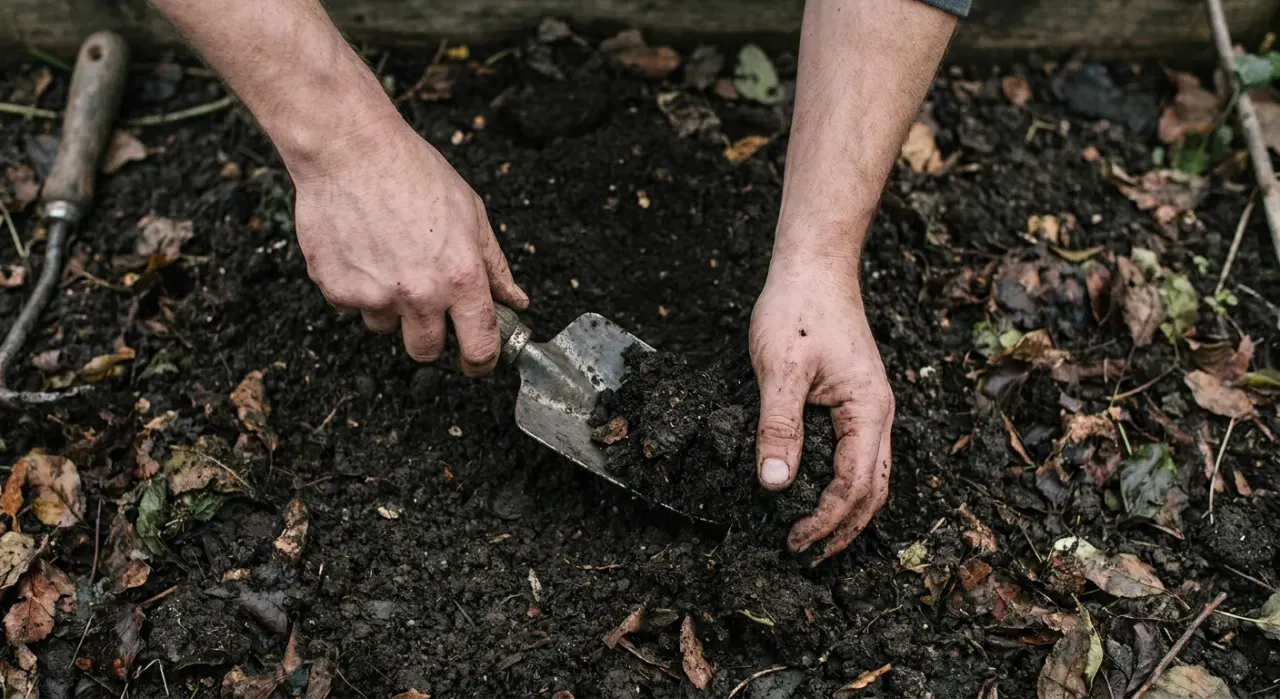
Buy a spade if your work is mostly gardening — planting, transplanting, dividing and edging beds — because its clean, precise cuts are what those jobs demand. Buy a shovel if you mostly move loose material like soil, gravel, mulch or compost. If you do a bit of everything, own both: they are inexpensive, last for decades with basic care, and together they cover nearly every digging and hauling task. For tight beds, consider a lighter border spade over a full digging spade. Our picks come from aggregated owner reviews and expert consensus rather than first-hand testing — see how we rank.
Where to go next
Compare specific models in our best garden spades roundup, and see the best garden tool sets if you are kitting out from scratch. Related reading: how to sharpen garden tools and how to store garden tools. More comparisons: border spade vs digging spade. All under the garden hand tools hub.