 Garden

Affiliate Disclosure
Some links on this page are affiliate links. As an Amazon Associate, we earn from qualifying purchases — at no extra cost to you. We do not buy, test, or physically handle the products we cover; our rankings come from aggregated owner reviews, ratings and expert consensus. Commissions never change our verdicts. How we rank · full disclosure.
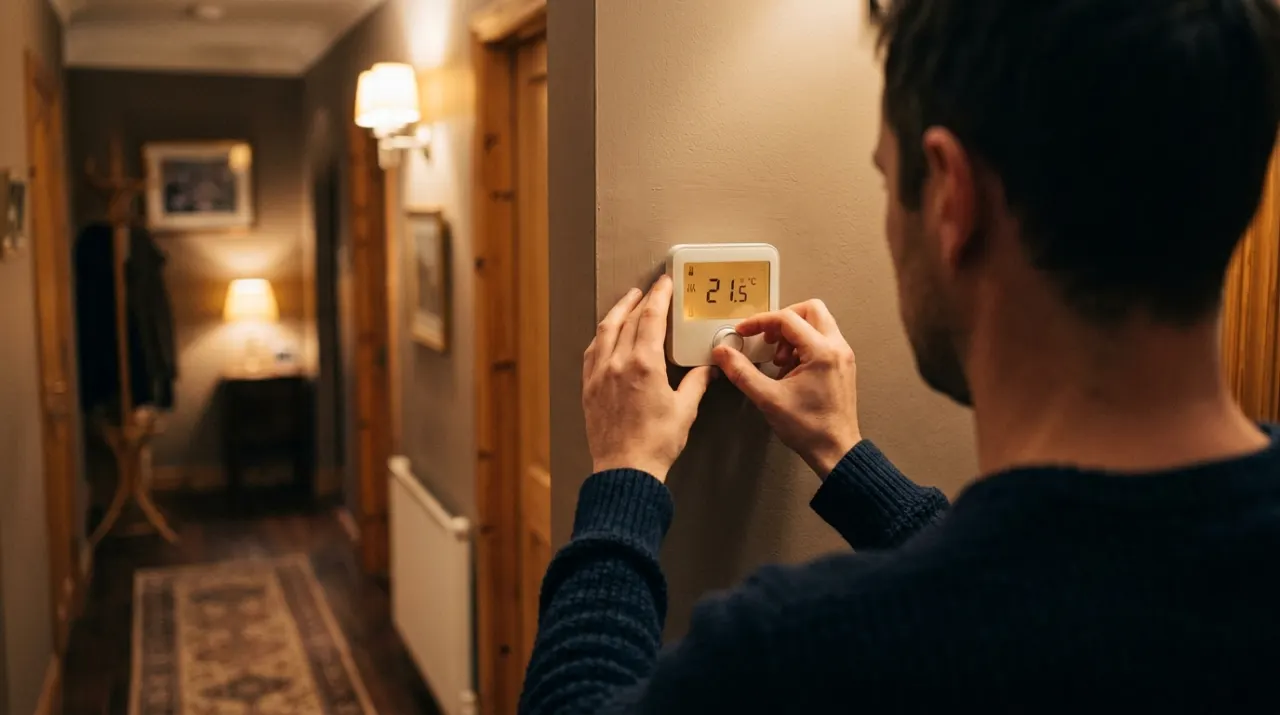
The short answer: in most cases the heater is simply switched off — flame effect and heat are separate controls on nearly every electric fireplace, and the unit will run flames all evening with the element idle. Work through it in order: heater switch or heat mode, thermostat set above room temperature, a thermal cutout tripped by a blocked intake or outlet grille, dead remote batteries, an overloaded circuit, and finally a failed element or blower. Unplug for 30 minutes to reset the cutout before assuming a fault.
We do not physically handle the products we rank; picks come from aggregated owner reviews and expert consensus — see how we rank. Model shortlists are in best electric fireplace.
What should I check first?
Go cheapest to most expensive and stop when the heat comes back. The overwhelming majority of no-heat complaints resolve in the first three checks, and none of them requires opening the unit. If the flame effect is working, the appliance has power and a working control board, which immediately eliminates the outlet, the cord and the main switch. That single observation cuts the diagnosis in half.
| Check | Symptom | Fix |
|---|---|---|
| Heater switch or heat mode | Flames run, no fan, no warmth | Engage the separate heat control |
| Thermostat setpoint | Fan never starts, room already warm | Set several degrees above room temperature |
| Thermal cutout | Heat runs 20 – 40 min then stops | Unplug 30 min, clear the grilles |
| Remote batteries | No response to any command | Fresh batteries, or use onboard buttons |
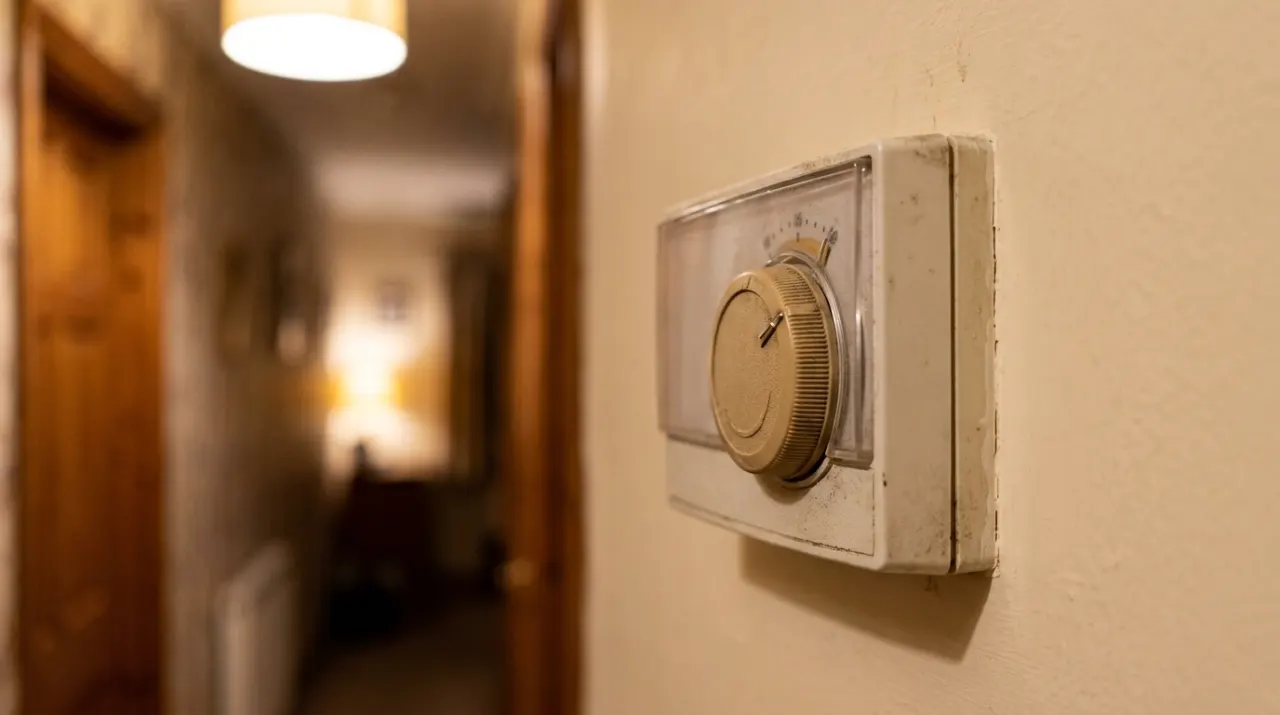
| Blocked intake | Dusty grille, weak airflow | Unplug, vacuum the grille with a brush |
| Circuit overload | Breaker trips when heat engages | Move to a circuit with nothing else on it |
| Failed element or blower | Fan runs cold, or no fan at all | Warranty claim or replacement |
Why does blocked airflow stop the heat?
Because the element depends on moving air to stay within its design temperature. Every fan-forced fireplace draws room air through an intake, passes it over a resistance element, and discharges it through a grille. Restrict either end — a felt of dust on the intake, a media cabinet with too little clearance, a curtain or throw across the discharge — and the element temperature rises until the thermal cutout opens the circuit. It is also why the US Fire Administration asks for three feet of clear space around any heat source. The flame keeps running because it is on a separate low-power circuit, which is exactly why the fault looks so puzzling.
Unplug the unit, let it cool, and vacuum both grilles with a brush attachment. Then confirm the clearances the manufacturer specifies for a recessed installation, which are usually stated in the manual and are commonly ignored during media-wall builds. The same thermal-cutout logic applies to every resistance heater, and is covered in why does my space heater keep shutting off.
Is it broken, or is it just a small heater?
Worth ruling out before you call anyone. It is also worth checking the CPSC recall database for your model before assuming a fault is normal. A 1,500 watt fireplace produces about 5,120 BTU, which is enough to raise a well-insulated 150 to 200 square foot room by several degrees over 20 to 40 minutes — and no more. In a 400 square foot open-plan space, or a sunroom with a lot of glass, a perfectly healthy unit will feel like it is doing nothing. Put a thermometer in the room and check whether the temperature moves at all over half an hour with the door closed.
- Air at the grille warm? The element is working; the room is oversized.
- Fan running cold? Element or relay failure.
- No fan, no heat, flames fine? Heater switch, thermostat or cutout.
Realistic expectations are set out in do electric fireplaces really heat a room and how many square feet does an electric fireplace heat. Draw and running cost are in how many watts does an electric fireplace use, and expected service life in how long do electric fireplaces last. More in the heating and cooling hub.