 Garden

Affiliate Disclosure
Some links on this page are affiliate links. As an Amazon Associate, we earn from qualifying purchases — at no extra cost to you. We do not buy, test, or physically handle the products we cover; our rankings come from aggregated owner reviews, ratings and expert consensus. Commissions never change our verdicts. How we rank · full disclosure.
Snake plant leaves curl most often from underwatering (dry soil, leaves folding inward like a taco and feeling thin), from thrips (new leaves emerging distorted with silvery scarring), or from root rot caused by overwatering (curling while the base goes soft, yellow, or mushy). Cold or heat stress can curl leaves too. Because snake plants are drought-tolerant succulents, overwatering is the more dangerous mistake — so before you reach for the watering can, feel the soil and check the base of the leaves. That tells you whether the plant is thirsty or drowning, two problems that look similar but need opposite fixes.
We do not test or physically handle the plants and products we cover; our guidance draws on horticultural extension research and the aggregated experience in thousands of owner reviews, as explained in how we rank. The prevention routine is in how to care for a snake plant.
Feel the soil and inspect new growth
Check three things: soil moisture, the firmness of the leaf base, and the newest leaves for pest damage.
| What you find | Leaves | Likely cause |
|---|---|---|
| Soil bone dry, base firm | Curling inward, thin, wrinkled | Underwatering |
| New growth distorted, silvery marks | Curled, scarred, tiny specks | Thrips |
| Soil wet, base soft | Curling with yellow, mushy base | Overwatering / root rot |
| Near cold glass or a vent | Curling with soft or discolored patches | Cold or heat stress |
Because snake plants grow slowly, respond to what the newest leaves are doing rather than waiting for old leaves to change — the freshest growth reflects current conditions.
Underwatering — the classic taco curl
A dehydrated snake plant folds its leaves inward along their length, taco-style, to reduce the surface losing water, and the leaves feel thin and slightly wrinkled rather than plump. The soil will be bone dry. Water thoroughly until it drains from the bottom, then let the top 2 to 3 inches dry out completely before watering again — in practice every 2 to 6 weeks depending on light, season, and pot size. Snake plants store water in their leaves and rhizomes, so they tolerate infrequent watering well; the leaves should firm up within a few days of a good soak. See how often to water a snake plant for the schedule.
Thrips — the hidden pest
Thrips are a frequently missed cause of curling, especially when the distortion shows up on new growth. These tiny, slender insects scrape at leaf tissue and cause emerging leaves to curl and warp, often with silvery streaks or scarring and small black specks of frass. Inspect the leaf grooves and new growth closely, ideally with a hand lens. To treat:
- Isolate the plant from your others; thrips spread readily.
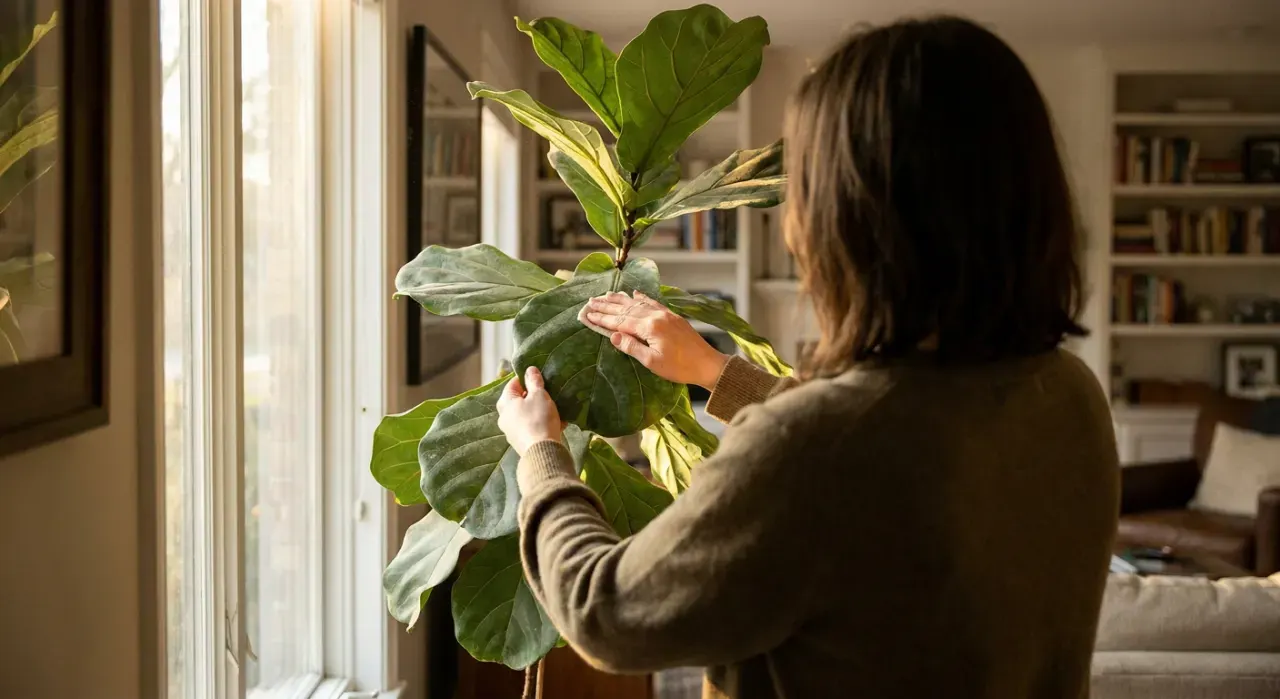
- Wipe the leaves down to remove insects and eggs.
- Apply insecticidal soap or neem every 5 to 7 days for at least three cycles to break the life cycle.
- Inspect new growth as it emerges to confirm the treatment is working.
Because thrips damage is permanent on affected leaves, success is measured by clean, flat new leaves rather than recovery of the curled ones.
Root rot from overwatering
Curling combined with a soft, yellowing, or mushy base on wet soil is root rot, and it is the most serious problem here. Overwatered roots and rhizomes suffocate and rot, then cannot supply water, so the leaves curl and collapse even though the soil is wet. Slide the plant out and check: firm white roots are healthy, brown mushy roots and a soft base are rot. Cut away all rotted tissue with a clean knife, let the cuts dry for a day, and repot into fresh, gritty, fast-draining succulent or cactus mix in a pot with a drainage hole. Water sparingly afterward. Our guide to saving an overwatered plant covers the full recovery.
Cold and heat stress
Snake plants like 65 to 85 degrees Fahrenheit and suffer below about 50 degrees. A cold winter draft, frost exposure, or a spot beside a heating vent or air conditioner can curl the leaves and leave soft, discolored patches where the tissue was damaged. Move the plant to a stable location away from cold glass, drafts, and vents. Cold-damaged tissue will not recover, so remove badly affected leaves at the base and protect the plant from temperature extremes.
Preventing curled snake plant leaves
- Water only when the top 2 to 3 inches are fully dry, then soak and drain.
- Use a gritty, fast-draining mix in a pot with a drainage hole.
- Inspect new growth for thrips and act early if you see distortion.
- Give moderate to bright indirect light; snake plants tolerate lower light but grow best bright.
- Keep temperatures stable and away from cold drafts and hot vents.
For related snake plant issues, see why is my snake plant turning yellow. The shared causes across your collection are in yellow leaves on houseplants, and everything else is at the houseplants and indoor greenery hub.