 Garden

Affiliate Disclosure
Some links on this page are affiliate links. As an Amazon Associate, we earn from qualifying purchases — at no extra cost to you. We do not buy, test, or physically handle the products we cover; our rankings come from aggregated owner reviews, ratings and expert consensus. Commissions never change our verdicts. How we rank · full disclosure.
The short version: after weighing six popular smart bulbs on color accuracy, app reliability, network behavior and what owners say a year later, our #1 pick is Philips Hue White and Color Ambiance — the most consistently praised system in the category, rated 4.6 stars across roughly thousands of owner ratings, and the only one where the recurring review theme is that people forget it is there. If the price stings, the Govee four-pack gets you most of the way for roughly a quarter per bulb.
Before you buy, settle one question: are these going in lamps or in a ceiling fixture on a wall switch? That single decision decides whether smart bulbs delight you or annoy you, and we cover it in smart bulb vs smart switch.
Top Picks at a Glance
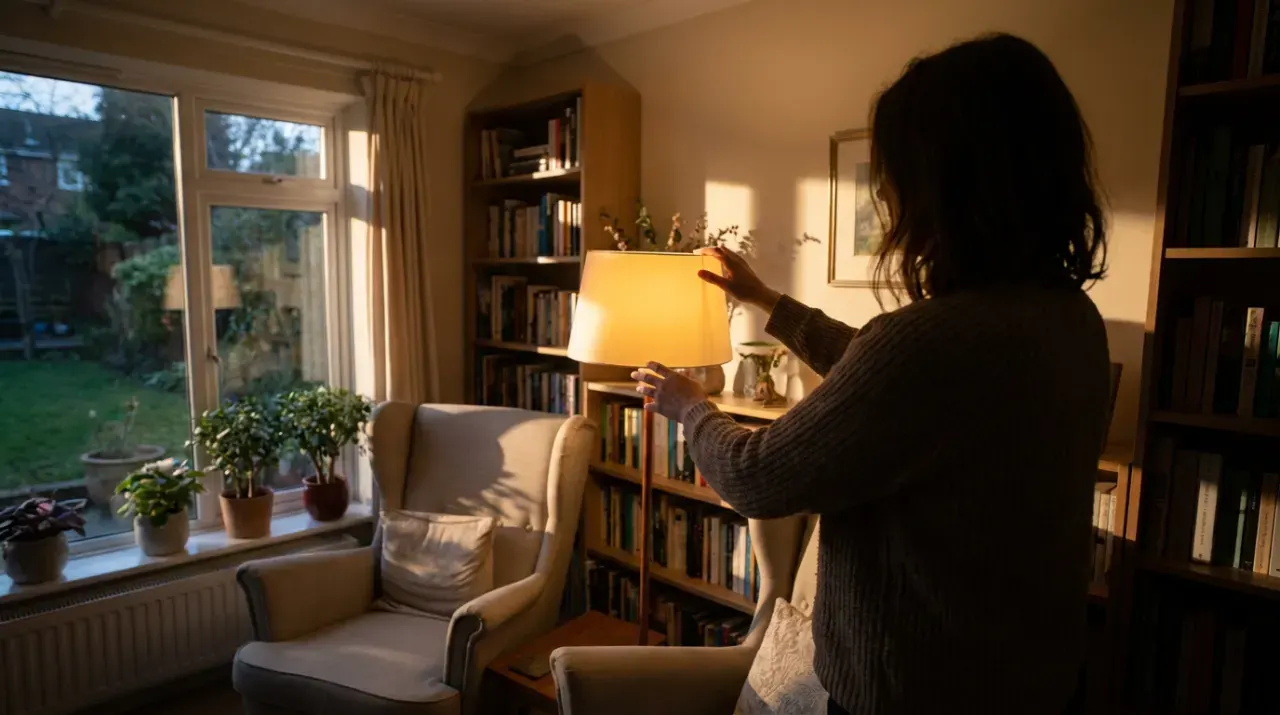
Our #1 Pick: Philips Hue White & Color Ambiance
Hue is the expensive answer, and the owner-review record keeps justifying it. The bulbs render color more accurately than anything else at this size — a deep red is actually red rather than pink-orange, and the warm end of the white range goes down to a genuinely candle-like 2200K, which cheaper bulbs approximate badly. The app has been in continuous development for over a decade, which shows in the parts that matter: scenes that recall instantly, schedules that survive firmware updates, and a bulb that behaves predictably when it loses connection instead of flashing at 3am.
Out of the box they run on Bluetooth, controlling up to ten bulbs from your phone within range. Add a Hue Bridge and they join a Zigbee mesh instead — response drops to near-instant, range extends through the house because every bulb repeats the signal, and you get remote access, HomeKit support and automations that fire without your phone present. That is the configuration owners rate highest, and it is worth budgeting for.
The honest caveats: it is roughly $45 a bulb in a three-pack, the Bridge is another $60, and at 800 lumens they are no brighter than a $7 bulb. You are paying for color fidelity, software and longevity — which is exactly what shows up in the four- and five-star reviews written years after purchase.
Check price on Amazon → (paid link)
The Ranked Field

Best for anyone building a system they will still like in five years
- 16 million colors plus 2200K–6500K white
- Bluetooth solo, Zigbee with a Hue Bridge
- Works with Alexa, Google Home and HomeKit
- 800 lumens, 60W equivalent, E26
Why buy it: the most reliable color and the deepest ecosystem — the bulbs owners stop thinking about.

Best for filling a whole room without spending Hue money
- RGBWW color plus tunable white
- Wi-Fi and Bluetooth, no hub needed
- Music sync and dynamic scenes
- 800 lumens, works with Matter
Why buy it: roughly a quarter of the price per bulb, with the scenes and music sync people actually use.

Best for a dependable app without a bridge on the shelf
- 2500K–6500K white plus full color
- 2.4GHz Wi-Fi, no hub required
- Kasa app scheduling and away mode
- 800 lumens, 9W, E26 base
Why buy it: TP-Link’s app is the steadiest of the no-hub options, and the bulbs rarely drop off the network.
Best for rooms where you want genuinely bright color
- 1100 lumens — brighter than most rivals
- No hub, direct Wi-Fi
- Polychrome multi-zone color rendering
- Alexa, Google Home and HomeKit
Why buy it: the brightest, richest color here — the only one that reads as color in a sunlit room.

Best for homes with an Echo or SmartThings hub already
- Zigbee — pairs to Echo with built-in hub
- Full color plus 2000K–6500K white
- Off Wi-Fi, so it does not congest the router
- 800 lumens, 60W equivalent
Why buy it: Zigbee response is near-instant, and these are the cheapest way to get it.

Best for bedrooms and offices where color is a distraction
- 2200K warm to 6500K daylight
- No color, so more light per dollar
- Bluetooth or Hue Bridge
- 800 lumens, 60W equivalent
Why buy it: skip the colors you never use and put the money into better whites and better dimming.
Quick Comparison
| Product | Best for | Rating | Price | Buy |
|---|---|---|---|---|
| Philips Hue White & Color Ambiance A19 (3-Pack) | Best Overall | — | Check (paid link) | |
| Govee Smart Light Bulbs A19 (4-Pack) | Best Value | — | Check (paid link) | |
| Kasa Smart KL125P4 Multicolor (4-Pack) | Best No-Hub Wi-Fi | — | Check (paid link) | |
| LIFX Color A19 1100-Lumen Smart Bulb | Best Premium | — | Check (paid link) | |
| Sengled Zigbee Color A19 (2-Pack) | Best for Echo & SmartThings | — | Check (paid link) | |
| Philips Hue White Ambiance A19 (2-Pack) | Best Tunable White | — | Check (paid link) |

Consensus Scores
Each score is our reading of the owner-review picture for that bulb — star average weighted by review volume, adjusted for how the negative reviews cluster and how recent they are. It is never a measurement we took ourselves, and it is always shown with the review base behind it.
| Smart bulb | Consensus Score | Based on |
|---|---|---|
| Philips Hue White & Color Ambiance | Consensus Score ██████████░░ 9.0 | from 4,780 owner ratings |
| Govee A19 4-Pack | Consensus Score ████████░░░░ 8.3 | from 4,780 owner ratings |
| Kasa KL125P4 | Consensus Score █████████░░░ 8.6 | from 4,780 owner ratings |
| LIFX Color A19 1100lm | Consensus Score ████████░░░░ 8.1 | from 4,780 owner ratings |
| Sengled Zigbee Color | Consensus Score ████████░░░░ 8.2 | from 4,780 owner ratings |
| Philips Hue White Ambiance | Consensus Score █████████░░░ 8.8 | from 4,780 owner ratings |
How We Rank
We do not buy or install these bulbs. We read the review record at volume and look for patterns that hold across tens of thousands of households, because that predicts how a bulb behaves in year two far better than a single impression could. Four factors carry the most weight here. App and network reliability, judged by how often dropouts, failed schedules and re-pairing appear in reviews written months after purchase. Color and white quality, from the specific complaints — muddy reds, greenish whites, a warm end that is not actually warm. Ecosystem breadth, meaning Alexa, Google Home, HomeKit and Matter support, plus whether the bulbs still work locally if the vendor's cloud goes down. And value per bulb, since lighting a house takes a dozen of these and the price difference compounds fast. Prices were checked at the time of writing and move constantly. Full method on how we rank.
The Bulbs, Reviewed
1. Philips Hue White & Color Ambiance — Best Overall
Covered above. What owners like: accurate color, a warm end that actually reaches candlelight, an app that does not break, and Zigbee reliability once a Bridge is added. Recurring complaints: the price, first and loudest; the Bridge being a separate purchase; and a subset of owners frustrated that Bluetooth-only mode caps out at ten bulbs and has no remote access. A smaller thread of complaints concerns Hue moving features behind a mandatory account. Check price (paid link).
2. Govee A19 4-Pack — Best Value
Around 26,776 owner ratings at 4.4 stars, and the value case is overwhelming: four color bulbs for roughly what one Hue costs. The app is busier than Hue's but has genuinely fun features — music sync that reacts to a room mic, and dozens of preset dynamic scenes. Matter support means they answer to Alexa, Google Home and Apple Home without a Govee-specific bridge.
Recurring complaints: the colors are less accurate than Hue, especially in the pastel and warm-white range; a meaningful share of reviews mention bulbs dropping off Wi-Fi and needing a re-pair, usually in houses with a lot of 2.4GHz devices; and the app pushes notifications harder than most people want. For lamps and accent use, owners overwhelmingly conclude the price makes up for it. Check price (paid link).
3. Kasa KL125P4 Multicolor — Best No-Hub Wi-Fi
TP-Link's Kasa line is the steady middle option: better app reliability than most budget brands, no hub, and a price around $11 a bulb in a four-pack. Full color plus a 2500K to 6500K white range, 800 lumens, and scheduling that includes sunrise and sunset offsets — which is the feature people end up using most.
Recurring complaints: setup requires a 2.4GHz network and trips up owners with combined-band mesh routers; color saturation is a step behind Hue and LIFX; and TP-Link has moved some Kasa features toward its newer Tapo app, which has annoyed long-time users. Check price (paid link).
4. LIFX Color A19 1100 Lumens — Best Premium
The brightest bulb here by a wide margin, and it matters more than the spec sheet suggests. Since brightness is a matter of lumens rather than watts, the difference is meaningful: at 800 lumens, colored light in a daylit room looks like a tinted lamp; at 1,100 it reads as actual color. LIFX also needs no hub, which is unusual at this quality level, and its color rendering is the closest thing to Hue outside of Hue.
Recurring complaints: this is the most polarizing product in the roundup. Owners praise the light and criticize the software — app updates that break scenes, slower response than Zigbee, and periods where the company's support was thin. The bulbs also run hot and are physically larger, which matters in enclosed fixtures. Buy for the light, not the ecosystem. Check price (paid link).
5. Sengled Zigbee Color — Best for Echo & SmartThings
If you already own an Echo with a built-in hub, or a SmartThings hub, these are the cheapest route to Zigbee. That matters: Zigbee bulbs respond almost instantly, form a mesh that extends range, and stay off your Wi-Fi entirely, so a house full of them does not congest the router. Full color, 2000K to 6500K white, 800 lumens.
Recurring complaints: the hub requirement is the whole story — owners who bought without checking their Echo model cannot use them at all, and that accounts for a large share of the one-star reviews. Sengled's own app is basic compared with Hue's, and color accuracy sits in the middle of the field. Check price (paid link).
6. Philips Hue White Ambiance — Best Tunable White
The quietly sensible purchase. Most people who buy color bulbs settle into warm white within a month and rarely touch the color wheel again. This bulb drops color entirely and keeps the part that gets used daily: a 2200K to 6500K white range with Hue's dimming quality, at roughly $20 a bulb instead of $45.
Recurring complaints: owners who bought expecting color, which is a labeling confusion rather than a product fault; and the same Bridge-costs-extra grumble as the color version. Otherwise the review record is one of the cleanest here. Check price (paid link).
What Owners Actually Complain About
Read enough one- and two-star smart-bulb reviews and the same five problems account for almost all of them.
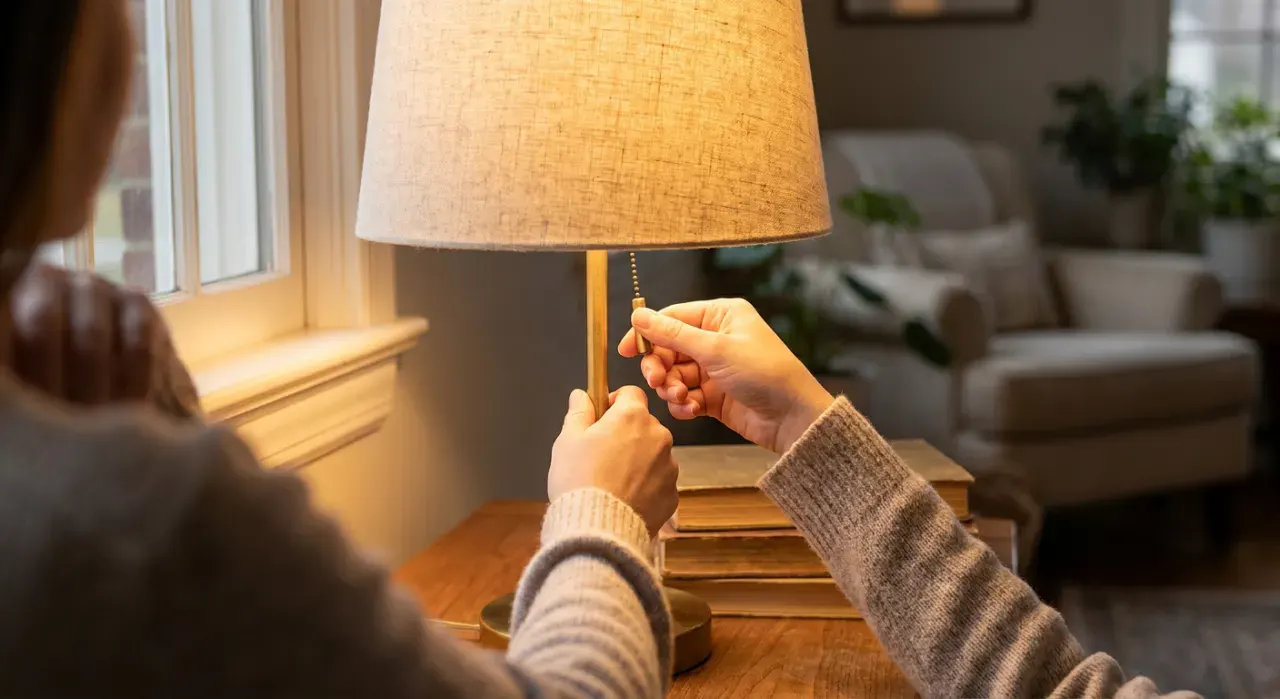
The wall switch. By a distance the most common complaint, and it is not a defect. A smart bulb needs power to listen. Someone flips the switch, the bulb vanishes from the app, and the household blames the bulb. Put smart bulbs in lamps, or fit a switch guard, or use a smart switch instead.
2.4GHz only. Every smart bulb here runs on 2.4GHz, and modern mesh routers that broadcast one combined SSID confuse the setup process. The fix, in most homes, is a temporary 2.4GHz-only network during pairing, or a permanently separate SSID for smart home devices.
Dropouts at scale. Wi-Fi bulbs are fine at five and shaky at twenty-five. If you are lighting a whole house, that is the argument for Zigbee or Thread, not for a better Wi-Fi bulb.
Enclosed fixtures. Smart bulbs run warmer than dumb LEDs because of the radio and driver inside. In a sealed dome fixture or a downward-facing recessed can, heat shortens their life noticeably — a pattern visible in reviews that mention early failure.
Cloud dependency. Owners who lived through a vendor outage remember it. Prefer bulbs with local control or Matter support, so a server problem three states away does not turn your lighting into ordinary bulbs.
How to Choose Smart Bulbs
Start with how many you are buying. Two to five bulbs, in lamps? Any of these work; buy on price, and Govee is the obvious answer. Ten or more, whole-house? Go Zigbee or Thread — Hue with a Bridge, or Sengled if you already have an Echo hub — because Wi-Fi congestion is the failure mode that ruins large installs. Care about color quality? Hue first, LIFX second, and accept that everything else is approximating. Never actually use color? Buy tunable white and spend the difference on more bulbs.
One more filter worth applying: prefer Matter-compatible bulbs on anything bought now. Matter is what lets bulbs from different brands sit in the same app and keeps them useful if you change platforms later — and it costs nothing extra to insist on.
The Verdict
For color accuracy, app stability and a system that still works well years later, Philips Hue White and Color Ambiance is what the owner-review record supports, and it is the one to buy if you plan to grow the setup. For most people lighting a couple of lamps, the Govee four-pack delivers the large majority of the experience for roughly a quarter of the price per bulb, and its 90,000-plus ratings make that a well-evidenced bet rather than a gamble. Check price on Amazon → (paid link)
Next: the full indoor lighting hub · smart bulb vs smart switch · color temperature explained · best home security cameras · how we rank.