 Garden
Affiliate Disclosure
Some links on this page are affiliate links. As an Amazon Associate, we earn from qualifying purchases — at no extra cost to you. We do not buy, test, or physically handle the products we cover; our rankings come from aggregated owner reviews, ratings and expert consensus. Commissions never change our verdicts. How we rank · full disclosure.
The short answer: to get rid of snails in the garden, combine four tactics — handpick them after dark and drop them in soapy water, set beer traps among the plants, scatter iron phosphate bait (a pet-safe, organic-approved slug and snail killer), and put up copper barriers around beds and containers. Just as important, remove the damp daytime hiding places — boards, debris, dense low foliage, and thick mulch against stems — that let snails shelter and breed. No single method clears them; the combination does.
Garden snails rasp irregular holes in leaves, flowers, and ripening fruit, leaving telltale silvery slime trails, and they can devastate seedlings and tender plants like hostas, lettuce, and strawberries almost overnight. They are most active at night and after rain. Everything here applies equally to slugs, which are essentially snails without shells and respond to the same controls. We do not test products first-hand; this guidance reflects horticultural and university-extension consensus, described in how we rank.
Confirm you have snails
Snail and slug damage has a distinct signature. Look for:
- Irregular holes with smooth edges chewed in the middle or edge of leaves, and stripped seedlings.
- Silvery, dried slime trails on leaves, soil, pots, and hardscape — the giveaway that separates snails from chewing insects.
- Damage that appears overnight, since snails feed after dark and in damp weather.
- The snails themselves, found by going out with a flashlight a couple of hours after dark, or by lifting boards and pots during the day.
The University of California IPM program emphasizes that snails and slugs thrive in cool, moist, shaded conditions and that managing those conditions is central to control. If the holes have no slime trail and the plants are riddled by day, suspect beetles or caterpillars instead.
Handpicking snails: the fastest dent
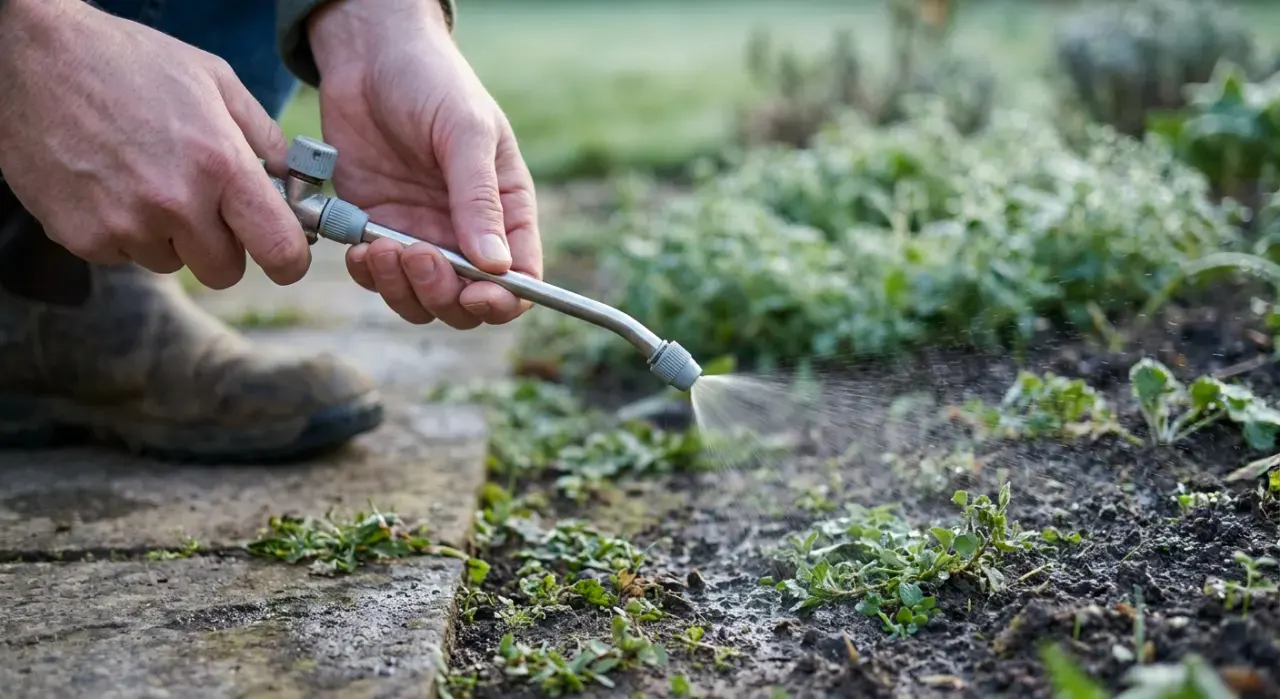
Unglamorous but highly effective. Two hours after dark, walk the garden with a flashlight and collect every snail you see, dropping them into a bucket of soapy water. On heavily infested plots this can remove hundreds in a session. Do it nightly for a week or two, especially after watering or rain when snails are most active, and the population drops sharply. Morning patrols work too, checking the undersides of leaves and the shelters described below.
Traps: beer and boards
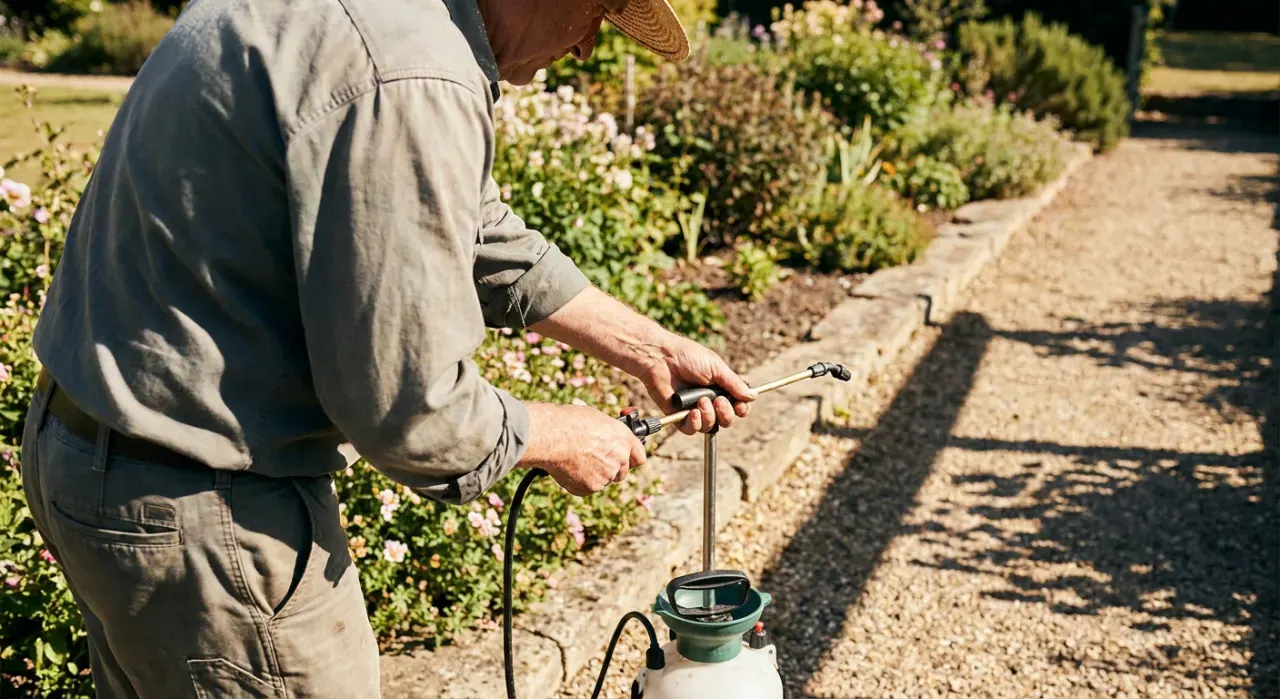
Two simple traps exploit snail behavior:
| Trap | How it works | How to use it |
|---|---|---|
| Beer trap | Yeast lures snails in; they fall in and drown | Sink a cup or shallow tub to soil level, fill with beer, refill every 1 to 2 days; use several |
| Board or pot trap | Snails shelter under it by day | Lay a wet board or upturned grapefruit rind out overnight; collect the snails hiding beneath each morning |
Beer traps only draw snails from a few feet away, so scatter several through the affected beds rather than relying on one. A mix of water, sugar, and a little yeast works as well as beer.
Barriers: copper and grit
Barriers protect specific plants and beds. Copper is the most reliable: a strip of copper tape or a copper band around a raised bed, pot, or tree trunk gives snails a mild electric-like reaction when their slime contacts it, and they turn back. Keep the barrier clean and unbridged by leaves or soil, or snails simply cross over. Sharp, dry materials — crushed eggshells, coarse grit, or diatomaceous earth — form a rougher barrier that deters crossing, though these lose effectiveness when wet and need reapplying after rain. Diatomaceous earth works by abrasion and desiccation; keep it dry and off flowers where pollinators forage.
Snail baits: choose iron phosphate
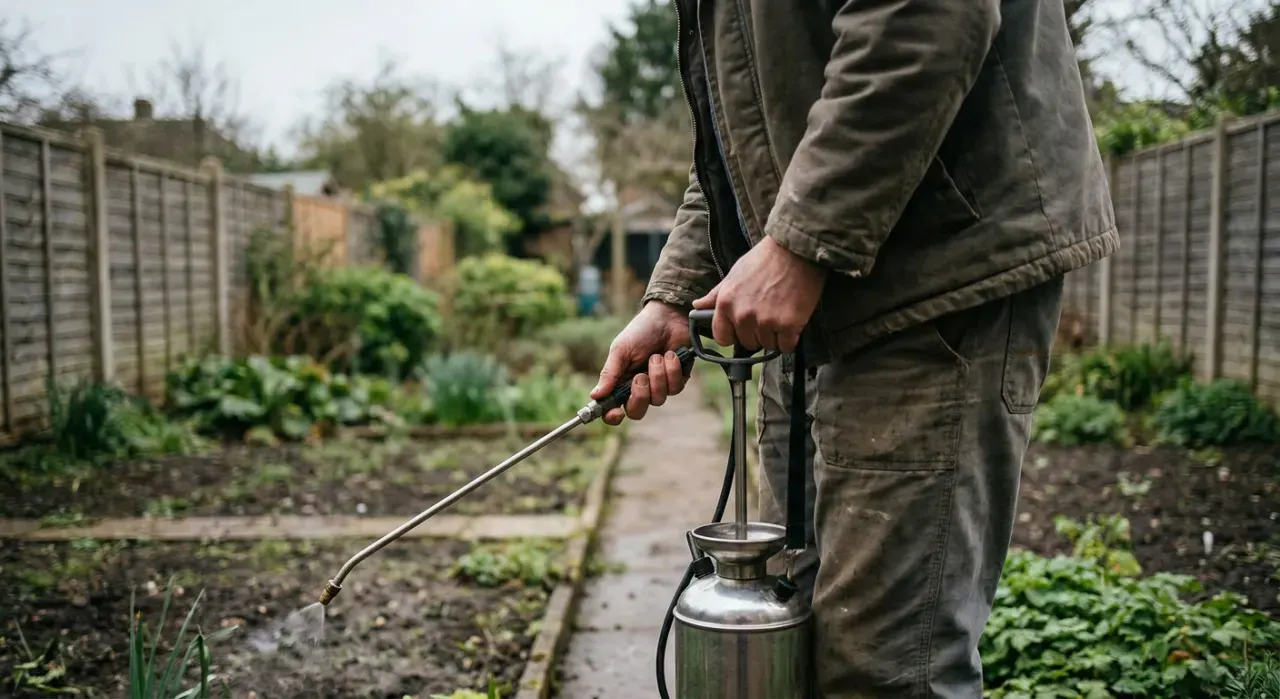
When you need to kill snails across a larger area, bait is the tool, and the choice of bait matters a great deal for safety. Iron phosphate baits (the active ingredient is ferric phosphate) are approved for organic gardening and are considered safe to use around pets, wildlife, and beneficial insects when used as directed; snails that eat the bait stop feeding and die within a few days, and any uneaten bait breaks down into soil nutrients. Scatter it thinly over the soil surface around vulnerable plants in the evening, and reapply after heavy rain. Avoid older metaldehyde baits, which are effective but toxic to dogs and other animals — the University of California IPM program specifically recommends iron phosphate as the safer choice for home gardens. For related soft-bodied garden pests, see how to get rid of slugs.
Remove the habitat that feeds snails
Long-term control is mostly about denying snails the damp shelter they need to survive the day and lay eggs.
- Clear debris — boards, bricks, pots, plant litter, and weeds — that give daytime cover.
- Water in the morning, not the evening, so the soil surface dries by nightfall when snails are active.
- Thin dense, low foliage and lift the lowest leaves off the soil to improve air flow and reduce humidity at ground level.
- Keep mulch pulled back a few inches from plant stems; thick mulch against stems is prime snail habitat.
- Encourage predators — birds, ground beetles, snakes, toads, and, if you keep them, ducks and chickens all eat snails.
Attack the population from several angles at once and you will get on top of it in a couple of weeks, then keep it down with habitat control. For other night-active and chewing pests see how to get rid of cutworms, and browse the full pest and weed control hub.