 Garden

Affiliate Disclosure
Some links on this page are affiliate links. As an Amazon Associate, we earn from qualifying purchases — at no extra cost to you. We do not buy, test, or physically handle the products we cover; our rankings come from aggregated owner reviews, ratings and expert consensus. Commissions never change our verdicts. How we rank · full disclosure.
There is no in-season cure for fusarium wilt — the real treatment is prevention. Fusarium wilt is a soilborne fungus (Fusarium oxysporum) that invades a plant's water-conducting tissue from the roots up, plugging it until the plant yellows, wilts and dies. Because it lives inside the plant and persists in soil for years, no spray or drench will save an infected plant; remove and dispose of it. The answer that actually works is resistant (VF or VFN) varieties, crop rotation, and clean soil or containers. Always follow any product label.
We do not test or physically handle the plants and products we cover; our guidance draws on horticultural extension research and the aggregated experience in thousands of owner reviews, as explained in how we rank.
What fusarium wilt is and how to confirm it
Fusarium wilt is caused by the soil fungus Fusarium oxysporum, which exists as many host-specialized strains (formae speciales) — one attacks tomatoes, another bananas, others melons, peas, basil, and a long list of flowers and vegetables. Each strain is fairly specific to its host group. The fungus enters through the roots, grows up into the xylem — the plumbing that carries water from roots to leaves — and blocks it, which is why the plant behaves as though it is dying of thirst even in moist soil.
The symptoms follow that internal blockage. You typically see yellowing and wilting that is one-sided — often a single branch, or one side of individual leaves, turning yellow while the rest still looks green. It progresses in warm weather, worsening through the heat of the day and sometimes recovering slightly overnight before the wilt becomes permanent. The definitive check is to cut a lower stem lengthwise with a clean knife and look at the tissue just under the skin: fusarium wilt leaves a distinct brown or reddish-brown streaking in the vascular ring. Whole-plant collapse follows, and in warm, moist conditions you may see pinkish or orange fungal growth on dead stems.
It thrives in warm soils and is worse in sandy, acidic ground and where the same susceptible crop is grown repeatedly. Root damage from nematodes or transplanting makes infection easier.
Ruling out what fusarium wilt is mistaken for
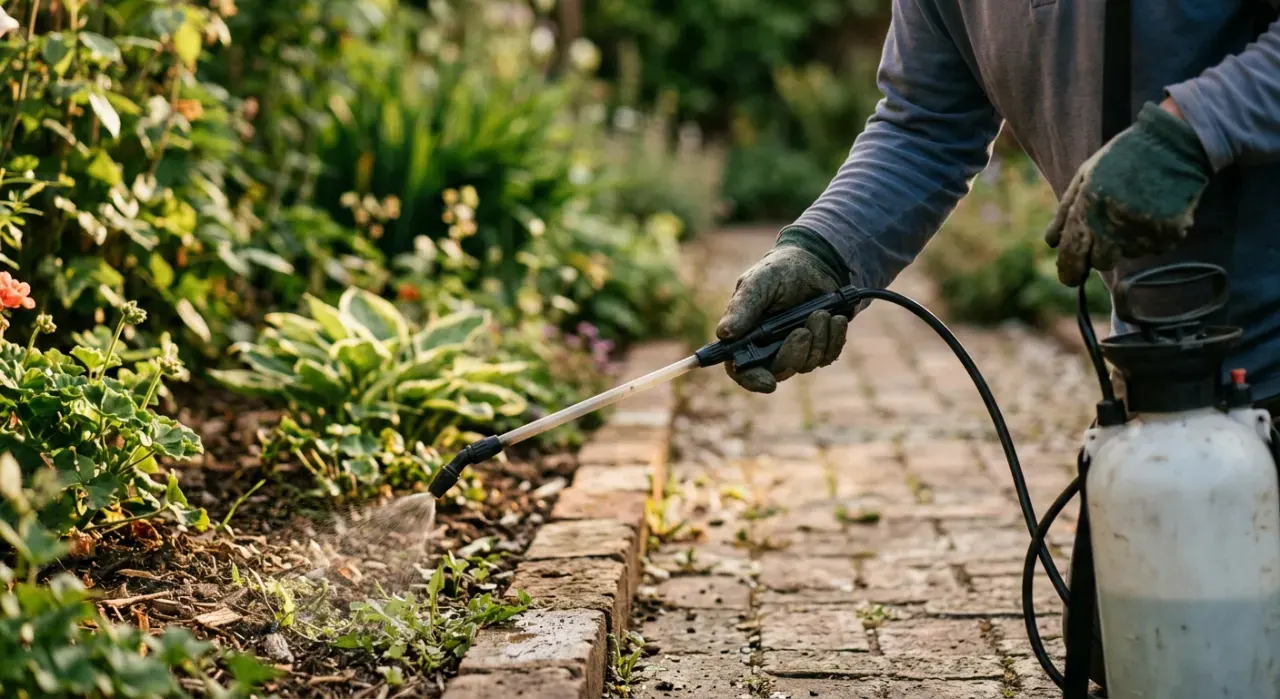
Several problems mimic fusarium wilt, and the response differs, so confirm before you act.
| Cause | Key sign | Recovers? | Response |
|---|---|---|---|
| Fusarium wilt | One-sided yellowing, brown streaks in stem, warm weather | No | Remove plant; use resistant varieties |
| Verticillium wilt | Brown streaks in stem, cooler conditions, often V-shaped leaf yellowing | No | Remove plant; resistant varieties |
| Underwatering / heat | Whole plant wilts, no stem streaking | Yes, after watering | Water and mulch |
| Root or stem rot | Mushy, dark base; soggy soil | No | Improve drainage |
The stem-cut test is the fastest home diagnostic: no internal streaking usually means a watering or root problem, not a vascular wilt. A plant lab can confirm and even identify the strain if you need certainty.
Treating a plant infected with fusarium wilt
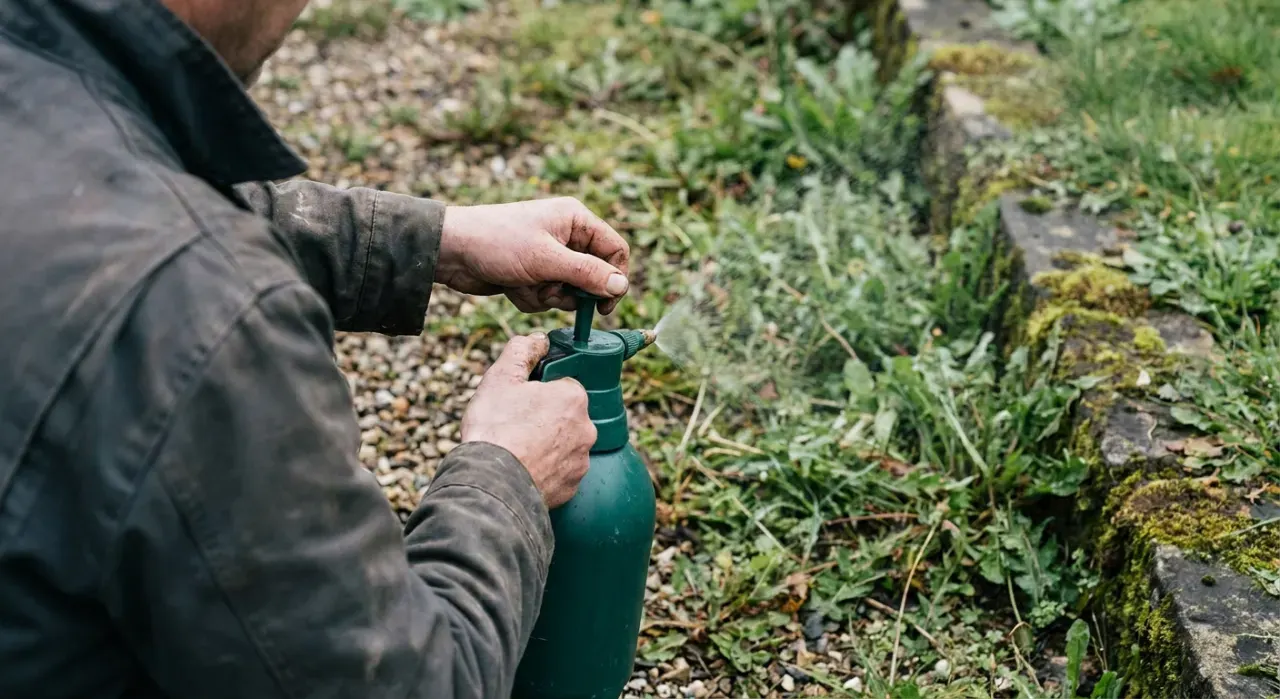
Because there is no cure, the "treatment path" here is about containing the disease and protecting the rest of the garden.
- Remove and dispose — Pull out infected plants promptly and bag them for disposal. Do not compost them; the fungus survives the process in many home piles.
- Clean up around them — Clear fallen debris, and disinfect tools, stakes and gloves that touched infected plants or soil so you are not carrying spores to clean beds.
- Contain the soil — Avoid moving soil from the affected area to clean parts of the garden, and clean boots after working the infested ground.
- Support any remaining plants — Keep survivors as unstressed as possible with steady moisture and mulch, but understand this only delays symptoms in an already-infected plant; it does not save one.
Notice there is no spray step. Fungicide labels for the garden do not list a curative use against fusarium wilt, because a foliar or soil application cannot reach the fungus inside the vascular system. Anyone selling you a "cure" is selling hope. Under FIFRA the label is the law, and it will not claim what the product cannot do — so believe the label over the marketing.
The real fix: resistant varieties and clean soil
Since you cannot cure it and cannot easily clear it from soil, you win by not letting it into the plant in the first place. Two levers do almost all the work.
Resistant varieties. Plant breeders have bred fusarium resistance into many crops. On a tomato label, look for the letters after the name: F means fusarium resistance, with FF and FFF indicating resistance to additional races, and V and N covering verticillium and nematodes. A VFN tomato will grow and yield in soil where a susceptible heirloom would die. Where fusarium has shown up in your garden, resistant varieties are the most dependable protection available.
Clean soil. If you want to grow susceptible favorites, keep their roots out of infested ground — large containers or raised beds filled with fresh, clean mix work well. Grafting a prized variety onto disease-resistant rootstock is another proven method that lets you keep the fruit you love while the roots resist the fungus.
Growing susceptible favorites in infested gardens
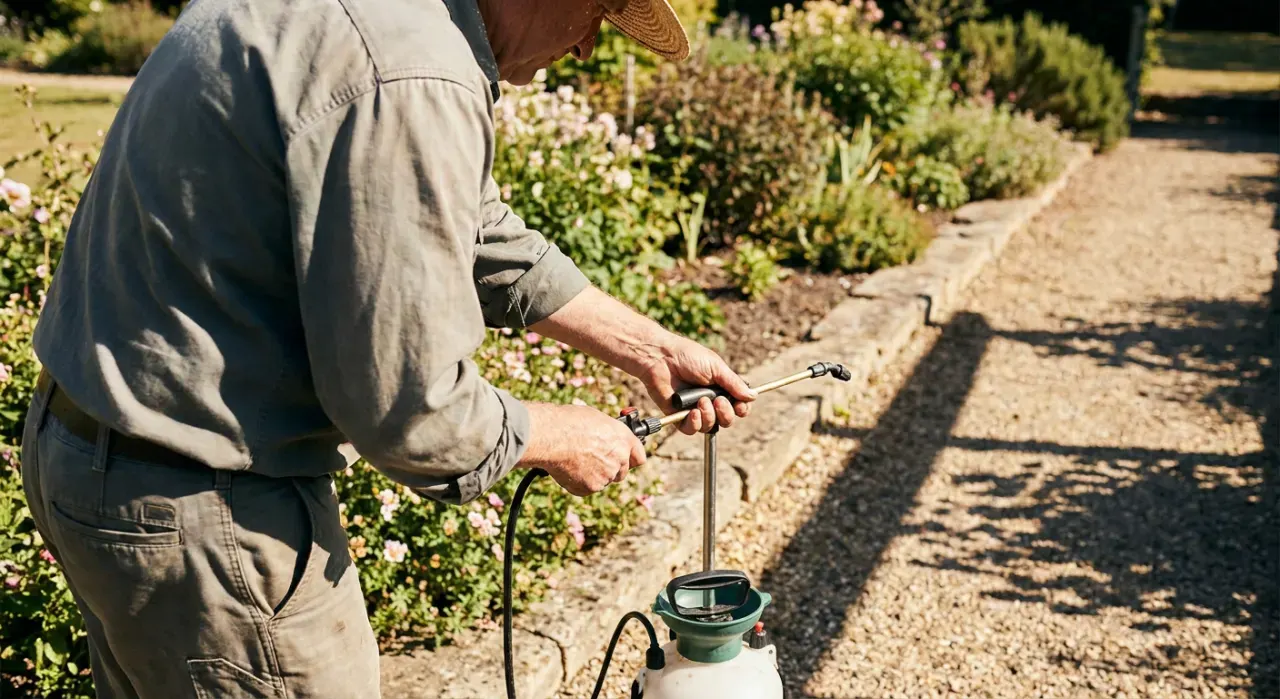
If fusarium has claimed a bed but you are not willing to give up a beloved heirloom tomato or a particular melon, you have two dependable ways to keep growing it without fighting the soil directly. The first is to lift the roots out of the infested ground entirely: grow in large containers or raised beds filled with fresh, clean potting mix, kept off the native soil. A big pot of clean mix, watered and fed consistently, lets a susceptible variety thrive a few feet from ground that would kill it.
The second route is grafting. Nurseries and seed suppliers offer disease-resistant rootstocks bred specifically to shrug off fusarium and other soil pathogens; a prized top variety grafted onto that rootstock gives you the fruit you want on roots the fungus cannot colonize. Grafted transplants cost more and take a little know-how to plant correctly — keep the graft union above the soil line so the susceptible scion never roots into the ground — but in badly infested gardens they are one of the most reliable ways to grow what you love. Either approach beats hoping a susceptible plant will somehow escape a fungus that is already in the soil.
Preventing fusarium wilt long-term
- Resistant (VF / VFN) varieties — the foundation of management wherever fusarium is present.
- Crop rotation — long rotations away from the susceptible crop slowly lower soil populations, though the fungus persists for years, so rotation alone is only partial.
- Soil solarization — covering moist soil with clear plastic through the hottest weeks can reduce populations near the surface in warm climates.
- Nematode control — reducing root-knot nematodes cuts the wounds fusarium uses to enter; N-rated varieties help here too.
- Sanitation — remove infected debris, disinfect tools, and avoid spreading contaminated soil.
- Good drainage and steady, non-excessive watering — reduce the plant stress that makes infection worse.
For the wilts and rots that get confused with fusarium, and for other soilborne problems, browse the Pest & Weed Control hub and see how to treat damping off, another soil fungus that resists a spray-based cure.
Related: Pest & Weed Control hub and how we rank.