 Garden

Affiliate Disclosure
Some links on this page are affiliate links. As an Amazon Associate, we earn from qualifying purchases — at no extra cost to you. We do not buy, test, or physically handle the products we cover; our rankings come from aggregated owner reviews, ratings and expert consensus. Commissions never change our verdicts. How we rank · full disclosure.
The best flooring for pets is luxury vinyl plank (LVP) for most homes, because it is waterproof, scratch and dent resistant, comfortable, and gives paws decent traction. Porcelain tile is the most bulletproof choice for very large dogs or wet climates, though it is hard and slippery without rugs. Waterproof laminate is the value middle ground. The floors to avoid with pets are solid hardwood, which scratches and stains from urine, and carpet, which traps odor and accidents permanently. Match the floor to your pet's size, claws, and accident risk.
We do not test flooring first-hand; the guidance here reflects aggregated owner reviews and expert consensus, the same approach described in how we rank.
What pet-friendly flooring actually needs
Before comparing materials, it helps to know what you are optimizing for. Pets stress a floor in four specific ways, and the best flooring handles all of them.
- Scratch resistance. Dog nails, and to a lesser extent cat claws, gouge soft surfaces. Large, active dogs are hardest on floors.
- Waterproofing. Accidents, water bowls, drool, and muddy paws all mean liquid on the floor. A waterproof surface resists staining and warping.
- Traction. Slick floors cause pets to slip, which is uncomfortable and can injure older dogs or those with joint issues.
- Cleanability and odor resistance. A floor that wipes clean and does not absorb odor, especially cat urine, saves endless work.
No floor is perfect at everything, so the right choice depends on your pet's size, claws, and accident risk, and on your climate and budget.

The pet flooring materials compared
Here is how the common flooring types stack up against what pets demand.
| Flooring | Scratch | Waterproof | Traction | Comfort | Pet verdict |
|---|---|---|---|---|---|
| Luxury vinyl plank | Very good | Yes | Good | Good | Best all-around |
| Porcelain tile | Excellent | Yes | Poor (needs rugs) | Hard, cold | Toughest, big dogs |
| Waterproof laminate | Very good | Water-resistant to waterproof | Good | Good | Best value |
| Sealed hardwood | Poor | No | Fair | Good | Cats OK, risky with dogs |
| Bamboo (strand) | Good | No | Fair | Good | Harder than oak, still not waterproof |
| Carpet | Fair | No | Excellent | Excellent | Traps odor, avoid |
The pattern is clear: waterproof, scratch-resistant hard surfaces win for pets, with the choice between them coming down to your pet's size and your tolerance for a hard, cold floor.
Luxury vinyl plank: the top all-rounder
Luxury vinyl plank earns its spot as the most-recommended pet flooring because it does everything reasonably well and nothing poorly. It is fully waterproof, so a bladder accident, a knocked-over water bowl, or muddy paws wipe up with no lasting damage. It resists the scratches dog nails inflict on hardwood. And its slight give makes it warmer, quieter, and better for traction than tile, which matters for a dog lying on it all day and for an older dog's joints.
When choosing LVP for pets, look for a thicker wear layer (measured in mils) for the best scratch resistance, and consider a rigid-core SPC line for very heavy dogs, which resists denting. LVP is also DIY-friendly and mid-priced, which broadens its appeal.

Porcelain tile: the bulletproof choice
If your priority is a floor that essentially cannot be scratched or water-damaged, porcelain tile is unbeatable. It shrugs off claws, standing water, and mud, and it wipes and disinfects easily. For very large or heavy dogs, homes in wet or muddy climates, and mudroom or entry zones, tile is the most durable option there is.
The trade-offs are comfort and traction. Tile is hard and cold, which pets dislike for lounging, and it can be slippery, causing dogs to slide. Both are fixable with area rugs and washable runners in the paths pets use. One caution: grout lines can absorb urine odor if they are not sealed, so seal the grout and clean accidents promptly.
Waterproof laminate: the value pick
Laminate offers hardwood looks and good scratch resistance at a lower price, which makes it attractive for pet homes on a budget. The catch is water: standard laminate is only water-resistant, and liquid sitting in the seams can swell the boards. The solution is a waterproof laminate line rated for wet areas, which closes most of the gap with vinyl.
For a home with pets that rarely have accidents, and where spills get wiped promptly, waterproof laminate is a sensible, affordable choice. For a home with frequent accidents or a puppy in training, luxury vinyl's true waterproofing is the lower-worry option.
What flooring to avoid for pets, and the exceptions
Two popular floors are poor matches for most pet homes.
- Solid hardwood scratches easily under dog nails and stains or warps when urine sits on it, since it is not waterproof. Cats, being lighter and less prone to gouging floors, do less damage, so sealed hardwood can survive a cat household, but any liquid left to sit still harms it. Harder species and strand bamboo resist scratches better than oak but remain non-waterproof.
- Carpet is the worst overall for pets. It traps odor, holds stains even after cleaning, and absorbs cat urine permanently. It does offer the best traction and comfort, so a washable area rug over a hard floor is a better compromise than wall-to-wall carpet.
If you have hardwood you want to keep, keeping nails trimmed and cleaning accidents immediately with an enzyme cleaner extends its life.
Matching the flooring to your pet
The best choice shifts with what kind of pet you have.
| Situation | Best choice | Why |
|---|---|---|
| Large or heavy dog | Porcelain tile or rigid-core LVP | Maximum scratch and dent resistance |
| Medium dog, some accidents | Luxury vinyl plank | Waterproof, comfortable, scratch resistant |
| Cats only | LVP, tile, or sealed hardwood | Claws do less floor damage; prioritize easy cleaning |
| Senior pet with joints | LVP or laminate with rugs | Traction and cushioning matter most |
| Tight budget | Waterproof laminate | Durability at lower cost |
Keeping any pet floor looking good
Flooring is only half the battle; keeping it clean is the other half, and pets create constant work.
- Clean accidents fast with an enzyme cleaner, which breaks down odor compounds instead of masking them, the only reliable fix for cat urine. See the ranked field in best enzyme cleaner for pet stains.
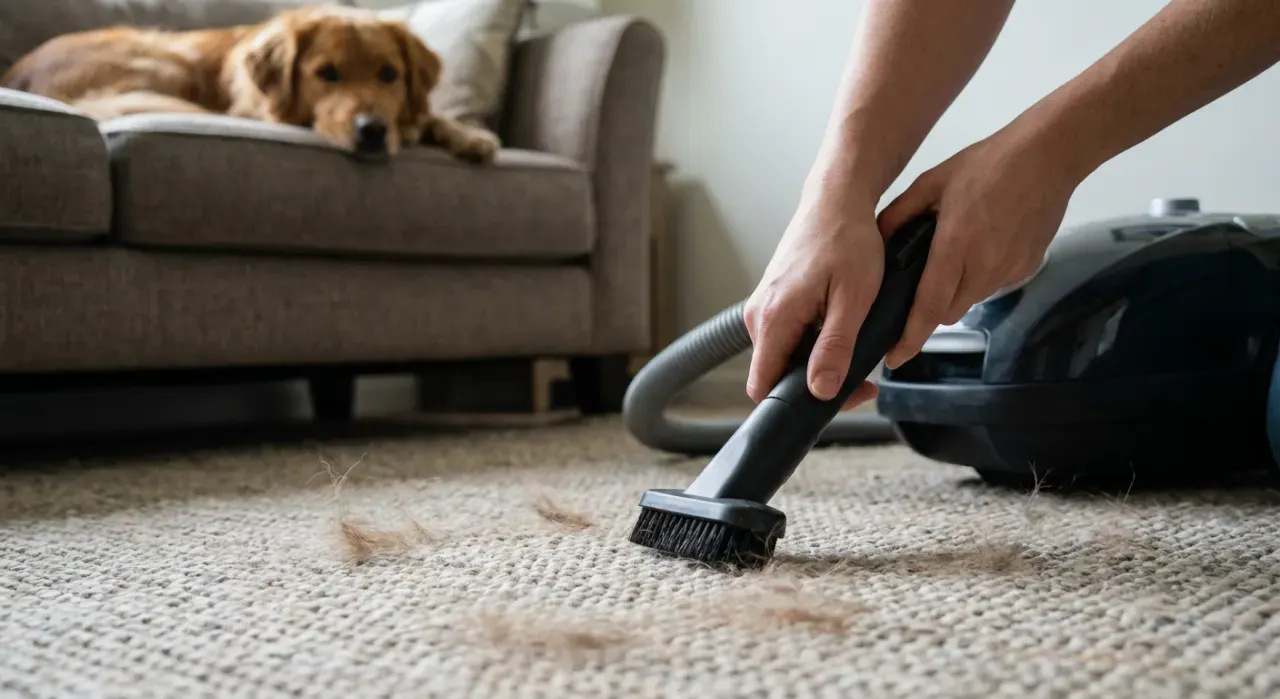
- Stay ahead of hair, which collects in every corner of a hard floor. A robot vacuum built for pet hair keeps it under control on hardwood and vinyl; see best robot vacuum for pet hair and, for hardwood specifically, best robot vacuum for pet hair on hardwood.
- Trim nails regularly to reduce scratching on any surface.
- Add washable rugs in high-traffic paths and near food and water for traction and spill control.
Choose a waterproof, scratch-resistant floor matched to your pet, keep on top of accidents and hair, and your home stays both pet-friendly and good-looking. For more on living well with animals indoors, the pets at home hub collects every related guide and product pick.