 Garden

Affiliate Disclosure
Some links on this page are affiliate links. As an Amazon Associate, we earn from qualifying purchases — at no extra cost to you. We do not buy, test, or physically handle the products we cover; our rankings come from aggregated owner reviews, ratings and expert consensus. Commissions never change our verdicts. How we rank · full disclosure.
A pleated hot tub filter cartridge lasts 12 to 24 months, or about 12 to 25 cleaning cycles, whichever comes first. Cartridge manufacturers including Pleatco and Unicel put the working life of their spa media at roughly one to two years under normal residential use. Heavy bather loads, lotions and hair products cut that to 6 to 12 months. What actually ends a cartridge is not dirt but fatigue: the pleats lose their spring, the media takes a permanent set, and cleaning no longer restores flow. Rinse every two weeks, deep soak quarterly, replace when a soak stops working.
What is the cleaning schedule that gets you two years?
Filter life is a function of maintenance far more than time. A cartridge rinsed every two weeks and chemically soaked every three months routinely reaches 18 to 24 months. The same cartridge in a tub where it is pulled out twice a year is finished inside a year, because oils that sit in the media polymerize and stop coming out. Three levels of cleaning do three different jobs.
| Task | Frequency | Method | What it removes |
|---|---|---|---|
| Hose rinse | Every 1 - 2 weeks | Garden hose, fan nozzle, work between every pleat | Hair, lint, loose debris |
| Chemical soak | Every 3 months | Overnight in spa filter cleaner, rinse thoroughly, dry | Body oils, lotions, sunscreen, deodorant |
| Acid soak | Annually in hard water | Diluted acid rinse after the degreaser, never before | Calcium scale in the media |
| Replace | 12 - 24 months | New cartridge, date written on the end cap | Nothing else will |
One detail matters more than the rest: after any chemical soak, rinse until no foam appears, then let the cartridge dry completely before it goes back in. A wet cartridge returned to the tub carries detergent residue that causes the foaming owners then blame on their sanitizer.
Why do two cartridges last longer than four?
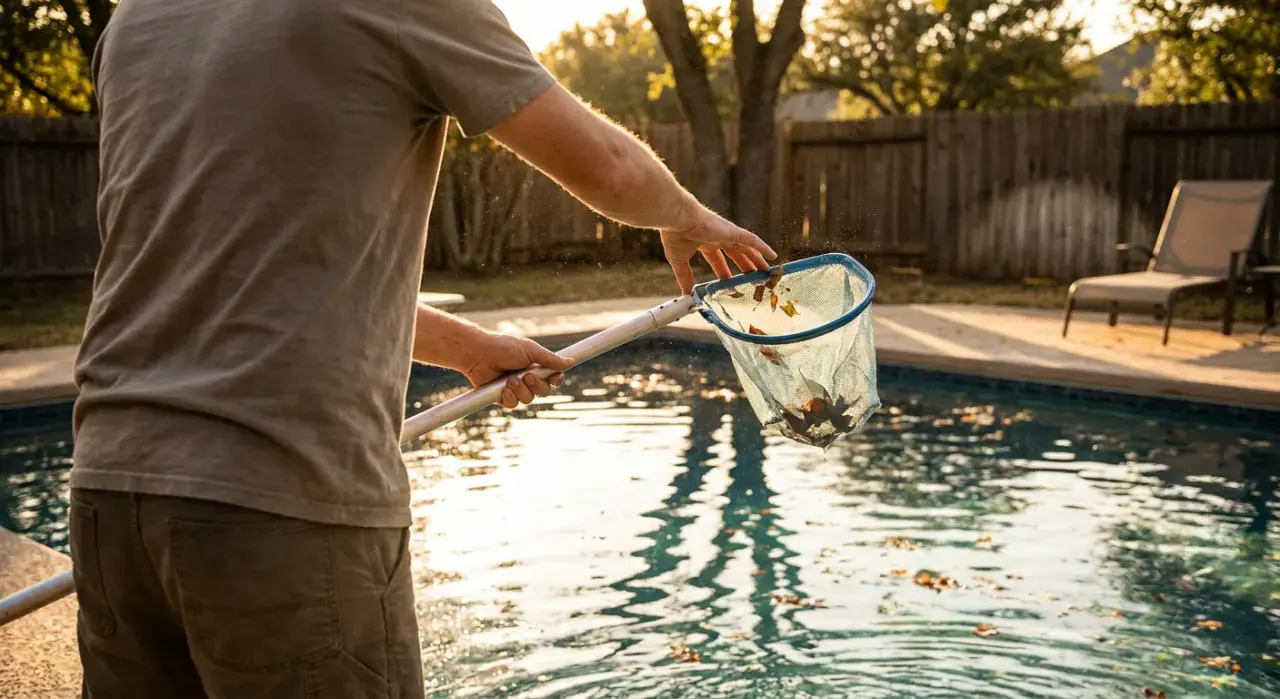
Because drying time is what does the deep cleaning. Buy a second identical cartridge, run one while the other sits clean and fully dry for two weeks, and swap at each rinse. Drying causes the residual organic film to become brittle and flake off at the next rinse instead of staying embedded, and the pleats recover their shape without water weight holding them flat. Owners who rotate a pair commonly get two full years from each, which means two cartridges cover four years where four single cartridges bought in sequence would have covered three. It also means the tub is never running on a soaking-wet filter, which is the usual reason people skip cleaning entirely.
How much does bather load change the interval?
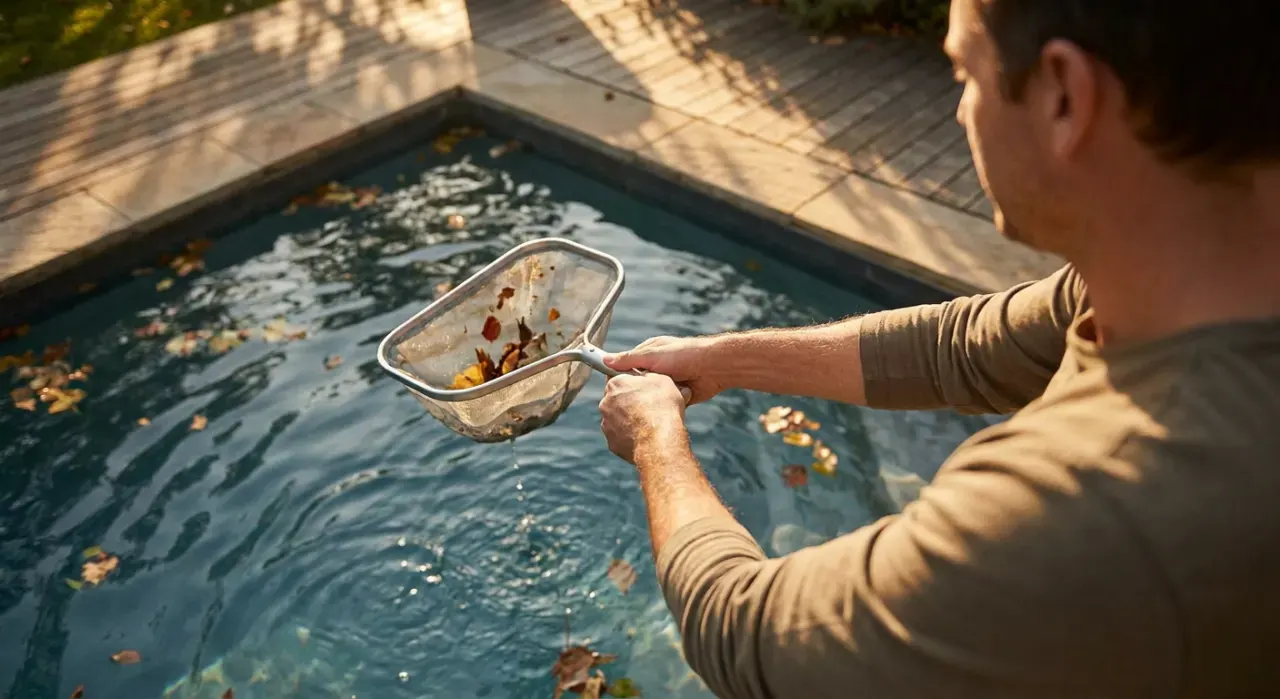
A great deal. The load on a spa filter is not measured in gallons, it is measured in people per gallon of water. A 350-gallon tub used by four adults for an hour has roughly the same organic load as a 20,000-gallon pool with a small party in it, which is why spa water goes off so much faster than pool water. Lotions, hair conditioner, deodorant, fake tan and detergent residue in swimwear are the main offenders, and all of them end up in the pleats.
| Use pattern | Rinse | Deep soak | Expected filter life |
|---|---|---|---|
| Couple, 2 - 3 soaks a week | Every 2 weeks | Every 3 months | 18 - 24 months |
| Family of four, most days | Weekly | Every 6 - 8 weeks | 9 - 15 months |
| Frequent guests, heavy use | Weekly | Monthly | 6 - 12 months |
| Inflatable spa, small filter | Weekly | Not practical | 4 - 8 weeks per cartridge |
| Seasonal, used a few weeks a year | Before and after use | End of season | 3 - 4 years |
Inflatable spas are the exception that surprises people. Their cartridges are small, thin and cheap by design, and they are consumables measured in weeks rather than years. Budget for a pack of them, not for one. The energy side of running an inflatable is covered in how much electricity an inflatable hot tub uses per month.
How do I know a filter is finished rather than just dirty?
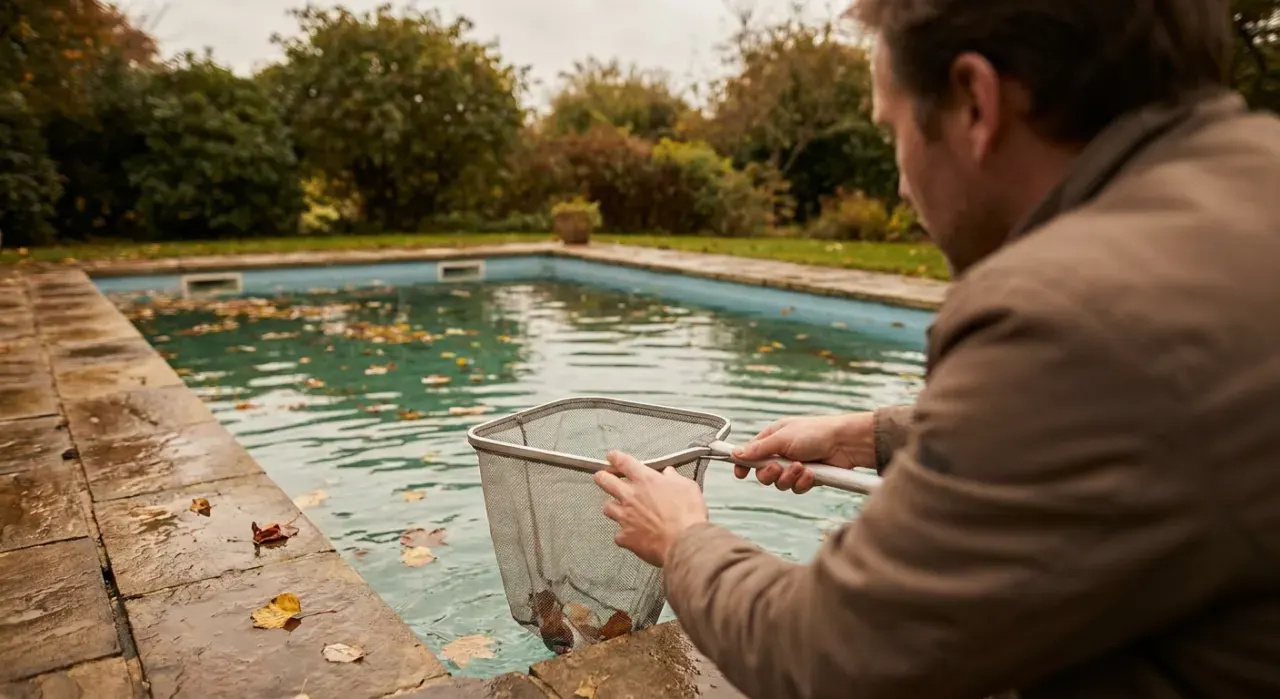
Four signs, in the order they usually appear. First, a soak that used to restore flow no longer does, and the jets are visibly weaker a week after cleaning. Second, the pleats will not stand up. Squeeze a section and let go, and if it stays flat the media has taken a permanent set and lost its usable surface area. Third, the fabric shows gray-brown staining deep in the fold that no cleaner touches, which is polymerized oil. Fourth, physical damage: a cracked end cap, a split seam, or pleats that have torn away from the core.
Any one of those and the cartridge is done. Running a spent filter costs more than replacing it, because the pump works harder against restriction, the heater cycles longer, and you compensate for poor filtration with extra sanitizer.
Does changing the water more often extend filter life?
Yes, meaningfully. Every drain and refill resets dissolved solids and removes the accumulated organic load that would otherwise land in the media. Tubs on a disciplined three-to-four month drain schedule consistently get longer filter life than tubs run six or eight months between changes. The two maintenance jobs are linked, and the drain interval that fits your actual bather load is worked out in how often you should change hot tub water. Keeping the water in balance helps too, particularly pH, since scale forming in the pleats is far harder to remove than oil.
We never buy, test or physically handle the products we rank. Recommendations come from aggregated owner reviews, star ratings, review volume and expert consensus — see how we rank.
More from this hub: Pools & Spas · Best inflatable hot tubs · Hot tub temperature · Hot tub running cost · How we rank