 Garden


Affiliate Disclosure
Some links on this page are affiliate links. As an Amazon Associate, we earn from qualifying purchases — at no extra cost to you. We do not buy, test, or physically handle the products we cover; our rankings come from aggregated owner reviews, ratings and expert consensus. Commissions never change our verdicts. How we rank · full disclosure.
On a single charge, an 18V or 20V drill with a 2.0Ah battery gives roughly 45 to 90 minutes of mixed drilling and driving, or about 200 to 300 short screws; a 5.0Ah pack runs about two and a half times longer. Over its service life the same battery lasts three to five years, or 300 to 500 full charge cycles, before capacity drops noticeably. Heavy work such as 3 inch deck screws, large spade bits and hole saws cuts runtime dramatically — sometimes to a quarter of the light-duty figure.
How much runtime does each battery size give?
Amp-hours scale runtime almost linearly, so the arithmetic is straightforward. These are realistic homeowner figures on an 18V or 20V-max brushless drill; brushed motors deliver noticeably less from the same pack.
| Pack | Mixed work | 1-1/4 in screws | Weight added |
|---|---|---|---|
| 1.5–2.0 Ah | 45–90 min | ~200–300 | Lightest, best for overhead |
| 3.0 Ah | 70–140 min | ~350–500 | Good balance |
| 4.0–5.0 Ah | 2–4 hr | ~500–800 | Noticeably heavier, longer base |
| 6.0 Ah and up | 3–5 hr | ~800+ | Bulky for a drill; better on saws |
Two things change these numbers more than the pack does. Fastener length is the big one — a 3 inch structural screw can draw ten times the energy of a 1-1/4 inch screw. Material is the other: hardwood, engineered lumber and pressure-treated stock all cut runtime substantially against pine.
What drains a drill battery fastest?
Anything that makes the motor work near stall. Large spade bits and hole saws are the worst offenders, since the tool spends most of the cut near maximum torque with poor cooling. Long fasteners without pilot holes are next, followed by mixing paddles in thinset or paint, and drilling masonry on the hammer setting. Two habits waste a surprising amount of charge: leaving the drill in high gear for driving, which forces the motor to work harder than the low range would, and forcing the tool rather than letting the bit cut. Drilling a pilot hole first often saves more battery than it consumes.

How many years should a pack last?
Three to five years of regular use, and often six or seven for occasional homeowner use, since the limiting factor becomes calendar aging rather than cycle count. Lithium-ion packs degrade fastest when stored hot and at full charge, which describes a battery left on a charger in an uninsulated garage — a very common arrangement, and one that owners repeatedly link to packs that die in year three. Storing at 40 to 60 percent charge in a cool indoor space is the single most effective thing you can do. Full detail is in how long power tool batteries last.
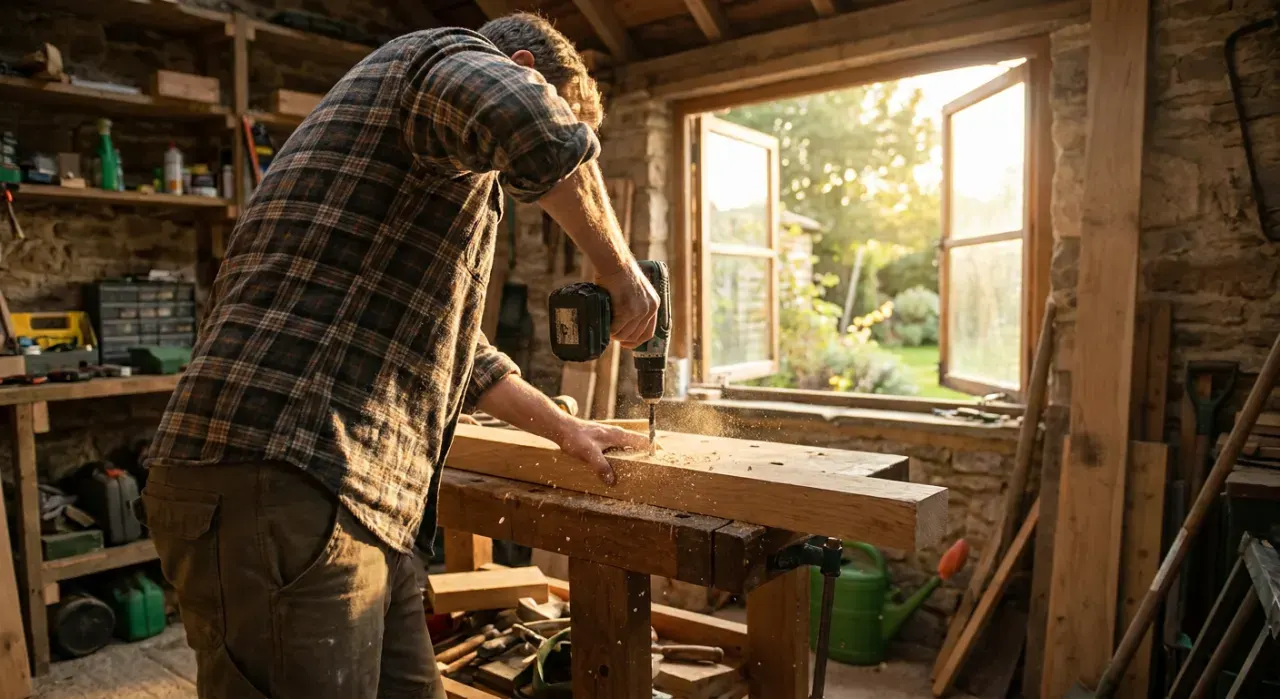
How do you know a pack is failing?
- Runtime roughly halved against when it was new, on the same kind of work.
- Full gauge, instant shutdown under load — the signature of one degraded cell hitting its cutoff.
- Running hot during work the pack used to handle without warming.
- Charger rejects it or cycles a fault light rather than completing a charge.
- Any swelling or a cracked case — retire it immediately and recycle it properly.
The EPA advises taking lithium-ion batteries to a specialized recycler or retail take-back program rather than putting them in household trash or curbside bins, because damaged cells start fires in collection vehicles. Most home centers accept them at no charge.
Where to go next
If you are choosing a tool and platform, our ranked best cordless drills compares current models on aggregated owner ratings and recurring complaints, and what to look for in a cordless drill covers the specs that matter. The motor question is in brushless vs brushed, and battery care in how long power tool batteries last. Everything sits under the power tools and workshop hub.
We never buy or physically handle the tools we rank — our recommendations come from aggregated owner reviews and expert consensus, and the method is on how we rank.