 Garden


Affiliate Disclosure
Some links on this page are affiliate links. As an Amazon Associate, we earn from qualifying purchases — at no extra cost to you. We do not buy, test, or physically handle the products we cover; our rankings come from aggregated owner reviews, ratings and expert consensus. Commissions never change our verdicts. How we rank · full disclosure.
Most corded circular saws draw between 10 and 15 amps, and the standard full-size 7-1/4 inch saw is almost always rated at 15 amps — the maximum a typical 120-volt household circuit supplies under the National Electrical Code. Smaller, lighter-duty saws pull around 10 to 13 amps. The amp rating on the nameplate is a good proxy for motor power: a 15-amp saw resists bogging down in thick or dense material. Because it runs near a circuit’s ceiling, startup surge and shared circuits are the usual reasons one trips a breaker.
Typical amp draw by saw
| Saw type | Amp rating | Notes |
|---|---|---|
| Full-size corded 7-1/4" | 15 A | The standard; most powerful corded class |
| Compact / lighter corded | ~10–13 A | Lighter work, more portable |
| Cordless | Rated in volts + amp-hours | Not directly comparable to corded amps |
The 15-amp figure is not a coincidence — it is deliberately matched to what a standard household circuit can deliver, which is why full-size saws cluster there.
What the amp rating tells you
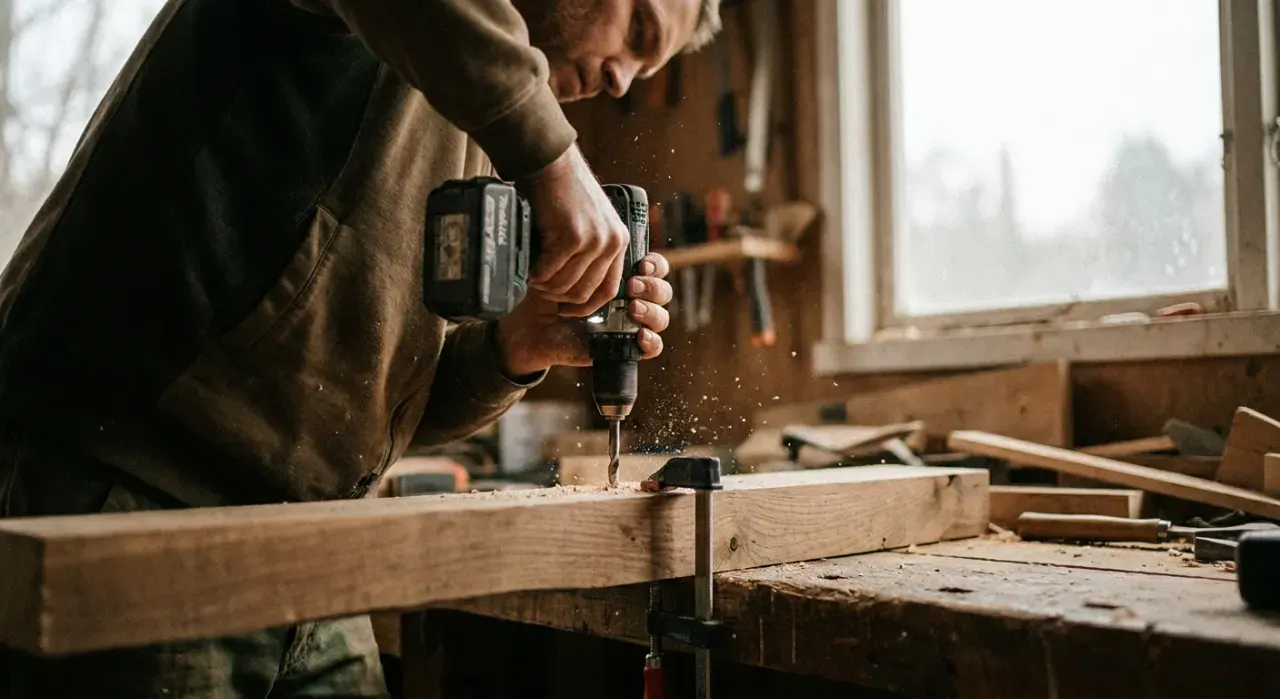
For a corded saw, amperage is a practical measure of how much power the motor can pull, and therefore how hard the saw can work before it slows down. A 15-amp saw has more headroom to cut thick, dense or damp lumber without bogging, which is why demanding work favors it. Amps are not the whole story — blade sharpness, motor design and overall build quality all shape performance — but among corded saws the amp rating is the single number that best reflects cutting muscle. For most homeowners a 15-amp corded saw, or a strong cordless equivalent, covers typical cuts comfortably.
Startup surge and breaker trips
Because a 15-amp saw runs close to a 15-amp circuit’s limit, it has little spare capacity, and two things push it over. First, inrush: at the instant the motor starts it briefly draws more than its running amperage, and that spike can trip a 15-amp breaker, particularly if lights or another tool share the circuit. Second, cutting load: forcing a cut or running a dull blade raises the draw. The fixes are simple — let the blade reach full speed before entering the wood, keep the saw on a circuit to itself, and use a sharp blade with a steady feed rate.
Extension cords and voltage drop
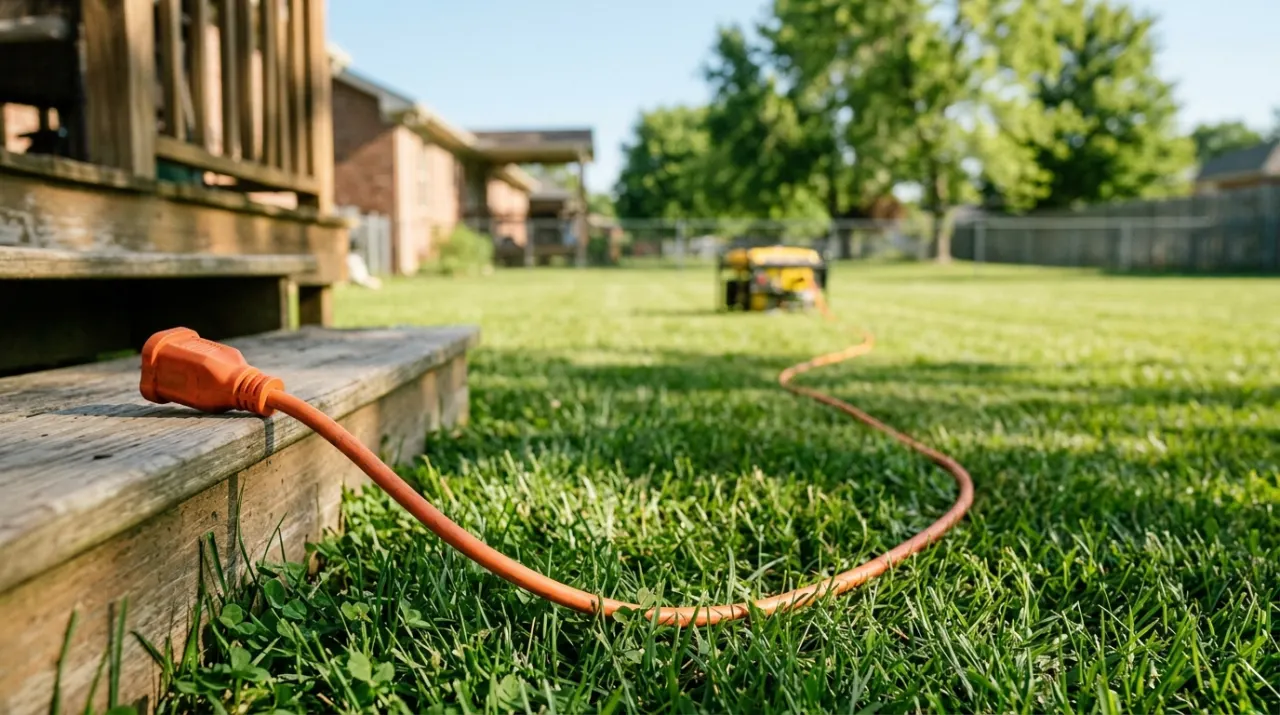
A high-amp saw is sensitive to cord choice. Use a heavy-gauge (lower-AWG) cord rated for the saw’s amperage at the length you need, and keep it as short as practical. A cord that is too thin or too long causes voltage drop, which forces the motor to draw more current, run hotter — the CPSC's home electrical safety checklist makes the same point about undersized cords and overloaded outlets, lose cutting power and potentially trip breakers. Check the cord’s amp rating for its length against the saw’s draw, follow the manufacturer’s recommendation, and plug directly into the outlet when you can. This is the same voltage-drop issue that affects table saws and other high-draw tools.
How cordless compares
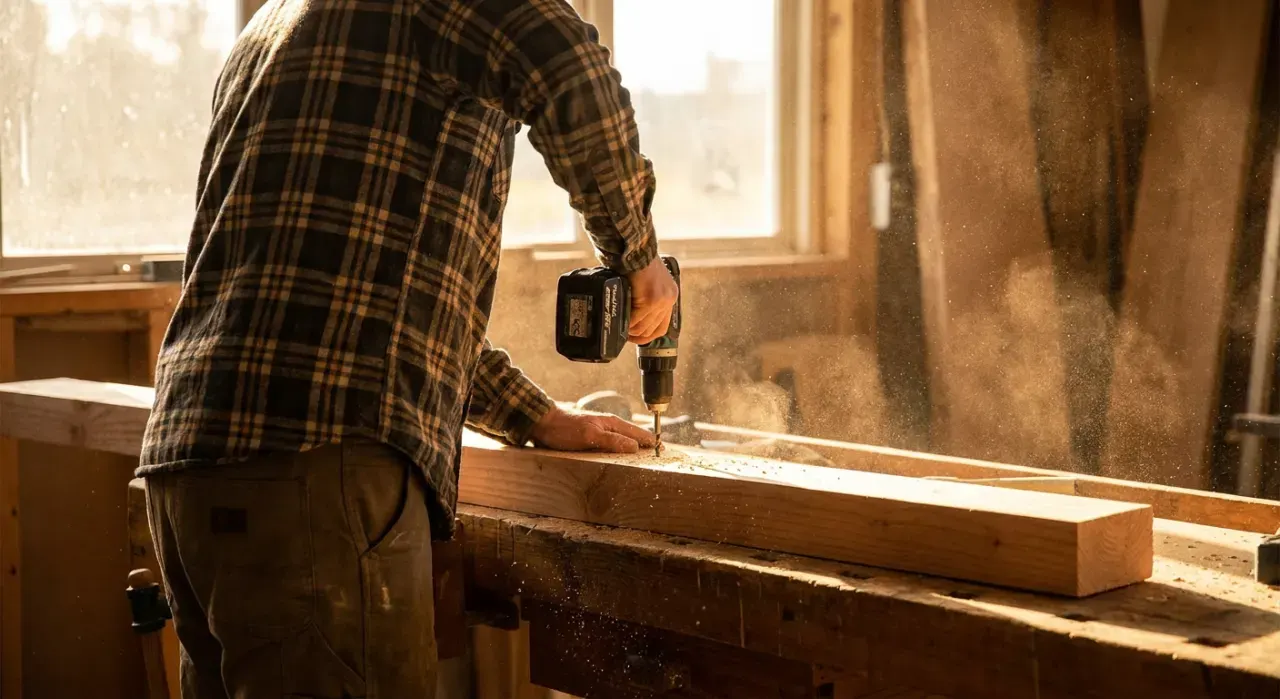
Cordless saws don’t list a corded-style amp draw; they are rated in volts and amp-hours. Voltage relates to power delivery and amp-hours to runtime, so a high-voltage saw with a large-capacity battery can rival a corded saw’s cutting ability while the amp-hours tell you how long it lasts per charge. When comparing cordless models, read voltage and amp-hours together; when comparing corded models, the motor’s amp rating remains the figure that reflects cutting power.
Where to go next
The circuit side of this pairs with whether you can run a table saw on a 15-amp circuit. Shopping for a saw? The best circular saws ranks corded and cordless models on the ratings and complaints owners report. Everything sits under the power tools and workshop hub.
We never buy or physically test the products we rank — recommendations come from aggregated owner reviews and expert consensus, and the method is on how we rank. Check your saw’s nameplate for its exact amp rating.