 Garden

Affiliate Disclosure
Some links on this page are affiliate links. As an Amazon Associate, we earn from qualifying purchases — at no extra cost to you. We do not buy, test, or physically handle the products we cover; our rankings come from aggregated owner reviews, ratings and expert consensus. Commissions never change our verdicts. How we rank · full disclosure.
Grow bags sitting on soil, grass, gravel or mulch need no saucer at all — free drainage and airflow underneath is exactly what fabric containers are designed for. Saucers become necessary on a wood deck, a patio, a balcony or an indoor floor, where seepage stains the surface and standing damp does real damage. Even there, do not stand the bag directly in a flat saucer of water: use a tray with a raised grid, a layer of pebbles, or a set of pot feet, so the base of the bag sits above the collected water rather than wicking it back up.
Where does a saucer help and where does it hurt?
| Bag sits on | Saucer? | What to use |
|---|---|---|
| Open soil, lawn or mulch | No | Nothing; set it straight down |
| Gravel or decomposed granite | No | A paver only if roots are escaping |
| Concrete patio or pavers | Optional | Pot feet to prevent staining |
| Wood deck | Yes | Deep tray plus feet or a plant caddy |
| Balcony | Yes | Contained tray; check the weight limit |
| Indoor floor or carpet | Yes | Waterproof tray with a pebble layer |
Why does a flat saucer defeat the point of a fabric bag?
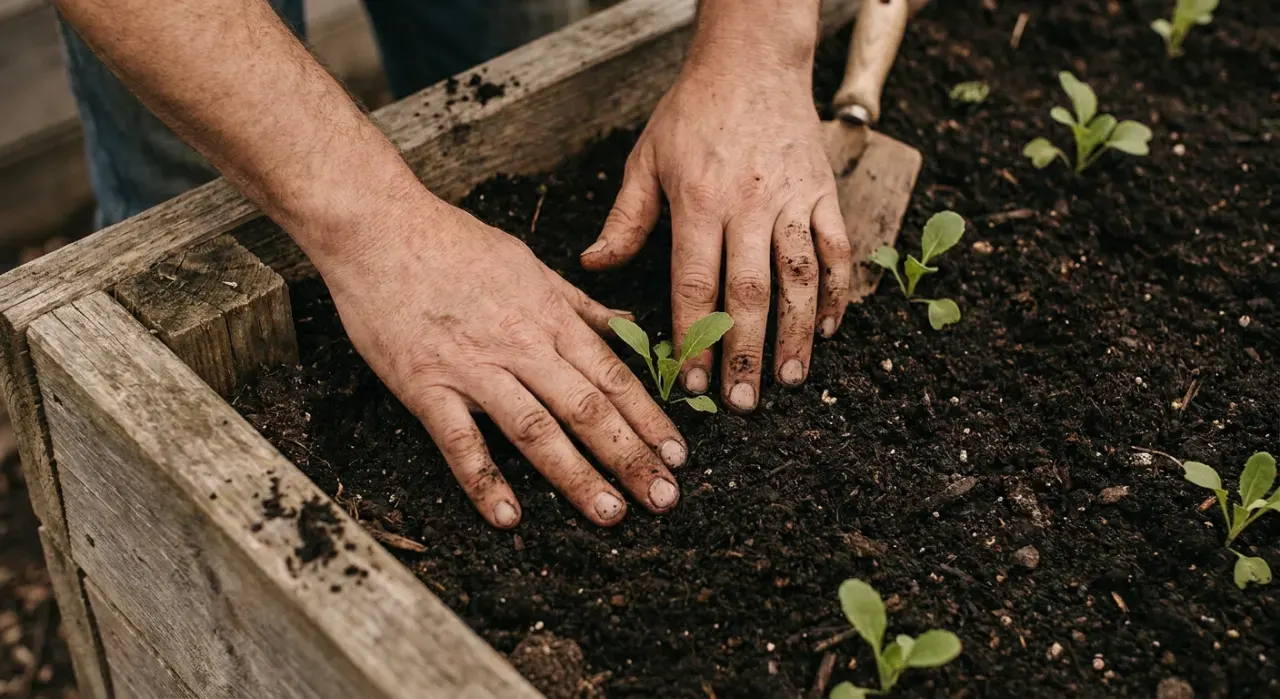
The entire reason to grow in fabric rather than plastic is air. When a root tip reaches the fabric wall and meets dry air, it stops elongating and the plant branches behind that point, a process called air pruning. Instead of the circling, girdling root mass a plastic pot produces, you get a dense, fibrous system. That only happens where air can reach the fabric.
Set the bag in a saucer holding an inch of water and the bottom two or three inches of mix wick it straight back up, permanently. That lower zone stays saturated, it loses its air-filled porosity, and it becomes the anaerobic layer where pythium and other water molds get a foothold. You have converted the most aerated container available into a poorly drained one. Raising the bag half an inch above the water line preserves both functions: the tray catches the seepage, and the fabric still breathes.
What should you actually put underneath?
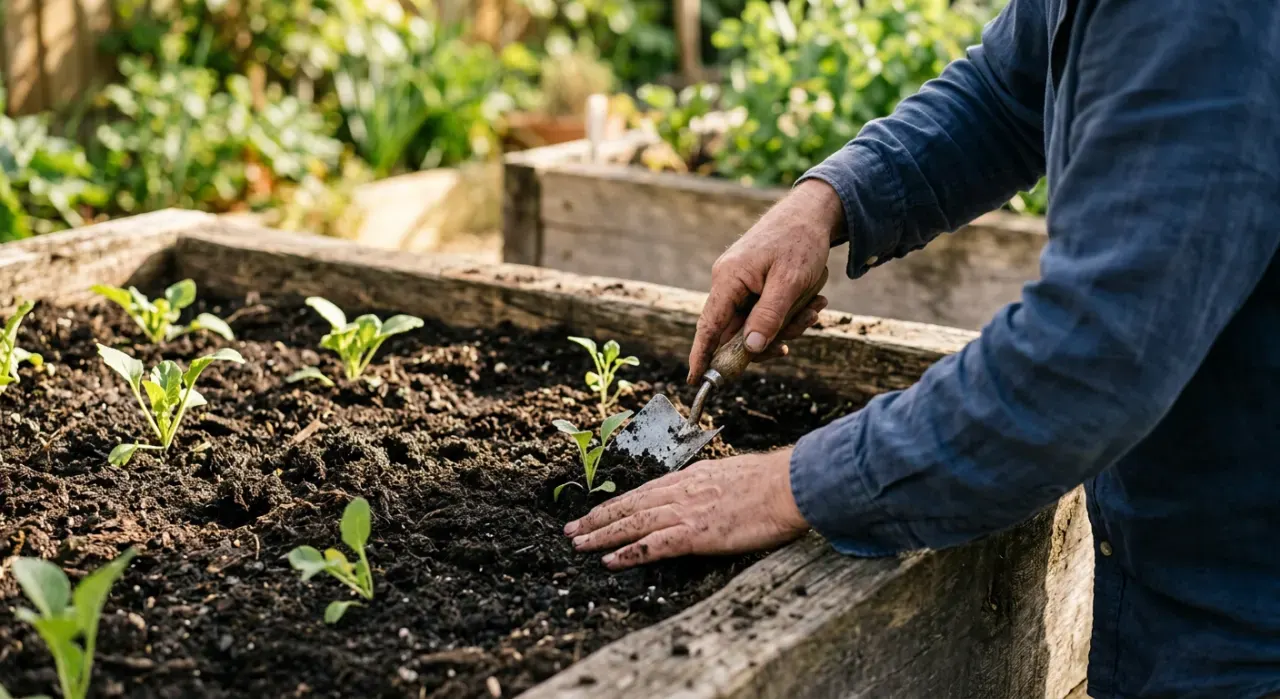
- A deep plant tray plus pot feet or wood blocks. The cheapest reliable arrangement. Two bricks laid flat under a 10-gallon bag lifts it clear and costs almost nothing.
- A pebble tray. Fill a shallow tray with an inch of gravel and set the bag on top. Water collects below the stone line; indoors this also raises local humidity, which houseplants appreciate.
- A rolling plant caddy. Worth it for anything over 10 gallons, because a watered bag that size is heavy enough to be awkward, and dragging a full fabric bag across concrete abrades the base and shortens its life.
- A slatted wooden pallet or a wire rack. For a whole row of bags on a patio, this is the tidiest solution — full airflow, no individual saucers, and no dark rings on the pavers.
Anything different for indoor bags?
Two things. Use a genuinely waterproof tray with a lip, not a thin plastic plate, because fabric bags weep steadily rather than in one draining rush and a shallow saucer overflows before you notice. And expect to water more often than the same plant in a plastic pot: the sidewall evaporation that keeps roots healthy also raises water demand noticeably in dry indoor air, which is the standard trade-off with fabric. On plant selection and general fabric behavior, grow bags versus plastic pots lays out where each container wins.
For fill, see what to fill grow bags with, and for lifespan — which is partly a function of what the bag sits on — see how long do fabric grow bags last. Our best grow bags roundup notes which models ship with handles solid enough to lift a full bag onto a tray without the seams complaining.
We never buy, test or physically handle the products we rank. Recommendations come from aggregated owner reviews, star ratings, review volume and expert consensus — see how we rank.
More from this hub: Raised Beds & Planters · Best grow bags · Grow bags vs plastic pots · Raised beds on concrete · How we rank