 Garden
Affiliate Disclosure
Some links on this page are affiliate links. As an Amazon Associate, we earn from qualifying purchases — at no extra cost to you. We do not buy, test, or physically handle the products we cover; our rankings come from aggregated owner reviews, ratings and expert consensus. Commissions never change our verdicts. How we rank · full disclosure.
Planning a fall garden means mapping which summer beds will open up, refreshing them, and slotting in cool-season vegetables — kale, spinach, broccoli, carrots, beets and lettuce — timed by counting back from your first frost, with the hardiest crops grouped for easy frost protection. The fall garden is largely a planning exercise done in summer: it follows the summer crops into the same beds. This guide covers layout, the summer-to-fall hand-off, rotation, bed prep, and frost-protection design, with zone timing and soil temperatures in °F.
We do not test or physically handle the plants and products we cover; our guidance draws on horticultural extension research and the aggregated experience in thousands of owner reviews, as explained in how we rank.
Plan the fall garden in summer
The paradox of fall gardening is that its planning and planting happen in summer, while the beds are still full. To design it well, look ahead: note which summer crops will finish first — bush beans, summer squash, early determinate tomatoes — because those beds are your fall planting space. Then count back from your first frost to know the latest safe sowing date for each fall crop.
Getting this timing right is the heart of the fall garden; the full count-back method is in what to plant in fall. Layout is about organizing the hand-off from one season's crops to the next in the same ground.
A useful planning exercise in midsummer is to walk the garden with a notebook and mark, bed by bed, when each current crop is likely to finish and what will replace it. Beans and summer squash usually clear first; peppers, pole beans and indeterminate tomatoes hold their beds until frost. Matching a fall crop's sowing date to when a bed will actually be free prevents the common frustration of having transplants ready with nowhere to put them, or an empty bed with the sowing window already closed. Because fall crops are slotted into a garden that is still largely full, this forward mapping matters far more than it does in spring, when you start with mostly empty ground.
Designing the summer-to-fall hand-off
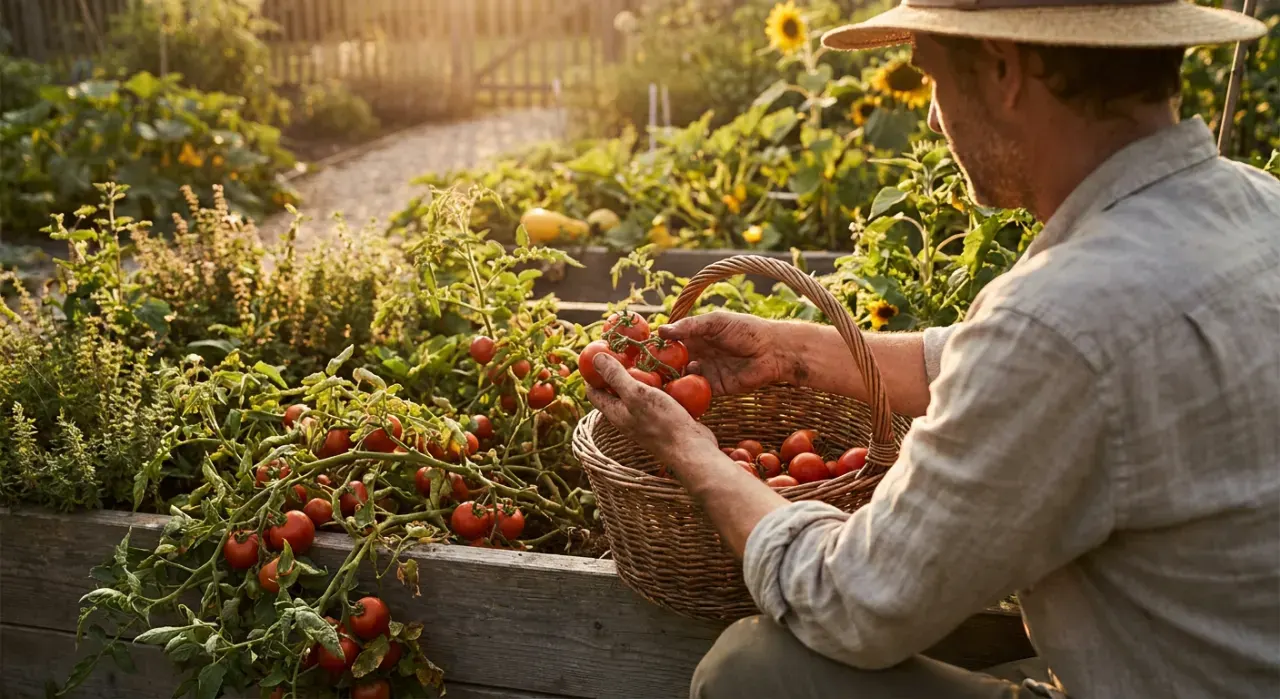
Fall crops follow spent summer vegetables, so the layout question is which bed receives which crop, and when.
- Early-finishing beds (bush beans, summer squash) — replant first with mid-season fall crops.
- Long-season brassicas — need starting in July, so plan a bed to be free early, or start as transplants alongside summer crops.
- Late-clearing beds (pole beans, indeterminate tomatoes) — reserve for the fastest fall crops or cover crops.
- Garlic bed — set aside a dedicated bed, since garlic planted in fall stays put until next summer.
Laying out for sun and protection
Fall light is lower and weaker than summer's, so site the fall garden where it catches maximum low-angle sun and has some wind shelter. As in spring, keep tall crops on the north side. The distinctive fall consideration is protection: cluster the crops you plan to carry latest — hardy greens and roots — into blocks that a single low tunnel or cold frame can cover, rather than scattering them. Keep faster crops that will be harvested before hard frost in separate beds so you are not covering ground you no longer need. This grouping makes the difference between fiddly, piecemeal covering and a quick drop of one tunnel as cold arrives.
Think about access as well as coverage. A low tunnel you have to unclip and re-secure every time you want a handful of spinach quickly becomes a chore, so run tunnels along beds you can reach from a path, and choose covers that lift or roll back easily. South-facing beds against a wall or fence gain reflected warmth and a few degrees of frost protection for free, making them the natural home for the crops you most want to keep going. Raised beds drain and warm better than flat ground in the wet, cold weather of late fall, which keeps roots healthier. These small siting choices, made when you plan the layout in summer, determine how far into the cold your harvest actually stretches.
The core fall garden crops
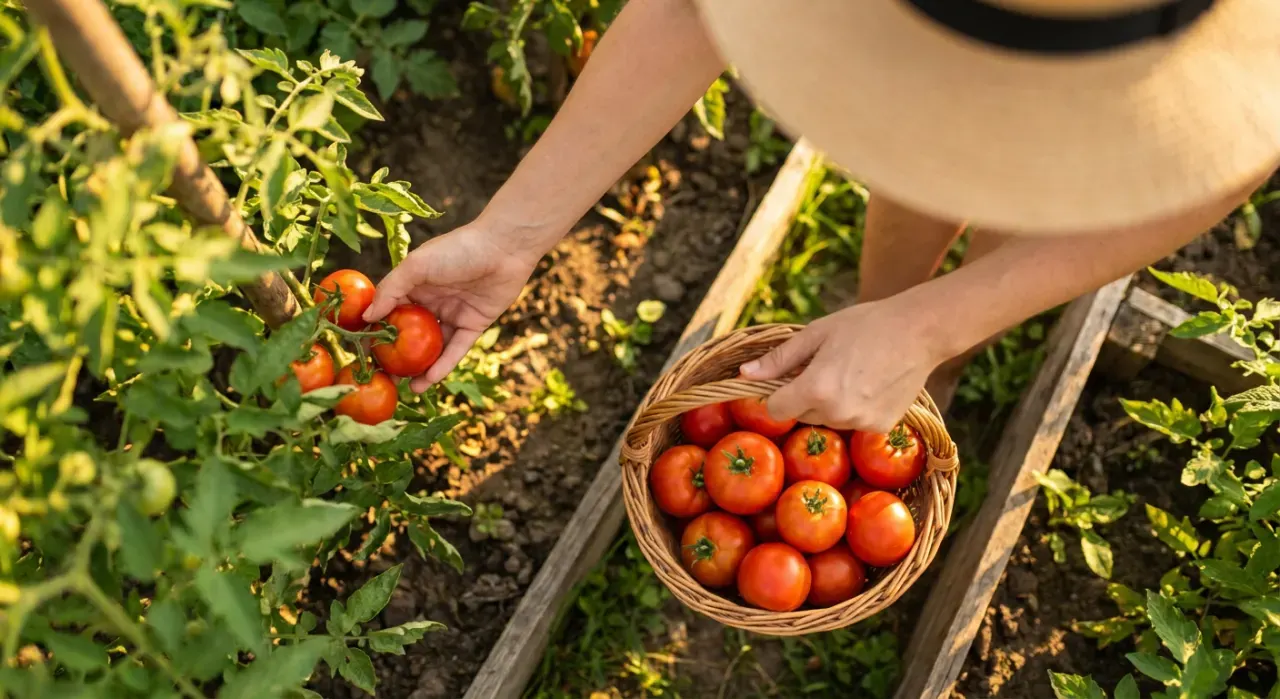
Fall gardens run on frost-tolerant cool-season crops, many of which sweeten in cold. See cool season vegetables for the full group.
| Crop | Days to maturity | Cold hardiness |
|---|---|---|
| Kale, collards | 50 to 65 | Hard frost; sweetens |
| Spinach | 40 to 50 | Hard frost; overwinters |
| Carrots, beets | 55 to 80 | Hard frost; sweetens |
| Broccoli, cabbage | 55 to 75 | Light to moderate frost |
| Lettuce, arugula | 30 to 45 | Light frost |
Preparing beds after summer crops
Refresh each bed as its summer crop finishes so it is ready to sow on the count-back date. Pull spent plants, clear debris that harbors pests and disease, and work 1 to 2 inches of fresh compost into the top few inches to replace nutrients the summer crop used. Because leafy fall greens are nitrogen-hungry, a light dose of a balanced feed at planting pays off. The hardest practical task is germinating seed in warm, dry late-summer soil: sow a little deeper than in spring, water daily until seedlings emerge, and shade the row for the first few days.
Rotation in the fall garden
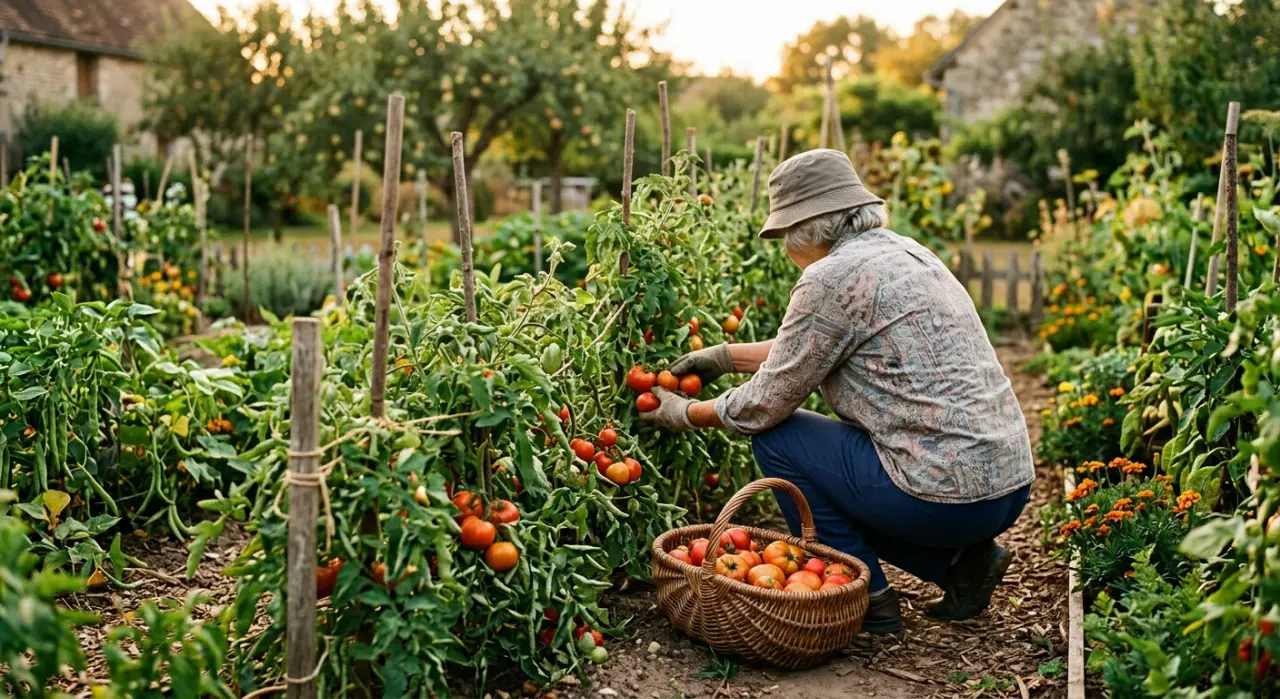
Fall rotation has one rule above all: do not follow a summer brassica bed with fall brassicas, since they share soil diseases like clubroot. Rotate fall greens and cabbage-family crops into beds that held beans, squash or tomatoes over summer. Because fall crops follow summer ones within the same year, a simple written map of what grew where keeps the families moving. Legume beds make excellent ground for the nitrogen-hungry leafy crops that dominate autumn.
Zone timing for the fall garden
| USDA zone | Fall sowing window |
|---|---|
| 3 to 4 | July |
| 5 to 6 | July to August |
| 7 | August to September |
| 8 | September to October |
| 9 to 10 | October to November |
Fall garden planning tips
- Plan in summer — the fall garden is designed while the beds are still full.
- Map the bed hand-off so fall crops follow finishing summer crops without delay.
- Group crops for covering — cluster the hardiest ones under one tunnel.
- Refresh beds promptly with compost so planting stays on schedule.
- Never follow brassica with brassica — rotate into old bean or squash ground.
Related: what to plant in fall, winter vegetables to plant, the vegetable planting calendar, and how we rank.