 Garden
Affiliate Disclosure
Some links on this page are affiliate links. As an Amazon Associate, we earn from qualifying purchases — at no extra cost to you. We do not buy, test, or physically handle the products we cover; our rankings come from aggregated owner reviews, ratings and expert consensus. Commissions never change our verdicts. How we rank · full disclosure.
The short answer: plant lettuce in the cool shoulder seasons — spring and fall — when soil is 45 to 65°F. For a spring crop, direct sow or transplant 2 to 4 weeks before your last frost and keep sowing small batches every 2 to 3 weeks until heat arrives. For a fall crop, start again in late summer, about 8 weeks before your first fall frost. Lettuce germinates poorly above 75°F and bolts in summer heat, so timing it around cool weather is the whole trick.
Lettuce is fast, cold-tolerant, and forgiving, which makes it one of the best crops for beginners — as long as you plant it when it wants to grow. Its one strong opinion is that it hates heat, both for germination and for staying sweet. We do not test the tools we rank; our picks come from aggregated owner reviews and expert consensus, explained in how we rank.
Why lettuce is a cool-season crop
Lettuce evolved for cool, moist conditions, and its biology shows it in two ways. First, the seed has a built-in heat cutoff: above about 75 to 80°F it enters thermal dormancy and simply will not germinate reliably, which is why direct-sown summer lettuce so often fails to come up. Second, once the plant is growing, heat and lengthening days trigger bolting — it shoots up a flower stalk, the leaves turn bitter and tough, and the harvest is over. Both facts point to the same strategy: grow lettuce in the cool of spring and fall, and take a break in the heat of midsummer. Everything else in timing follows from this.
Spring planting
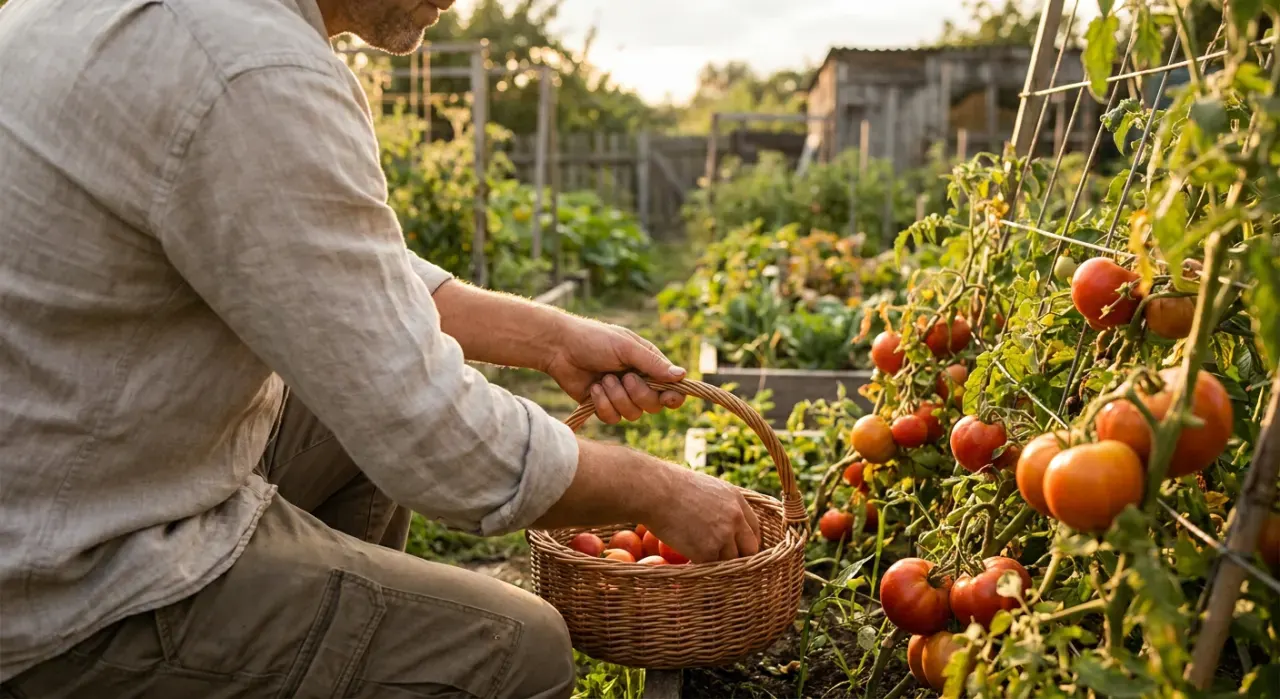
Lettuce is one of the earliest crops you can plant, tolerating light frost and cold soil.
- Direct sow or transplant 2 to 4 weeks before your last frost date, as soon as the soil can be worked and has reached about 40°F or warmer.
- Start seeds indoors 4 to 6 weeks earlier for a jump on the season, especially where spring soil stays cold and wet.
- Keep sowing every 2 to 3 weeks through spring for a continuous supply, stopping as summer heat approaches.
Because lettuce matures fast, spring sowings can produce baby leaves in a month, well before most other crops are established.
Fall planting
Fall is an excellent time for lettuce because it matures into cooling weather and holds sweet longer. The challenge is germinating seed in late-summer heat. To time a fall crop, sow about 8 weeks before your first fall frost (lettuce tolerates light frosts, extending the season further). Because soil may still be warm:
- Start seeds indoors or in a cool, shaded spot to sidestep thermal dormancy, then transplant out.
- Or direct sow in the shade of taller crops, keeping the soil consistently moist and cool.
- Sow in the evening and water to cool the soil surface, which helps germination.
Fall lettuce often outperforms spring lettuce because the season moves toward cool rather than away from it.
Planting windows by USDA zone
| USDA zone | Spring sowing | Fall sowing |
|---|---|---|
| 3 to 4 | Late April to May | Late July to early August |
| 5 to 6 | Early April to May | August |
| 7 | March to April | Late August to September |
| 8 to 9 | February to March | September to October |
| 10 | Grow through winter (fall to spring) | October to November |
In the warmest zones, lettuce is essentially a fall-through-spring crop, avoiding summer entirely, while in cold zones it fills both a spring and a fall slot with a summer gap.
Types of lettuce and their timing
| Type | Days to harvest | Notes |
|---|---|---|
| Leaf (loose-leaf) | 30 to 55 | Fastest; ideal for cut-and-come-again and succession |
| Butterhead (Bibb, Boston) | 50 to 65 | Forms loose heads; tender |
| Romaine (Cos) | 60 to 75 | Upright heads; more heat-tolerant |
| Crisphead (Iceberg) | 70 to 85 | Slowest and fussiest; needs a long cool spell |
Leaf lettuce is the most forgiving and fastest, making it the best choice for succession sowing and beginners. Heat-tolerant varieties like Jericho, Muir, and Nevada stretch the season at both ends.
Succession sowing for a steady supply
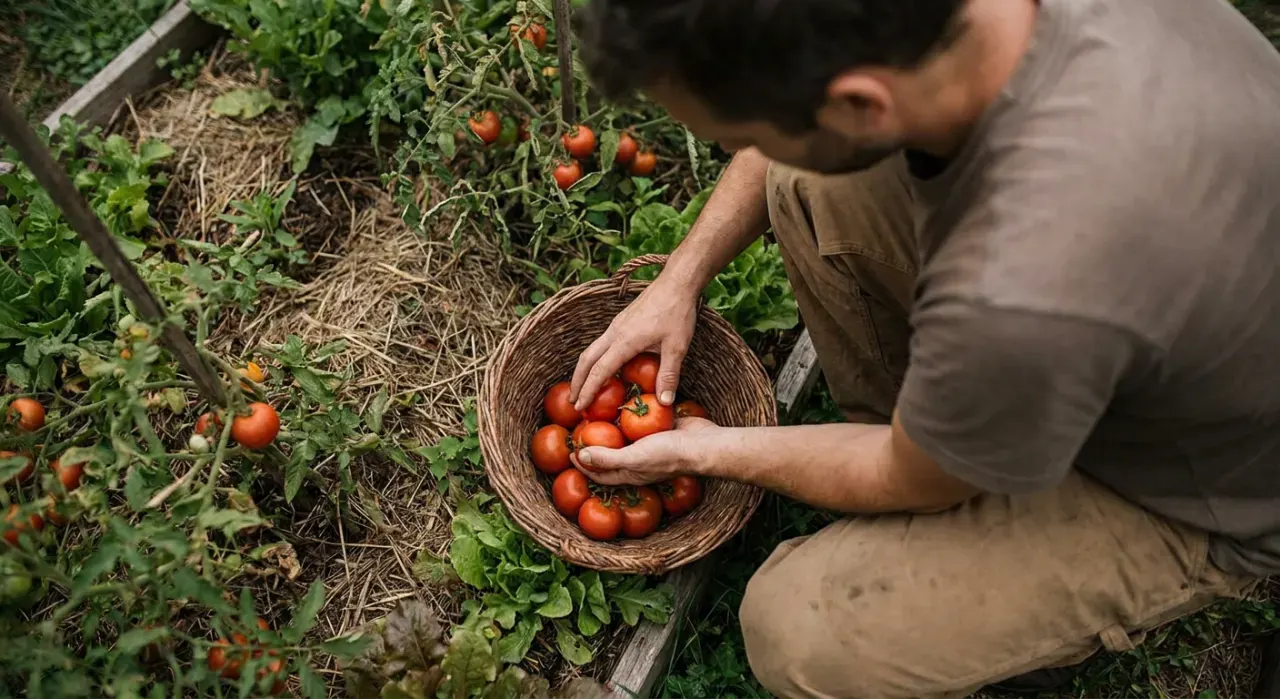
Because lettuce matures quickly and does not hold well once mature — especially as it warms — the secret to a continuous harvest is succession sowing: plant a small batch every 2 to 3 weeks rather than one big planting. This staggers maturity so you always have young, sweet lettuce ready instead of a glut that bolts at once. Pair it with cut-and-come-again harvesting, taking only the outer leaves of leaf types and letting the center regrow, and a single sowing keeps producing for weeks. For a full framework, see our succession planting schedule.
Care and preventing bolting
Lettuce has shallow roots and thin leaves, so it needs consistent moisture; let it dry out and it turns bitter and bolts faster. Water regularly, mulch to keep roots cool and moist, and site it in full sun in cool weather but partial shade as temperatures rise. Bolting is triggered by heat and lengthening days, so the defenses are: choose bolt-resistant varieties, keep the soil cool and moist, harvest promptly, and provide afternoon shade in warm spells. Once a plant sends up a central stalk and the leaves turn bitter, it is done — pull it and sow the next batch.
Using your local frost dates
Every timing recommendation for lettuce hangs off two numbers: your average last spring frost and your average first fall frost. These vary widely even within a single USDA zone because of elevation, proximity to water, and local microclimate, so a zone map is only a rough guide. Look up your specific dates through your state's Cooperative Extension Service or the National Weather Service, which base them on decades of local records.
Once you have them, lettuce timing is simple arithmetic. For spring, count back 4 weeks from the last frost date for your earliest sowing (lettuce tolerates light frost). For fall, count back from the first frost date: take the variety's days to maturity, add a two-week buffer for slower fall growth, and that is your sowing date. Because lettuce is frost-tolerant on the tail end, you can push fall sowings a little later than tender crops and still harvest after the first light frosts, which often sweeten the leaves.
Season extenders stretch both ends of the calendar. A cold frame, low tunnel, or row cover buys several degrees of protection, letting you start spring lettuce weeks earlier and carry fall lettuce well past the first freezes. In mild-winter zones, an unheated cold frame can keep lettuce going right through winter. These simple covers effectively shift you a half-zone warmer for the crop underneath.
Lettuce shares its cool-season timing with other quick greens, so it slots into the same spring and fall beds as spinach and brassicas — see when to plant spinach and when to plant broccoli. Everything else is at the seeds and vegetable growing hub.