 Garden

Affiliate Disclosure
Some links on this page are affiliate links. As an Amazon Associate, we earn from qualifying purchases — at no extra cost to you. We do not buy, test, or physically handle the products we cover; our rankings come from aggregated owner reviews, ratings and expert consensus. Commissions never change our verdicts. How we rank · full disclosure.
The short answer: buy a rubber hose if you want durability — it resists kinks, handles hot water, shrugs off sun and cold, and lasts for years, making it the standard for heavy or year-round use. Buy a vinyl hose if you want something cheap and light for occasional watering, accepting that it kinks more, degrades faster in the sun, and can crack in the cold. Rubber costs more upfront but usually works out cheaper over time because you replace it far less often; vinyl wins only on price and weight.
Both carry water from the spigot to the garden; the difference is the material and how long it survives real use. Our guidance comes from aggregated owner reviews and product consensus, explained in how we rank. The full field lives at the watering and irrigation hub.
Rubber vs Vinyl at a Glance
| Dimension | Rubber | Vinyl |
|---|---|---|
| Durability | High — lasts years | Lower — wears out sooner |
| Kink resistance | Good | Kinks readily |
| Hot water | Handles it | Can soften, degrade |
| Sun / UV | Resistant | Degrades faster |
| Cold weather | Stays flexible | Stiffens, can crack |
| Weight | Heavier | Light, easy to coil |
| Price | Higher upfront | Lower |
| Best for | Heavy, year-round use | Light, occasional use |
Durability and everyday hassle
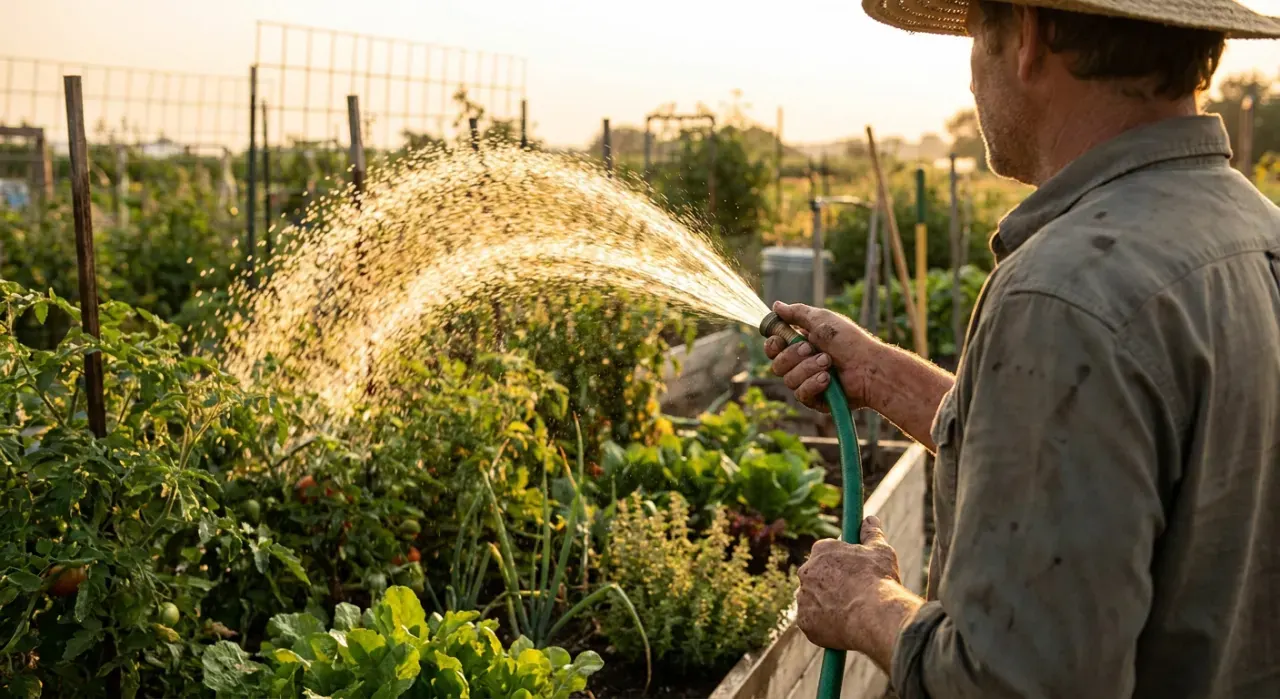
The gap that matters most is how the two hold up. Rubber is tougher across the board — it resists the kinks that pinch off flow, tolerates hot water without softening, and stands up to UV and temperature swings, so a quality rubber hose lasts many seasons. Vinyl is the cheaper plastic: lighter and easier to coil, but it kinks more (especially thin-walled budget versions), fades and cracks in the sun, and stiffens in the cold. If your current hose frustrates you with constant kinking or has split after a summer in the sun, that is the vinyl failure mode, and rubber or a reinforced hybrid fixes it. Hose diameter also affects flow regardless of material — see garden hose sizes explained.
Weight, water and temperature
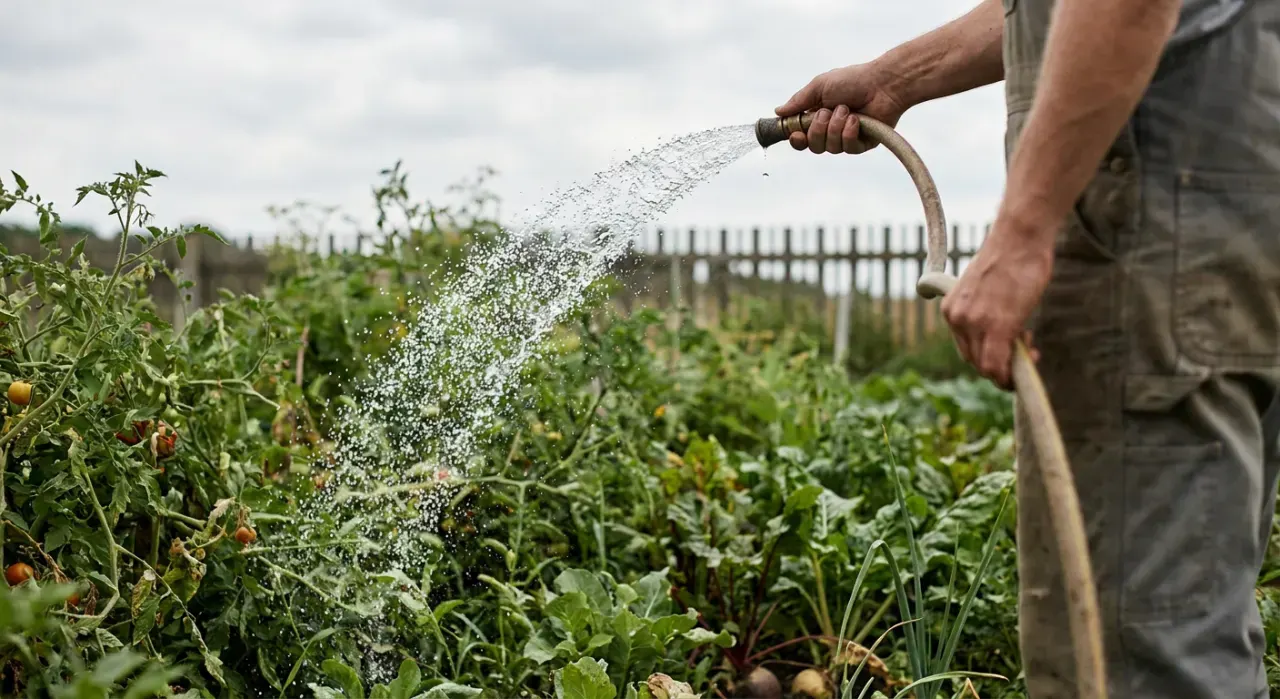
Vinyl's one real advantage is weight. A vinyl hose is lighter to drag around the yard and easier to coil onto a reel or hook, which genuinely matters if the hose is long, you have limited strength, or you only water a few pots now and then. The trade is temperature tolerance: rubber handles hot water and cold weather far better, while vinyl can soften and leach when hot and crack when frozen. Note that no ordinary garden hose is safe to drink from unless it is specifically labeled drinking-water safe, whatever the material. For keeping any hose tidy and off the ground, a good reel helps — see our best hose reels.
Making either last
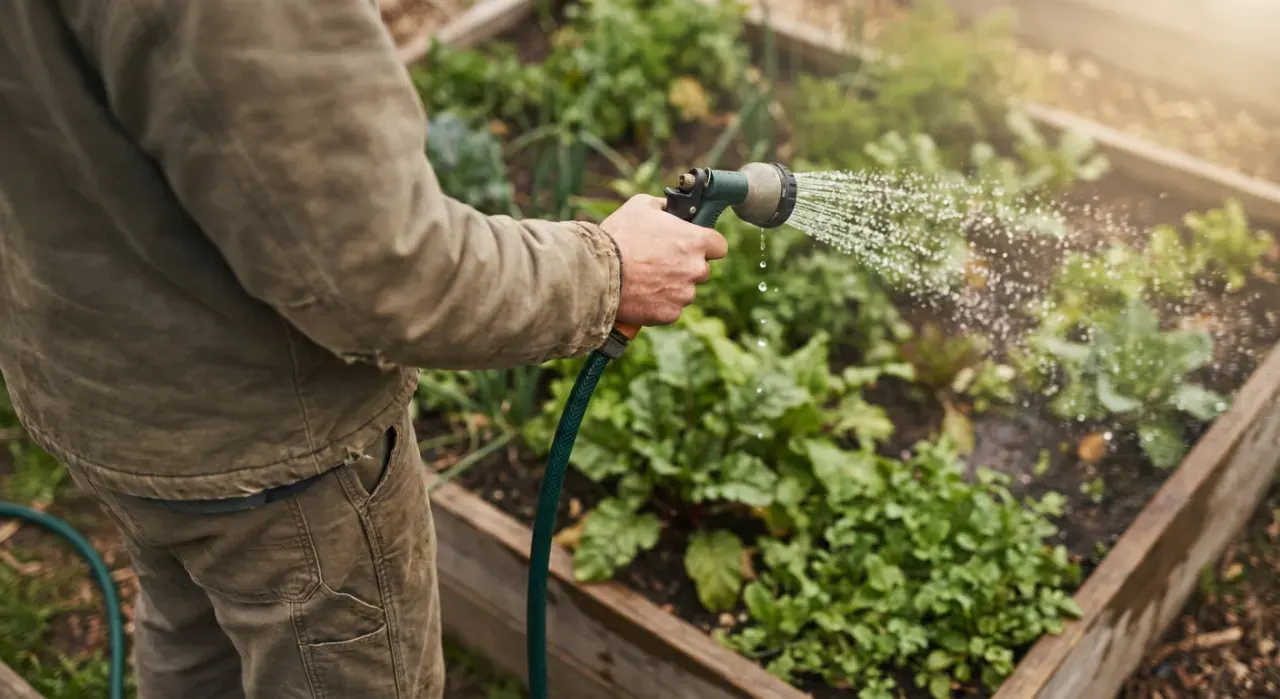
Whichever material you choose, a little care doubles the life. Store the hose out of direct sun when you can, since UV is what ages both types fastest; drain it and coil it loosely rather than kinking it tight; and never leave a hose full of water through a hard freeze — the water expands as it freezes and can split the hose or crack a fitting, which is why draining and storing before winter is the single most important habit. A good nozzle that shuts off cleanly also protects the hose from pressure spikes — see our best hose nozzles. For the ranked field across materials, see our best garden hoses.
Which should you buy?
Buy rubber for durability, hot-water use, sun exposure, cold climates, and any hose you will use hard or year-round — it costs more but lasts far longer and kinks less. Buy vinyl for a light, inexpensive hose for occasional watering, where the lower weight and price outweigh the shorter life. Either way, store it out of the sun, drain it before winter, and pair it with a quality nozzle, and even the cheaper hose will last longer than it otherwise would.