 Garden

Affiliate Disclosure
Some links on this page are affiliate links. As an Amazon Associate, we earn from qualifying purchases — at no extra cost to you. We do not buy, test, or physically handle the products we cover; our rankings come from aggregated owner reviews, ratings and expert consensus. Commissions never change our verdicts. How we rank · full disclosure.
The standard shower head height is about 80 inches — 6 feet 8 inches — from the finished floor to the shower head outlet. That height clears the top of most adults' heads while keeping the spray angled down over the body. The plumbing rough-in, meaning the pipe stub inside the wall that the shower arm screws into, is usually set a few inches lower, commonly around 78 inches, so the downward-angled arm brings the head to the 80-inch mark. Both numbers are adjustable: raise them for a tall household, lower them for a shorter one or a kids' bathroom.
We never buy, test or physically handle the products we rank; recommendations come from aggregated owner reviews and expert consensus, described in how we rank. More at the bathroom hub.
What are the standard heights by shower type?
The right height depends on the head style and who uses the shower, but the numbers cluster into a few well-established figures. All are measured from the finished floor to the outlet. Use these as your starting points:
| Shower head type | Height to outlet (finished floor) |
|---|---|
| Standard wall-mount | 80 inches (6 ft 8 in) |
| Wall rough-in (pipe stub) | ~78 inches |
| Tall-household wall-mount | 82 to 84 inches |
| Ceiling rain shower | 84 to 90 inches |
| Handheld slide bar (top) | 72 to 78 inches |
How high should it be for a tall household?
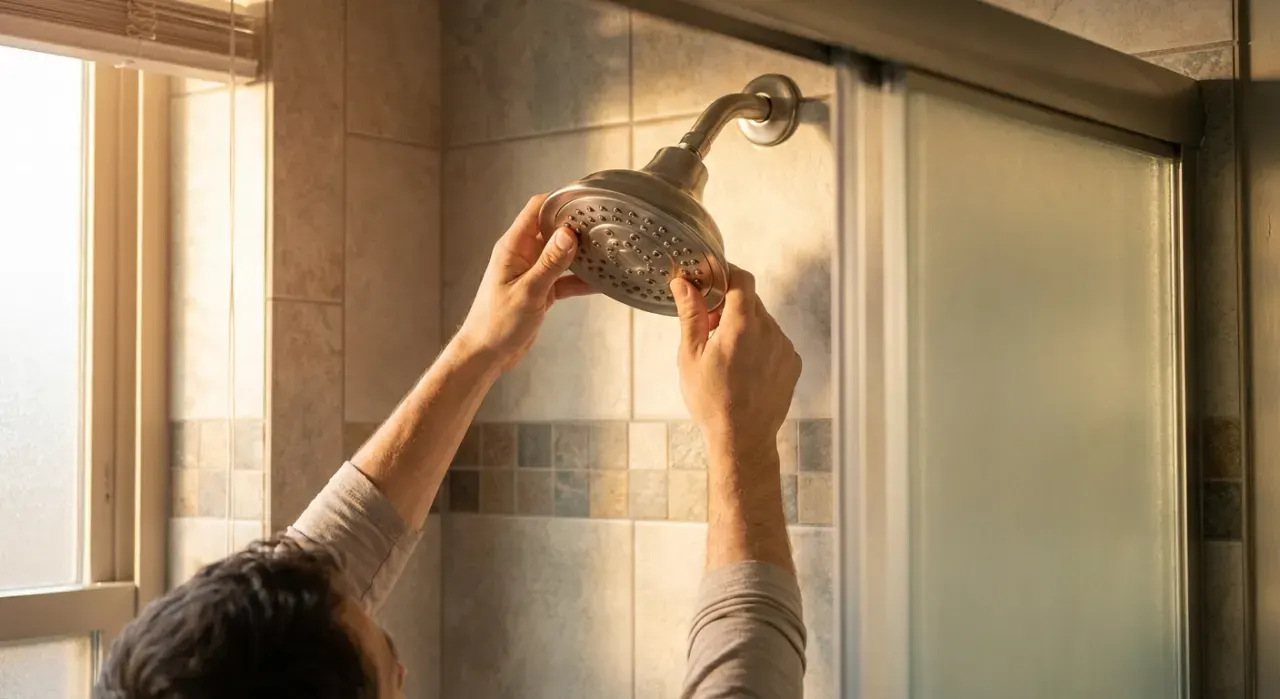
The 80-inch standard was set for an average user, and it can leave a taller person ducking. If the primary users are over about 6 feet, raise the outlet to 82 to 84 inches so the spray falls above the crown of the head rather than into the face. The catch is that this must be decided at rough-in, before tile closes the wall, because the in-wall elbow height is fixed. If you know your household is tall, tell the plumber to rough in high — it costs nothing extra during construction and is expensive to change afterward.

Where does the pipe go in the wall?
The rough-in is the height of the drop-ear elbow (the fitting the shower arm threads into) inside the wall, and it is typically set around 78 inches above the finished floor. Because the shower arm angles downward, that puts the head near the 80-inch standard. The key word is "finished" floor: measure from where the tile will be, not the subfloor, or the head ends up an inch or two lower than intended. Since the elbow is buried behind tile, its height is effectively permanent, which is why the number is worth getting right the first time.
How do you adjust height without opening the wall?
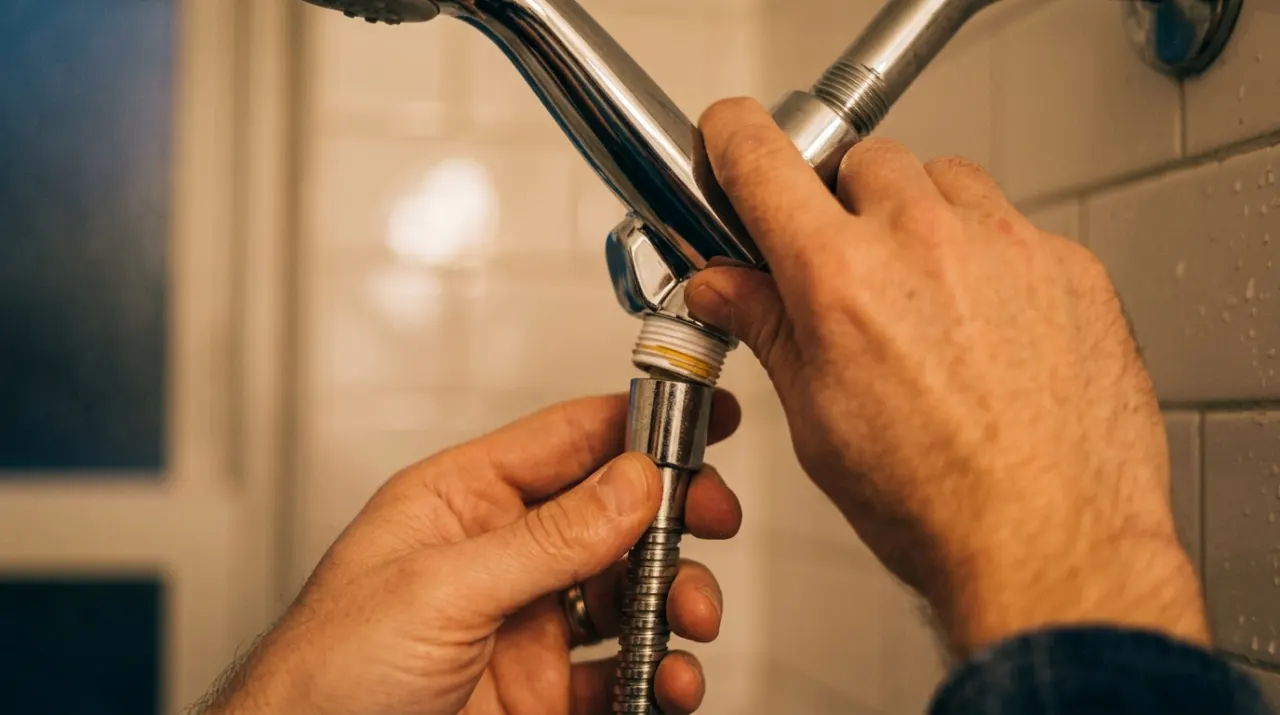
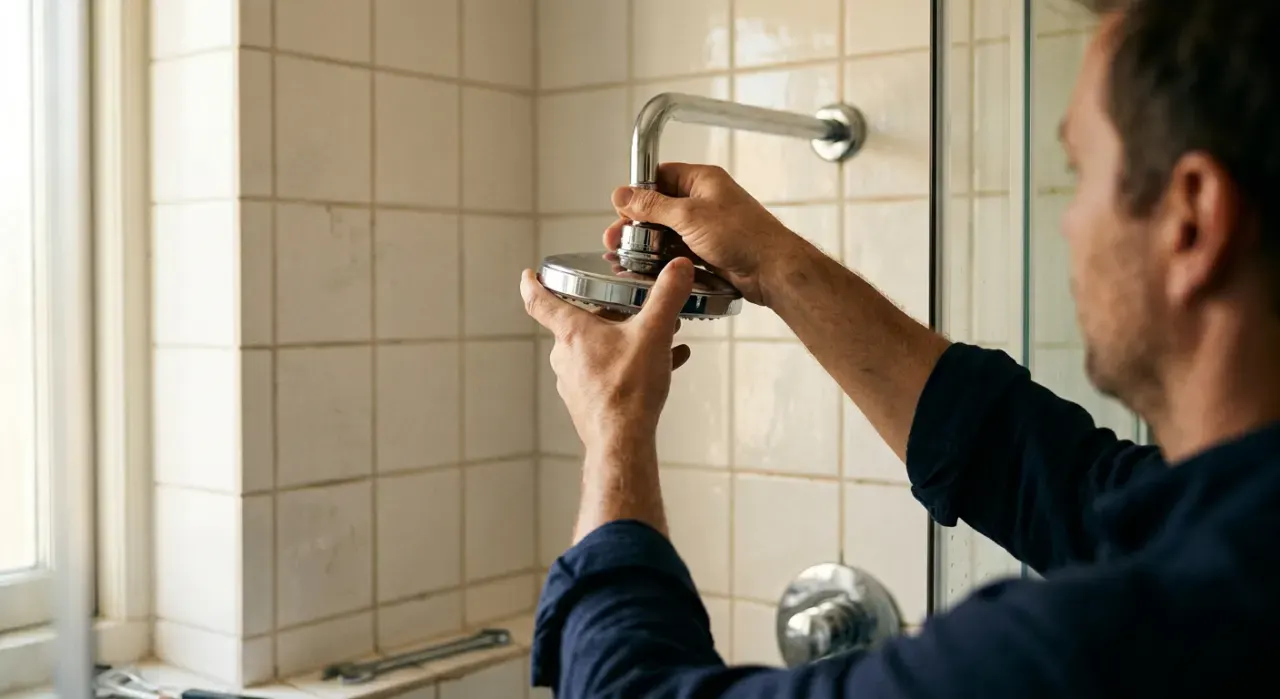
If the head is already installed and too low, you do not need demolition. A shower arm extension threads onto the existing arm and lifts the head several inches; an S-shaped extension both raises and pushes it outward. A slide bar mounts to the wall and lets every user set their own height — the best answer for a household of mixed heights. A high-rise or ceiling-mount arm raises a rain head further. All of these attach to the existing plumbing, so they are weekend jobs, not remodels.
What else affects shower comfort?
Height is one factor; flow and pressure are the others. If the spray feels weak at any height, see how to fix low shower pressure, and to understand how the head's rating affects your usage, how much water a 10-minute shower uses. When it is time to replace the head itself, our roundup of the best shower heads covers spray patterns and slide bars. For related fixture heights, see standard vanity height, and browse the bathroom hub.