 Garden

Affiliate Disclosure
Some links on this page are affiliate links. As an Amazon Associate, we earn from qualifying purchases — at no extra cost to you. We do not buy, test, or physically handle the products we cover; our rankings come from aggregated owner reviews, ratings and expert consensus. Commissions never change our verdicts. How we rank · full disclosure.
Start with 1 pound of red wigglers — roughly 1,000 worms — per square foot of bin surface area. A standard 2 foot by 1.5 foot bin therefore wants 2 to 3 pounds. The other way to size it: 1 pound of worms processes about half a pound of food scraps per day once established, so match the worm weight to your kitchen output. Most households start with 1 pound and let the population grow into the bin, which it will — red wigglers roughly double every 60 to 90 days.
We never buy, test or physically handle the products we rank; recommendations come from aggregated owner reviews and expert consensus, described in how we rank. More at the composting and soil hub.
How many worms for your bin and your household?
| Bin surface area | Starting worms | Approx. worm count | Food scraps handled once established |
|---|---|---|---|
| 1 sq ft (small tote) | 1 lb | ~1,000 | ~3.5 lb per week |
| 2 sq ft | 2 lb | ~2,000 | ~7 lb per week |
| 3 sq ft (typical stacking tray system) | 2–3 lb | ~2,000–3,000 | ~7–10 lb per week |
| 4 sq ft | 4 lb | ~4,000 | ~14 lb per week |
| Outdoor windrow or bathtub bin | 5 lb+ | 5,000+ | Scales with area |
For reference, a two-person household producing normal kitchen waste generates roughly 3 to 5 pounds of compostable scraps a week — comfortably within reach of a one-pound start after the first month or two. A family of four generating 8 to 12 pounds a week wants 2 to 3 pounds of worms, or a second bin.
What does a pound of worms cost?
Expect $30 to $55 per pound of red wigglers shipped, as of July 2026, with the price per pound dropping on larger orders. Local sources are cheaper and better for the worms: bait shops, garden clubs, and other vermicomposters, who accumulate surplus continually and often give it away. If you know someone with an established bin, a couple of handfuls of bedding-with-worms and cocoons will populate a new bin within a few months for nothing.
Depth matters more than count when it comes to the bin itself. Red wigglers are surface feeders working the top 6 to 8 inches, so a wide shallow bin outperforms a deep narrow one of the same volume. That is why the sizing rule above is stated in square feet rather than gallons.
How do you set the bin up on day one?
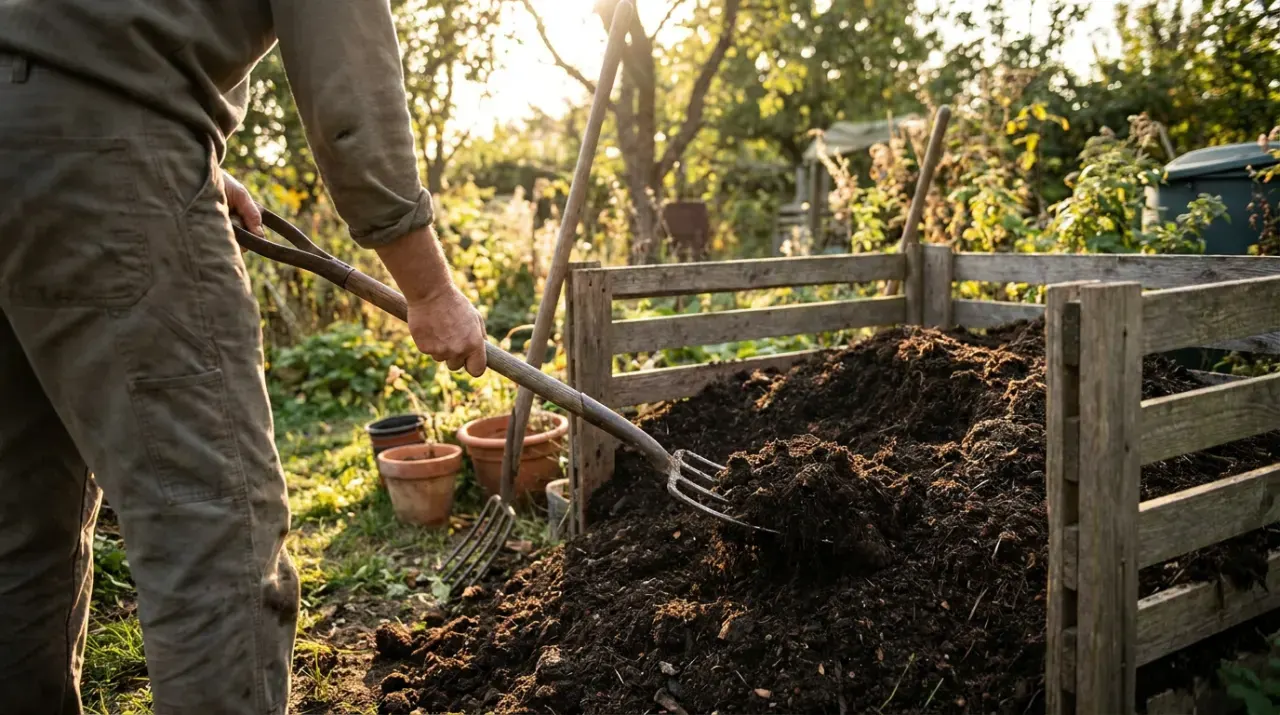
- Bedding first. Fill the bin two-thirds with moistened shredded cardboard, newspaper or coco coir. Wring the bedding out so it is damp, not dripping — 70 to 80 percent moisture is the target, wetter than a compost pile.
- Add a handful of soil or finished compost for grit; worms have no teeth and need it to grind food in the gizzard.
- Add the worms and leave them undisturbed with a light overhead for the first day or two so they burrow down.
- Wait 2 to 3 days before feeding, then start small — a cup of chopped scraps buried in one corner.
- Feed to consumption. Add more only when the previous feeding is visibly being worked. Overfeeding is the single most common beginner mistake, and it is what turns a bin sour.
- Keep it between 55 and 77°F. Worms slow markedly below 50°F and die above about 85°F, which rules out a summer garage in most of the country.
What can and cannot go in?
Yes: vegetable and fruit scraps, coffee grounds and paper filters, tea leaves, crushed eggshells, plain bread and grains in small amounts, and plenty of carbon bedding — cardboard is the workhorse.
No: meat, fish, dairy, oils and greasy food, which go rancid and attract pests; large amounts of citrus and onion, which are too acidic in quantity; anything salty; and pet waste, which belongs in a separate system entirely for the reasons covered in can you compost dog poop.
Chop everything. Worms feed on the microbial film growing on decaying material rather than the material itself, so more surface area means faster processing — the same principle that governs a hot pile, explained in how long compost takes to break down.
Related: how you know when compost is finished for judging castings, and the difference between compost and topsoil for using them. Ranked bins are in best worm composting bin and best kitchen compost bin for the countertop caddy that feeds it.