 Garden

Affiliate Disclosure
Some links on this page are affiliate links. As an Amazon Associate, we earn from qualifying purchases — at no extra cost to you. We do not buy, test, or physically handle the products we cover; our rankings come from aggregated owner reviews, ratings and expert consensus. Commissions never change our verdicts. How we rank · full disclosure.
A basic lab soil test costs $10 to $35 per sample at a land-grant university extension lab in the US as of July 2026, and a handful of state programs are free or nearly free for residents. Private commercial labs typically charge $25 to $60 for a comparable fertility panel. Add-ons drive the rest: organic matter, micronutrients or soluble salts usually add $5 to $20 each, and a heavy metals or lead panel adds $15 to $50. The four-figure estimates you sometimes see belong to environmental site assessments, not garden testing.
We never buy, test or physically handle the products we rank; recommendations come from aggregated owner reviews and expert consensus, described in how we rank. More at the composting and soil hub.
Where should you send a sample?
Your state's land-grant university extension lab, in almost every case — Iowa State Extension keeps a list of university and private laboratories that report results for home gardens and lawns. They are subsidized, they calibrate their fertilizer recommendations to your state's soils and crops, and the report comes with an actual recommendation rather than a wall of numbers. Some accept out-of-state samples at a higher fee. Approximate published fees for a routine home-garden fertility test, as of July 2026 — always confirm current pricing on the lab's own page before mailing:
| Lab | Routine test | Note |
|---|---|---|
| NC Department of Agriculture (Agronomic Services) | Free for NC residents most of the year | A peak-season fee applies for samples submitted in the winter months |
| Penn State Agricultural Analytical Services Lab | Around $15–$20 | Mailer kit sold at county extension offices and garden centers |
| UMass Amherst Soil and Plant Nutrient Testing Lab | Around $20 | Routine panel includes extractable lead, which is unusual and useful |
| Texas A&M AgriLife Soil Testing Lab | Around $12–$20 | Add-ons for salinity and micronutrients |
| Colorado State Soil, Water and Plant Testing Lab | Around $35 | Routine panel oriented to western alkaline soils |
| Private labs (Waypoint, A&L and similar) | $25–$60 | Faster turnaround, no state-specific recommendations |
| Mail-order consumer kits | $25–$50 | Convenient, variable depth of reporting |
The pattern to notice: the state you live in changes the price more than the test does. If a national estimate told you $150 for a garden soil test, it was pricing a commercial agronomy or environmental panel.
What does a basic test actually include?
A routine fertility panel almost always reports pH, buffer or lime requirement (how much lime it will take to move that pH, which depends on soil texture), and extractable phosphorus, potassium, calcium and magnesium. Most include cation exchange capacity and base saturation. Many, but not all, include organic matter — check, because organic matter is one of the most actionable numbers on the report for a home gardener.
What is usually not included and usually worth adding: lead for any vegetable bed on an urban lot, soluble salts if you are in the arid West or irrigate with softened water, and micronutrients (boron, zinc, manganese) if you have a specific deficiency symptom. Nitrogen is generally not tested in home garden panels because it changes week to week and the number would be obsolete before the report arrived.
How do you take a sample that is worth paying for?
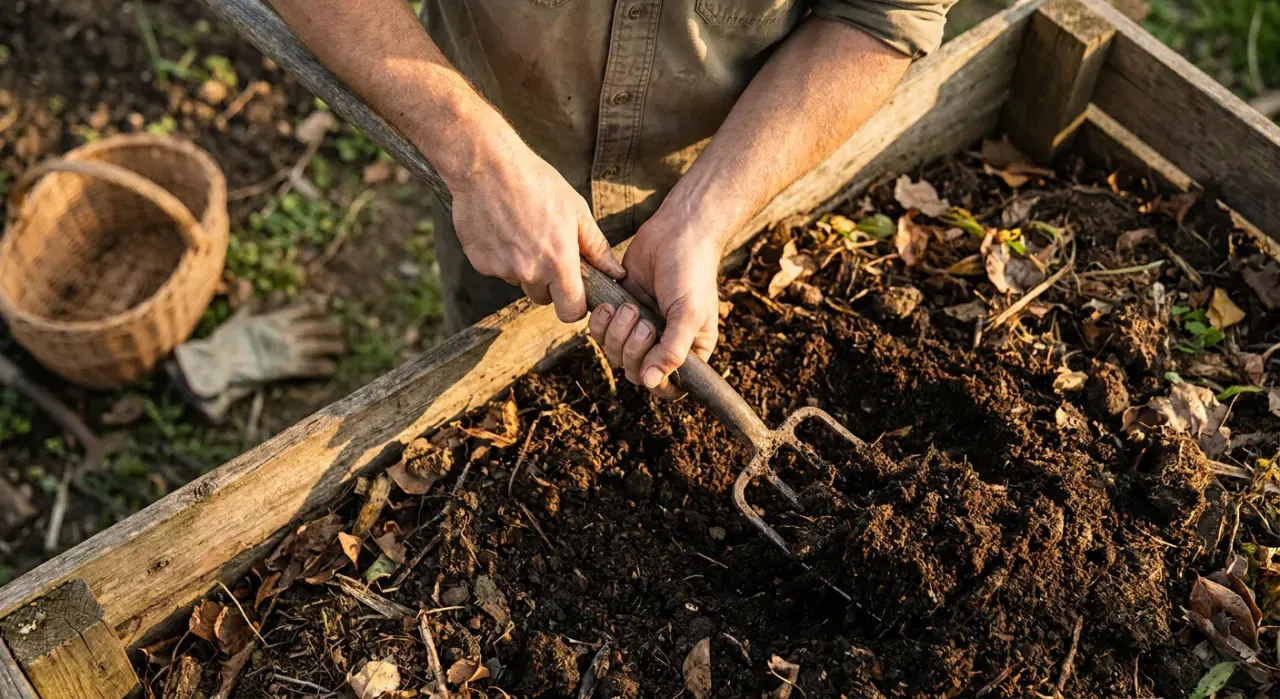
Badly taken samples are the main reason a soil test disappoints, and it costs nothing to do properly:
- Sample each area separately. Lawn, vegetable garden and orchard have different histories.
- Take 10 to 15 cores across the area in a zigzag, not one shovelful from one spot.
- Consistent depth: 6 to 8 inches for garden beds, 3 to 4 inches for established lawn.
- Mix in a clean plastic bucket, not galvanized metal, which can contaminate the zinc reading. Remove stones, roots and mulch.
- Send about a cup of the mixture, air-dried if the lab asks for it.
- Avoid sampling within 6 to 8 weeks of liming or fertilizing, or the result reports the amendment rather than the soil.
Is it worth the money?
For anyone about to spend on amendments, yes — comfortably. A single 40-pound bag of lime or sulfur costs about as much as an extension soil test — Illinois Extension puts an accredited lab test at around $15 to $30 — and applying the wrong one, or the right one at the wrong rate, wastes both the money and the season. The test also catches the two problems that no amount of observation reveals: a pH far outside the target range for what you are growing, and lead in a bed you plan to eat out of. Reading the report is covered in how to read a soil test.
Related: how to lower soil pH quickly — do not attempt it without a test result — the difference between compost and topsoil, and how to improve clay soil. For the in-between-tests home kits, see best soil test kit.