 Garden

Affiliate Disclosure
Some links on this page are affiliate links. As an Amazon Associate, we earn from qualifying purchases — at no extra cost to you. We do not buy, test, or physically handle the products we cover; our rankings come from aggregated owner reviews, ratings and expert consensus. Commissions never change our verdicts. How we rank · full disclosure.
The short version: after weighing six home and mail-in soil tests on owner star ratings, review volume, published test chemistry and the complaints that recur once people compare results against a laboratory, our #1 pick for most gardeners is the Luster Leaf 1601 Rapitest. It is not the most accurate test here — that is the lab kits — but at roughly forty cents a test it is the only one cheap enough to run on every bed separately, which is where most of the useful information actually lives.
There is a real split in this category, and it is worth being blunt about it. Home color-comparator kits give you a range; mail-in lab kits give you a number and a prescription. Both are legitimate, they answer different questions, and the cheap probe meters sold as pH testers largely answer neither. If your soil is already the problem you are trying to fix, read how to improve clay soil and how to read a soil test, and start from the composting and soil hub.
Top Picks at a Glance
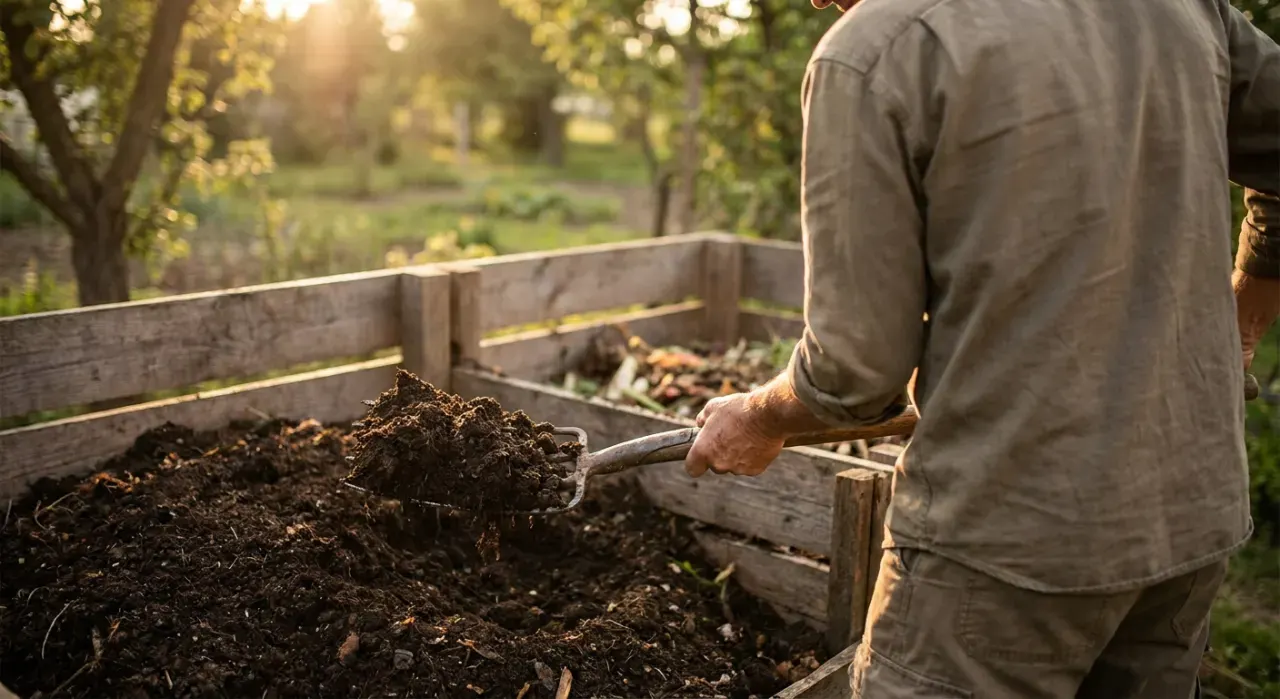
Our #1 Pick: Luster Leaf 1601 Rapitest
The 1601 has been the default home soil test for decades and the reason is arithmetic rather than chemistry. It supplies 40 tests — ten each for pH, nitrogen, phosphorus and potash. Almost every gardener who runs one test on “the garden” learns nothing, because a vegetable bed, a lawn and a border under a maple are three completely different soils. Ten tests per nutrient means you can sample four areas properly, twice, and start seeing where the actual problem sits.
Consensus Score ███████░░░ 7.6 — the deepest review base in the category, with accuracy the consistent caveat
The method is straightforward: mix a soil sample with water, let it settle, decant into the test chamber, crack a color capsule in, shake, wait ten minutes and match the resulting color to the chart printed on the comparator. The pH test is the one owners rate most highly, and it is also the most important — pH determines whether the nutrients already present in your soil are available to plants at all, which is why soil that tests low in everything is often just soil at the wrong pH.
Reviewers repeatedly mention the plant list, which gives preferred pH ranges for over 400 species and turns an abstract number into an action. The consensus criticism is equally repeated: the nitrogen test in particular is coarse, the colors between adjacent bands are hard to distinguish under kitchen lighting, and anyone expecting laboratory precision will be disappointed. Treat it as a screening tool, and step up to a lab test before you spend money on amendments.
Check price on Amazon → (paid link)
Best Soil Test Kits 2026: The Ranked Field

Best for a quick read on pH and NPK across several beds at once
- 40 tests — 10 each of pH, nitrogen, phosphorus and potash
- Color-comparator capsules, no meter or batteries
- Results in about 10 minutes per test
- Includes preferred pH ranges for over 400 plants
Why buy it: it is the cheapest honest answer to “what is actually wrong with this bed?”, and cheap enough to test four beds separately.
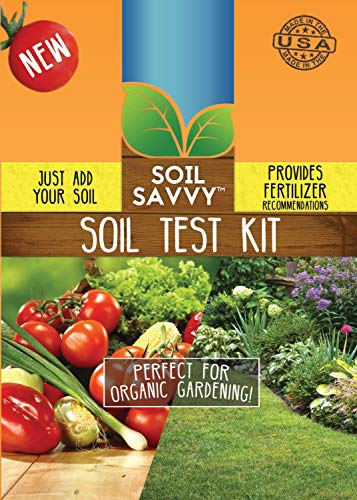
Best for anyone about to spend real money on fertilizer or amendments
- Professional lab analysis of pH plus 14 nutrients
- Prepaid return envelope included in the price
- Results in roughly 7 to 10 days by email
- Report includes a specific fertilizer recommendation
Why buy it: a real laboratory number instead of a color you squinted at, with a prescription telling you what to add.

Best for gardeners who want the results explained, not just reported
- Lab analysis of 13 plant-available nutrients plus pH
- Online dashboard with plant-specific recommendations
- Organic and conventional amendment options given
- Results in about 6 to 8 days
Why buy it: the clearest reporting of any mail-in kit — it tells you what to do next in plain language, per crop.

Best for taking the guesswork out of reading color charts
- LED-lit digital reader replaces visual color matching
- 25 tests across pH, N, P and K
- Push-button operation with a simple readout
- Same reagent chemistry as the 1601
Why buy it: it removes the one genuinely unreliable step in a home kit — your eyes, in your kitchen light.

Best for moisture checks on houseplants and containers
- Moisture, light and pH on one dial
- No batteries required
- 8 in. dual probes for pot and bed depth
- Instant reading, nothing to mix
Why buy it: as a moisture meter it is genuinely useful and costs almost nothing — just do not plan your fertilizer around its pH scale.

Best for landscapers, market gardeners and anyone testing repeatedly
- Tests pH, nitrogen, phosphorus and potash
- Reagent-based wet chemistry with a color chart
- Enough materials for repeated seasonal testing
- Refillable — buy reagents rather than a new kit
Why buy it: the accuracy and repeatability of a professional kit, which pays back the moment you are testing more than a couple of beds a year.
Quick Comparison
| Product | Best for | Rating | Price | Buy |
|---|---|---|---|---|
| Luster Leaf 1601 Rapitest Soil Test Kit | Best Overall | — | Check (paid link) | |
| Soil Savvy Soil Test Kit (Mail-In Lab Analysis) | Best Lab Test | — | Check (paid link) | |
| MySoil Soil Test Kit | Best Premium Lab Kit | — | Check (paid link) | |
| Luster Leaf 1605 Rapitest Digital Soil Test Kit | Best Digital Kit | — | Check (paid link) | |
| SONKIR MS02 3-in-1 Soil Moisture, Light and pH Meter | Best Budget Probe | — | Check (paid link) | |
| LaMotte 5010-01 Soil Test Kit | Best Pro-Grade Kit | — | Check (paid link) |
How We Rank
We do not buy or run these kits. We rank them by aggregating star ratings and review volume across thousands of verified owner reviews, weighting recent reviews above launch-window ones, checking published test chemistry, number of tests and reported nutrients against manufacturer specifications, and reading negative reviews closely — which in this category is unusually informative, because a large number of reviewers compare their home result against a state extension laboratory and report the gap.
Four factors drive the order. Decision usefulness — whether the output actually tells you what to do. Cost per test, because testing several areas separately beats testing one area precisely. Repeatability, judged from owners who ran the same sample twice. And owner satisfaction, weighted by review count and discounted where a product is widely misunderstood rather than genuinely poor. Prices were checked at time of writing. Full method: how we rank.
The Kits, Reviewed
1. Luster Leaf 1601 Rapitest — Best Overall
Covered above. Consensus Score ███████░░░ 7.6. Strengths: 40 tests for the price of one lab test, no batteries or meters, pH results that owners rate as broadly trustworthy, and a plant reference list that turns the number into a decision. Recurring complaints: color matching is genuinely difficult in the bands between clear results, the nitrogen test is the least reliable of the four, capsules occasionally arrive with clumped powder, and the instructions assume more familiarity with the process than a first-timer has. Several reviewers who cross-checked against a lab report the pH close and the NPK approximate.
2. Soil Savvy — Best Lab Test
Soil Savvy is the mail-in kit we would hand to anyone about to buy amendments. You fill the supplied jar with soil, drop it in the prepaid envelope, and a laboratory returns pH plus fourteen nutrients — including the micronutrients no home kit touches — with a specific fertilizer recommendation attached. The price includes the postage and the analysis, which is why it works out barely more expensive than a home kit once you count what a home kit cannot tell you.
Consensus Score ████████░░ 8.4 — consistently strong ratings, with turnaround the main variable
Recurring complaints: the wait. Seven to ten days is the stated window and owners report it sometimes running longer in spring when the lab is busy. A minority describe the report as dense if you have no agronomy background — it is a laboratory document, not a gardening guide. And it is a single test: if you want your lawn and your vegetable bed analyzed separately, that is two kits.
3. MySoil — Best Premium Lab Kit
MySoil runs the same basic model — jar, prepaid envelope, laboratory — but puts far more effort into the output. Results land in an online dashboard that explains each nutrient level in plain language and then gives crop-specific recommendations, with both organic and conventional amendment options. For a gardener rather than a farmer, that translation layer is the whole value.
Consensus Score ████████░░ 8.3 — very well rated, particularly for the clarity of the report
Recurring complaints: registration is required online before you mail the sample and several owners report forgetting, which delays everything. Some reviewers wanted a printable report rather than a dashboard. As with Soil Savvy, one kit equals one sample, and a few note that the recommendations lean toward products rather than generic amendments.
4. Luster Leaf 1605 Rapitest Digital — Best Digital Kit
Same reagent chemistry as the 1601, but instead of matching a color by eye you drop the vial into an LED-lit digital reader that gives you a readout. That addresses the single most-criticized step in home soil testing, and for anyone with imperfect color vision it is the difference between a usable kit and a useless one.
Consensus Score ███████░░░ 7.4 — ratings sit slightly below the manual kit, largely on reliability of the electronics
Recurring complaints: the reader is the weak point. Owners report inconsistent readings between repeat tests of the same sample, occasional dead units out of the box, and a battery compartment that draws criticism. It also delivers 25 tests rather than 40 at roughly double the price, so the cost per test roughly triples. Worth it if color matching is the barrier; otherwise the 1601 is better value.
5. SONKIR MS02 3-in-1 Meter — Best Budget Probe
We are including this because it is one of the best-selling products in the category and gardeners deserve a straight answer about it. As a moisture meter it is genuinely handy — push it into a pot, get an instant read, stop killing houseplants by overwatering. The light meter is a rough but usable guide for placing plants. The pH scale is the problem: these probes respond to soil moisture and dissolved salts as much as to acidity, and owners routinely report different readings from the same spot minutes apart.
Consensus Score ██████░░░░ 6.6 — well rated by people using it for moisture, poorly rated by people using it for pH
Recurring complaints: pH accuracy, overwhelmingly. Reviewers who cross-check against a chemical kit or a lab report the meter reading near-neutral in soil that tests strongly acidic. Others note the probes needing to be cleaned and sanded to work at all, and that it will not read in dry soil. Buy it as a moisture meter for around twelve dollars and it is good value; buy it as a pH tester and you will make bad decisions with it.
6. LaMotte 5010-01 — Best Pro-Grade Kit
LaMotte is a laboratory supply company and this kit reads like one: proper reagents, tablets and comparator blocks for pH, nitrogen, phosphorus and potash, with enough material for repeated seasonal testing and the ability to buy refills rather than replacing the whole kit. For a landscaper, a market gardener or anyone managing several distinct soils, the accuracy and repeatability justify the outlay.
Consensus Score ███████░░░ 7.9 — strong ratings from a small, mostly professional review base
Recurring complaints: price is the obvious one — it costs roughly five times the 1601 and more than two lab tests. The procedure is longer and fussier, with several steps per nutrient, and reviewers new to wet chemistry describe the instructions as assuming technical familiarity. Reagents also have a shelf life, so a kit used once a year will need replenishing regardless of how much is left.
How to Choose a Soil Test Kit
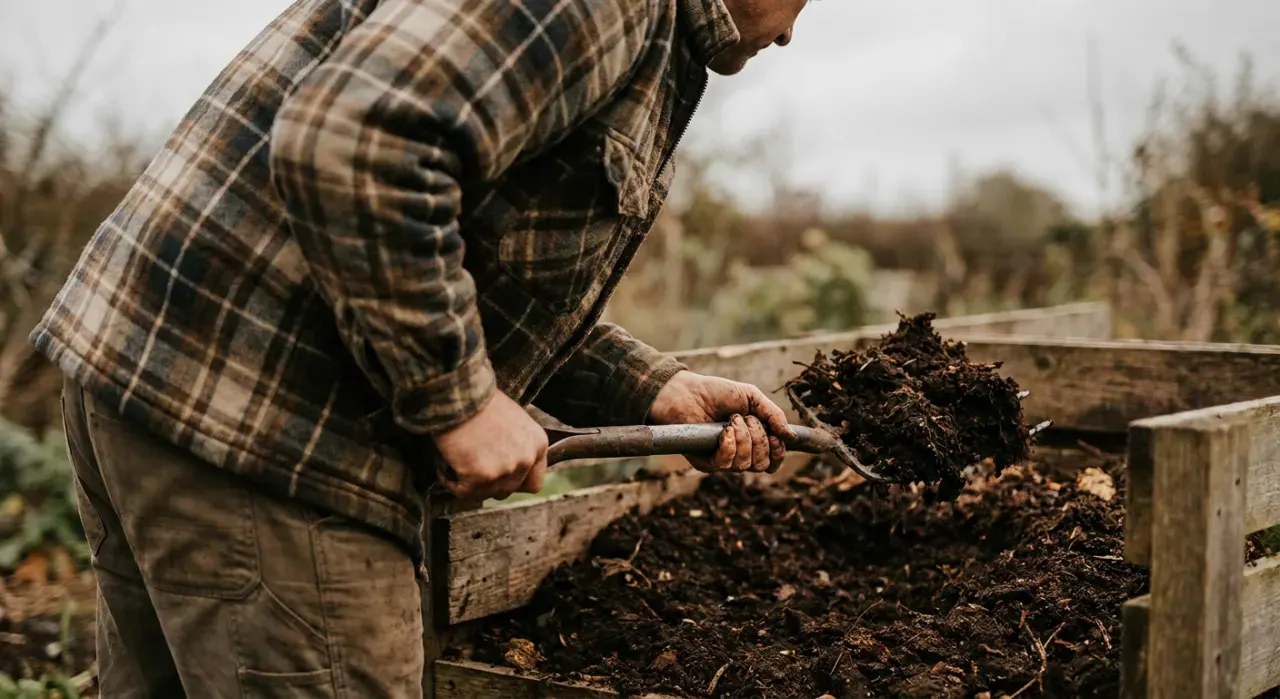
Decide first what the test is for. If you are monitoring — checking that the beds you already understand have not drifted, or confirming that last year's lime did something — a home kit is exactly right, and buying tests in quantity matters more than buying precision. If you are deciding — establishing a new garden, diagnosing a failing lawn, planning acid-loving shrubs, or buying more than a couple of bags of anything — pay for a lab test. The rule of thumb: if the amendment costs more than the test, test properly. Oregon State Extension puts it plainly — home test kits and devices generally will not give results as accurate as a soil testing service, and are not recommended for problem solving or for understanding nutrient levels in detail.
Then take the sample correctly, because the best kit in the world cannot fix a bad sample. Collect small slices from six to eight spots across the area, at root depth — roughly 6 inches for vegetable beds, 4 inches for lawn — mix them in a clean plastic bucket, and test that composite. Never use a galvanized or brass tool for a sample you are testing for micronutrients, avoid sampling right after fertilizing or liming, and keep areas that are managed differently as separate samples.
Understand what each format can and cannot report. Home kits cover pH and the big three macronutrients; they do not touch calcium, magnesium, sulfur, organic matter or cation exchange capacity, which are often the numbers that explain a persistent problem. The university and private laboratories listed by Iowa State Extension report the full set. Lab kits cover all of it. Probe meters cover moisture well and pH badly.
Finally, remember that pH is the master variable. Most vegetables want 6.0 to 7.0, blueberries want 4.5 to 5.5, and lawns are happiest around 6.5. Outside those ranges, nutrients that are physically present in the soil simply are not available to roots — which is why so many gardens that test low in everything need lime, not fertilizer. Lime raises pH slowly and elemental sulfur lowers it slowly, so apply in fall and re-test the following season.
What Owners Actually Complain About
Five complaints recur across this category. Ambiguous colors tops the list for every comparator kit — the difference between “adequate” and “deficient” is often two similar shades of green under whatever light your kitchen has, and reviewers describe holding the vial against a window for a definitive answer. Disagreement with laboratory results is the second, and it is a fair criticism as long as it is aimed at the right target: home kits report ranges, not values. Illinois Extension is blunter still — home test kits do not give accurate results, where accredited labs work to established protocols — and puts a typical lab test at around $15 to $30.
Unreliable nitrogen readings are specifically and repeatedly mentioned. Nitrogen is genuinely volatile in soil, converting and leaching on a scale of days, so even a perfect test is a snapshot — but the home chemistry for it is also the weakest of the four. Probe meters reading nonsense is the loudest complaint on the budget end, usually from owners who bought a moisture meter believing it was a pH meter.
And turnaround time is the mail-in kits' recurring gripe, particularly in March and April when every gardener in the country posts a jar of soil in the same fortnight. Test in the fall and the queue disappears, along with the pressure of needing an answer before planting.
The Verdict
Start with the Luster Leaf 1601 Rapitest. It costs almost nothing, it gives you enough tests to sample every part of the yard separately, and it will reliably catch the pH problem that is behind a surprising share of struggling gardens. Before you spend money on amendments, back it up with a Soil Savvy or MySoil lab test — a real number and a real recommendation for around thirty dollars is the best value in this whole category. If color matching defeats you, the 1605 digital solves that specific problem, and if you are testing repeatedly and professionally, the LaMotte 5010-01 is the accurate workhorse.
Check price on Amazon → (paid link)
Next: make sense of the numbers in how to read a soil test, fix the structure problem behind most bad results with how to improve clay soil, or start making your own amendment with the best compost bin and the best compost tumbler.