 Garden

Affiliate Disclosure
Some links on this page are affiliate links. As an Amazon Associate, we earn from qualifying purchases — at no extra cost to you. We do not buy, test, or physically handle the products we cover; our rankings come from aggregated owner reviews, ratings and expert consensus. Commissions never change our verdicts. How we rank · full disclosure.
Warm white — 2700K to 3000K — is the best color temperature for most landscape lighting. It flatters brick, stone, wood, foliage and skin, and mimics the familiar glow of the halogen fixtures it replaced. Use 2700K for the warmest, most golden look on architecture and hardscape, and 3000K where you want foliage to read a little greener. Reserve cool light of 4000K and above for one specific job: a deliberate moonlight effect aimed down through tree canopies. Above all, keep the whole yard within one narrow band so it looks cohesive rather than patchy.
Why is warm white the default outdoors?
Because it reads as natural and welcoming, and because it matches what people already associate with home. For decades landscape lighting used halogen lamps, which glow at roughly 2700K to 3000K, so that warm range is the visual reference everyone carries for how a lit garden should look. Warm light also flatters the materials a typical yard is made of — warm-toned masonry, timber, gravel and skin all look their best under it, while cooler light drains them and makes an evening patio feel like a parking lot.
| Color temperature | Appearance | Best for |
|---|---|---|
| 2700K | Warm, golden (halogen-like) | House facades, brick, stone, wood, gathering areas |
| 3000K | Warm white, slightly crisper | Foliage, lawns, mixed schemes, modern homes |
| 3500K | Neutral-warm | Greenery you want to read vividly; transitional |
| 4000K+ | Cool white, bluish | Moonlighting from above only; security floods |
The full relationship between brightness and color is covered in lumens and color temperature — color temperature sets the mood, lumens set how much of it there is, and the two are chosen together.

Should different features get different temperatures?
Yes, within limits, and this is where a scheme goes from adequate to good. The guiding idea is to warm the built environment and slightly cool the plantings.
- The house and hardscape — 2700K. Warm light makes masonry and wood glow and keeps entertaining areas inviting.
- Foliage, shrubs and lawn — 3000K, sometimes 3500K. The cooler end renders green more truly so plants look alive rather than yellowed.
- Tree canopies, moonlight effect — 4000K+, but only aimed down from high in the tree. The cool cast mimics moonlight and reads as artificial anywhere else.
- Water features and pools — cooler light suits water, but keep the surrounding fixtures warm so the contrast is deliberate.
Pairing a warm 2700K wash up a trunk with a cool moonlight downlight from the branches is a classic combination — the warmth grounds the tree, the coolness above suggests real moonlight. Plan these choices as part of the overall lighting design rather than fixture by fixture.
Why does consistency matter more than the exact number?
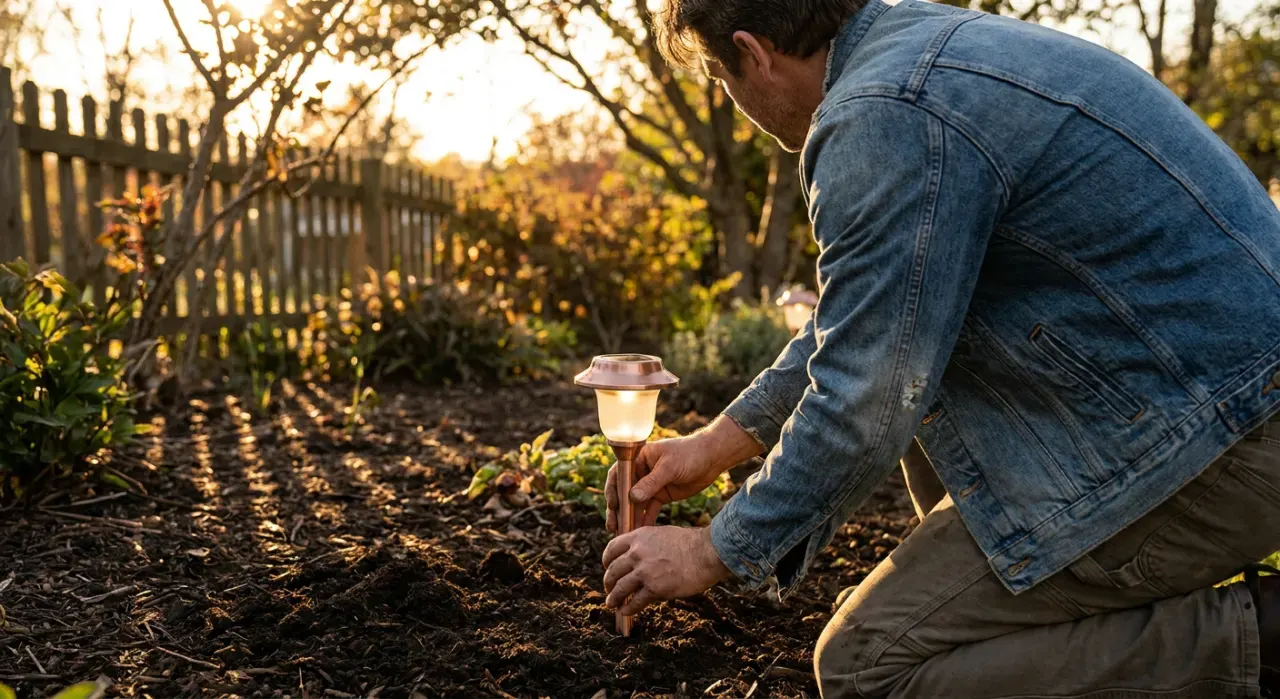
Because the eye forgives a slightly-too-warm or slightly-too-cool scheme, but it never forgives a mismatched one. A yard with three different color temperatures scattered through it looks unplanned and cheap, some pools of golden light and some of harsh blue-white. The most valuable single rule in landscape lighting is to commit to one color temperature — or a deliberate, limited pairing — and hold to it everywhere. Buy all the fixtures for a scheme as a matched set, and when one fails, replace it with the same Kelvin rating rather than whatever the store has in stock. Mixing brands is also how color drift creeps in, since two makers' "3000K" can differ.
What about CRI and dimming?
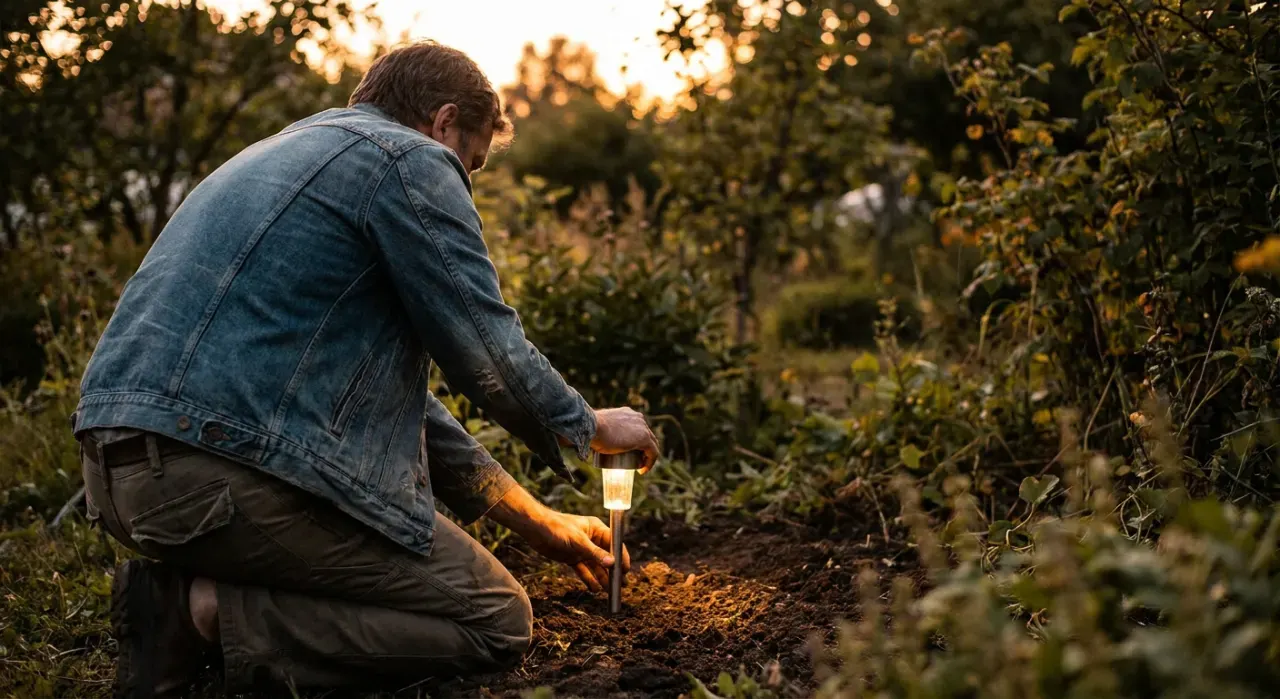
Color temperature is only half of color quality; CRI — the Color Rendering Index — is the other half. It measures how truthfully a light shows real colors, on a scale to 100, and for landscape use you want 80 or higher, ideally 90+ where planting color matters. A high-CRI 3000K fixture makes a garden look richer than a cheap low-CRI one at the identical Kelvin. Where the system allows dimming, warm light dimmed low reads even cozier, which is why 2700K on a dimmable transformer is a common choice for patios and gathering spots. Choose fixtures on color quality, not just wattage — the roundups weigh this in best low-voltage landscape lights.
We never buy, test or physically handle the products we rank. Recommendations come from aggregated owner reviews, star ratings, review volume and expert consensus — see how we rank.
More from this hub: Garden Lighting · Lumens and color temperature · Landscape lighting design · Best low-voltage landscape lights · How we rank