 Garden


Affiliate Disclosure
Some links on this page are affiliate links. As an Amazon Associate, we earn from qualifying purchases — at no extra cost to you. We do not buy, test, or physically handle the products we cover; our rankings come from aggregated owner reviews, ratings and expert consensus. Commissions never change our verdicts. How we rank · full disclosure.
Match the method to the severity. Light surface rust comes off in about ten minutes with a wire brush, steel wool and a little oil. Moderate rust wants an overnight soak in white vinegar or a citric acid solution, followed by scrubbing. Heavy, pitted rust needs a wire wheel or flap disc on a drill or grinder. Whichever you use, the step people skip is the one that matters: rinse, neutralize with a baking soda solution, dry thoroughly, and oil immediately, or the bare steel flash-rusts within hours.
We never buy, test or physically handle the products we rank; recommendations come from aggregated owner reviews and expert consensus, described in how we rank. More at the garden hand tools hub.
Which method for which tool?
| Method | Time | Best for | Watch out for |
|---|---|---|---|
| Wire brush + steel wool + oil | 10–20 min | Light surface rust on any tool | Scratches; use fine grades on blades |
| White vinegar soak | 4–24 hr | Moderate rust, small tools, pruner parts | Attacks bare steel if left too long; must be neutralized |
| Citric acid solution (1/4 cup per gallon hot water) | 2–8 hr | Moderate rust, faster and less smelly than vinegar | Same neutralizing rule |
| Wire wheel or flap disc on a drill or grinder | 2–10 min | Heavy rust on spades, forks, hoes, mattocks | Removes metal; eye protection mandatory |
| Commercial phosphoric acid remover or converter | 15 min–overnight | Pitted rust, tools you want protected afterward | Follow the label; ventilate; gloves |
| Electrolysis (washing soda, battery charger) | 4–24 hr | Antique or valuable tools where metal loss matters | Setup effort; do not use on stainless or aluminum |
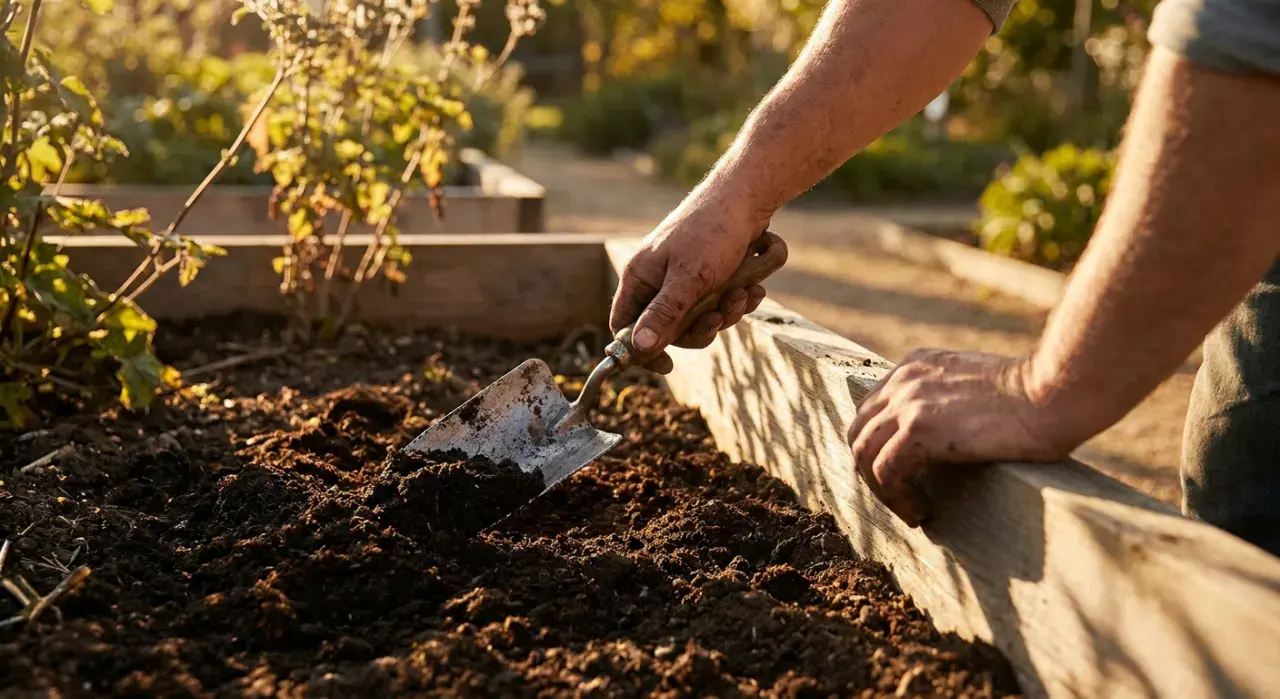
How do you do the vinegar soak properly?
- Take it apart where you can — pruners come apart with one nut, and rust hides in the pivot.
- Clean off soil and sap first with soap, water and a stiff brush. Acid works on rust, not on dirt.
- Submerge fully in white vinegar in a plastic tub. Keep wooden handles out of the liquid; they swell and split.
- Soak 4 to 12 hours for light rust, up to 24 for heavy. Check every few hours — the moment the rust wipes off easily, it is done.
- Scrub with a brass or nylon brush, or fine steel wool.
- Neutralize. Rinse in clean water, then in a solution of about a tablespoon of baking soda per quart of water. This is the step that stops flash rust.
- Dry completely and oil at once. A hair dryer or a warm spot speeds this along; do not let it air-dry slowly.
A note that catches people out: an acid soak strips the black oxide or paint finish along with the rust, leaving bright bare steel that is more rust-prone than what you started with unless you oil it. That is fine on a working spade and less welcome on a tool you wanted to keep original.
What about cutting edges?
Treat blades gently. Coarse abrasives and power wheels round over a bevel in seconds, and a rounded bevel cannot be recovered without re-grinding the whole edge. Use fine steel wool, a soft brass brush, or a short acid soak on pruner blades, then re-establish the edge with a file or diamond stone — sharpening only the outer bevel on bypass pruners, never the flat inner face. The full process is in how to sharpen garden tools, and the reason it matters for cut quality is in bypass vs anvil pruners.
How do you keep it from coming back?
Rust needs iron, oxygen and water, and the only one of those you control is water. Three habits cover almost all of it:
- Clean and dry before storing. Soil holds moisture against steel for days — it is the soil, not the rain, that rusts most tools.
- Oil the metal. A thin wipe of boiled linseed, mineral or camellia oil, or a spray lubricant. Mineral oil is the sensible choice for tools used around food crops.
- Hang tools in a dry place. Standing on a concrete floor wicks moisture straight into the metal; a garage wall rack solves it. More in how to store garden tools.
If rust is a recurring annoyance, the material choice is worth revisiting for future purchases — see is stainless steel or carbon steel better for garden tools. The longer walkthrough of removal is in remove rust from tools, and if a tool is genuinely past saving, ranked replacements are in best garden tool set and best garden trowel.