 Garden

Affiliate Disclosure
Some links on this page are affiliate links. As an Amazon Associate, we earn from qualifying purchases — at no extra cost to you. We do not buy, test, or physically handle the products we cover; our rankings come from aggregated owner reviews, ratings and expert consensus. Commissions never change our verdicts. How we rank · full disclosure.
The short answer: a well-made electric fireplace lasts 10 to 20 years, and budget units typically 5 to 10. The parts age at different rates: LED flame arrays are rated for 20,000 to 50,000 hours, which is a decade or more of nightly use; heating elements are simple resistance coils that rarely fail; and the blower motor is the usual first failure at 5 to 10 years, announcing itself as a rattle or whine before it stalls. Remote receivers and control boards are the other common weak point.
We do not physically handle the products we rank; picks come from aggregated owner reviews and expert consensus — see how we rank. Model shortlists are in best electric fireplace.
Which parts wear out, and when?
An electric fireplace has fewer failure points than almost any other heating appliance — no combustion, no fuel, no venting, no annual service. What it does have is one motor, one element, a set of LEDs and a control board, and they age on very different schedules. Knowing which is which matters because a noisy blower is a repairable annoyance while a failed control board on an out-of-warranty budget unit usually ends the appliance.
| Component | Typical life | Failure signs | Repairable? |
|---|---|---|---|
| LED flame array | 20,000 – 50,000 hours | Dimming, uneven color, dead segments | Sometimes, brand dependent |
| Heating element | 15 – 20 years | Fan runs cold, breaker trips instantly | Rarely economic |
| Blower motor | 5 – 10 years | Rattle, whine, stalling, cutouts | Often, if parts are sold |
| Control board / relay | 8 – 15 years | Heat will not engage, erratic modes | Usually not economic |
| Remote and receiver | 3 – 8 years | Unresponsive, intermittent | Yes, cheap |
| Glass and trim | Indefinite | Cosmetic only | Yes |
How do I make one last longer?
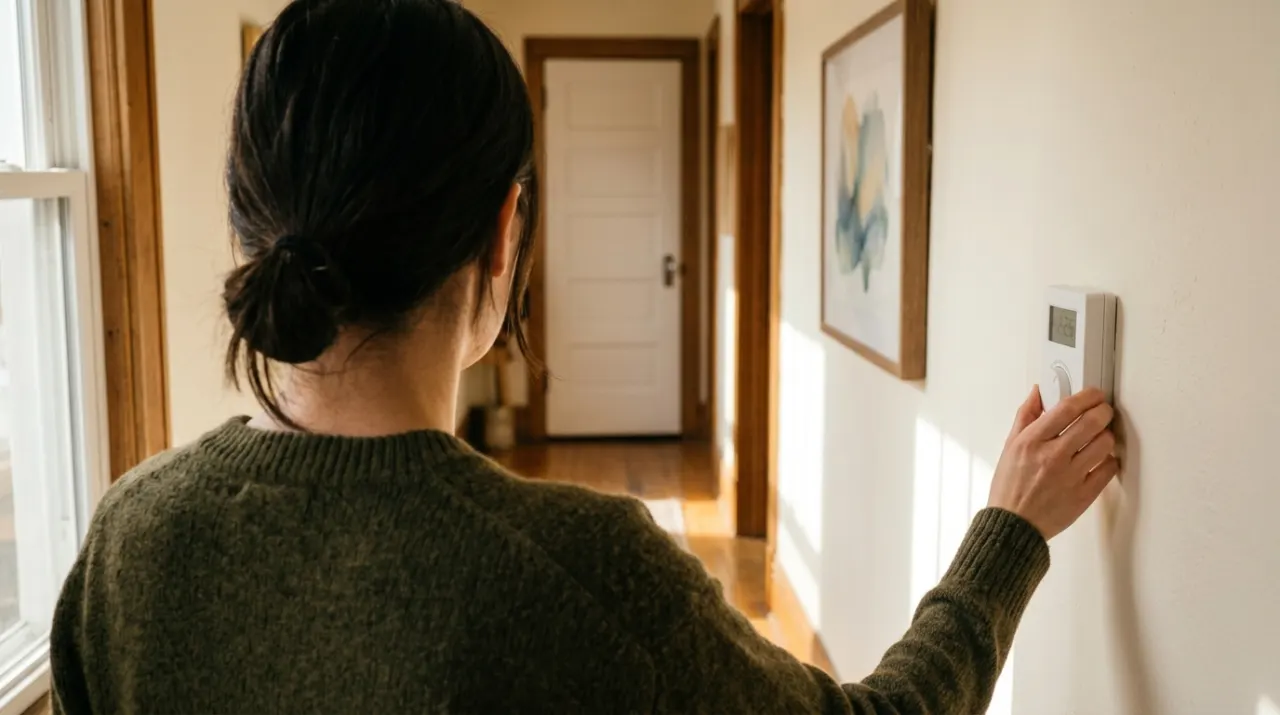
Almost all of it comes down to airflow and dust. The blower pulls room air across the element, and a clogged intake grille both shortens the motor life and drives the thermal cutout, which is the fault most owners eventually report. Vacuum both grilles with a brush attachment at the start of each heating season with the unit unplugged and cold. Respect the clearances in the manual for recessed installations, because a fireplace boxed into a media wall with no discharge path runs hot every single evening.
- Vacuum intake and outlet grilles once a season, unplugged and cold — the CPSC asks owners to inspect the heater, cord and plug for damage before use, and warm plugs or cords mean stop.
- Keep 3 feet clear — the separation the US Fire Administration specifies between a heat source and anything that can burn — in front of the discharge — good for life and required for safety.
- Use the thermostat so the element cycles instead of running continuously.
- Wall outlet only — no extension cords or power strips on a 12.5 amp continuous load.
- Run the flame without heat outside winter: 10 to 30 watts, and no blower hours.
When is it time to replace it?
Replace when the failure is in the element, the control board or the relay on an out-of-warranty unit, because proprietary parts and service labour typically approach the cost of a new mid-range fireplace. Replace immediately, without diagnosis, if there is a burning smell that persists past the first hour of the season, any arcing sound, a scorched or discolored plug, or a breaker that trips the instant heat engages. Those are electrical faults on a high-continuous-load appliance and are not worth living with.
If yours has simply stopped producing heat, work through why is my electric fireplace not heating first — the most common cause is a switch, not a failure. For the replacement decision, see are electric fireplaces worth it, how many square feet does an electric fireplace heat and running costs in do electric fireplaces use a lot of electricity. More in the heating and cooling hub.