 Garden

Affiliate Disclosure
Some links on this page are affiliate links. As an Amazon Associate, we earn from qualifying purchases — at no extra cost to you. We do not buy, test, or physically handle the products we cover; our rankings come from aggregated owner reviews, ratings and expert consensus. Commissions never change our verdicts. How we rank · full disclosure.
The short answer: the ideal home humidity level is 30 to 50 percent relative humidity, the range the US Environmental Protection Agency recommends, with most people finding 40 to 50 percent the most comfortable. Stay below 60 percent to prevent mold and dust mites, and above 30 percent to avoid the dry-air problems of static, cracked skin, and irritated sinuses. A hygrometer costs a few dollars and is the only way to know where your home actually sits.
We do not run environmental test labs; this guidance follows the EPA's published recommendations and the consensus of home-health and HVAC sources, as described in how we rank. Humidity is one of the most overlooked comfort factors — it changes how warm a room feels, how well you sleep, and whether mold ever gets a foothold.
The ideal range: 30 to 50 percent
The EPA recommends keeping indoor relative humidity between 30 and 50 percent, and below 60 percent, specifically to control mold and dust mites. That band is not just about health; it is also where the air feels most comfortable to most people, neither parching nor clammy. Relative humidity is the amount of water vapor in the air compared to the maximum the air can hold at that temperature, which is why the same moisture feels different in summer and winter — warmer air holds more water.
Within the recommended range, aim for the middle: 40 to 50 percent is the sweet spot for comfort in most homes. The two edges of the range are where problems start, and they are different problems.

When humidity is too high
Above 50 to 60 percent, moisture becomes a liability. The air feels clammy and warmer than the thermostat says, which is why a humid 78-degree room feels worse than a dry one. More seriously, high humidity is what mold and dust mites need to thrive:
- Mold and mildew colonize walls, ceilings, closets, and bathrooms when sustained humidity climbs past about 60 percent.
- Dust mites multiply in humid conditions, a common asthma and allergy trigger.
- Condensation forms on windows and cool surfaces, and a musty smell sets in.
- Wood damage — swelling doors, warping floors — follows prolonged dampness.
High indoor humidity is often driven by an oversized air conditioner that cools too fast to dehumidify, by unvented moisture from cooking, showering, and dryers, or by leaks and poor drainage. Whether a swamp cooler makes it worse in your climate is covered in do evaporative coolers work in humidity.
When humidity is too low
Below 30 percent, usually a winter problem when heating dries the indoor air, the dryness causes its own troubles: static shocks, cracked and itchy skin, chapped lips, dry eyes, irritated sinuses and throats, and more frequent respiratory discomfort. Dry air also damages the house — wood furniture, floors, and instruments can crack and gaps open in trim as the wood loses moisture. And dry air feels colder than it is, which tempts people to turn the heat up higher than they need.
The fix is to add moisture back with a humidifier and habits like keeping houseplants and letting bathroom steam disperse into the home. But do not overshoot: pushing winter humidity too high causes condensation and frost on cold window glass.
Measure it first
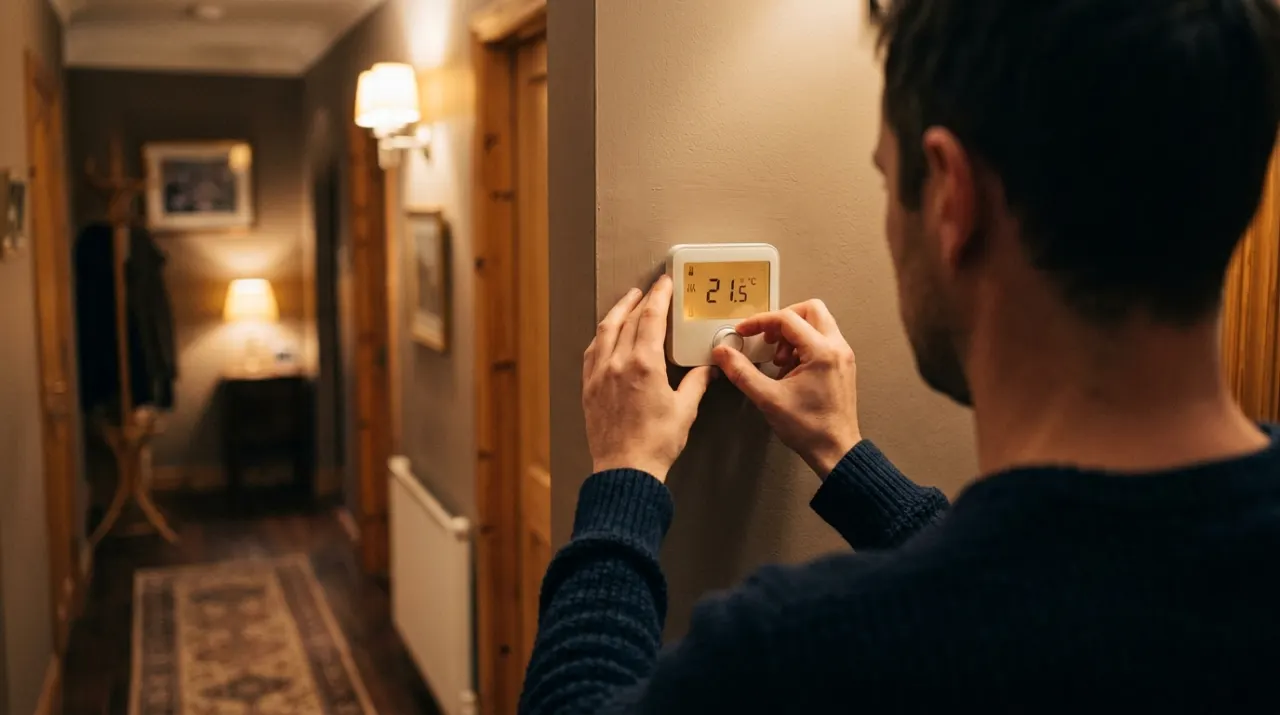
You cannot manage what you do not measure, and guessing is unreliable because dry air and humid air both just feel like temperature until it is extreme. A hygrometer — a small, inexpensive humidity gauge, often combined with a thermometer — tells you the actual relative humidity. Many smart thermostats and indoor air-quality monitors report it too. Place a gauge in the rooms you care about most, because humidity varies a lot within a house.
| Reading | What it means | Action |
|---|---|---|
| Below 30% | Too dry | Add moisture with a humidifier |
| 30 to 50% | Ideal (EPA) | Maintain; 40 to 50% is most comfortable |
| 50 to 60% | Upper limit | Watch it; improve ventilation |
| Above 60% | Too high | Dehumidify and find the moisture source |
How to lower high humidity
Bringing humidity down comes in two parts: removing moisture and stopping it at the source. To remove it, run air conditioning (which dehumidifies as it cools) and a dedicated dehumidifier in damp spots like basements, laundry rooms, and closets. To stop it at the source, use exhaust fans in the kitchen and bathroom and run them during and after cooking and showering, vent the clothes dryer outdoors, and fix any leaks or drainage problems promptly. Improving general ventilation moves damp air out.
If the whole house is humid despite the AC running, the system may be oversized or short-cycling; running longer cycles and, in humid climates, adding a whole-house dehumidifier usually fixes the clammy feeling that a too-fast AC leaves behind.
How to raise low humidity
To add moisture in dry winter air, a humidifier is the most direct tool — sized to the room or the whole house, and cleaned regularly so it does not blow mold or bacteria into the air. Supporting habits help: houseplants release moisture, air-drying laundry indoors adds it, leaving the bathroom door open after a shower shares the steam, and simply not overheating the house keeps the air from feeling as dry. Aim back into the 30 to 50 percent range, and stop short of causing window condensation.
Problem rooms and where to measure
Whole-house humidity is an average that can hide trouble spots, so treat certain rooms as their own zones. Basements are the classic offender: cool below-grade walls, limited airflow, and ground moisture push them well above the rest of the house, which is why a basement often needs its own dehumidifier even when the upstairs reads fine. Bathrooms spike during and after showers, so an exhaust fan run through the shower and for 15 to 20 minutes afterward is the single best control there. Kitchens spike during cooking, and unvented gas ranges add moisture as well as combustion byproducts.
Bedrooms matter for sleep and health, so a gauge on the nightstand is worth having. Closets and corners against exterior walls are where mold shows up first because they combine cool surfaces with dead air. Put a hygrometer in the basement, a bathroom, and a bedroom rather than relying on one central reading, and act on the highest number, since it is the wettest spot that grows the mold, not the average.
Season by season
Humidity control is a two-season job in much of the country. Summer is about removing moisture: the AC, exhaust fans, and a dehumidifier keep you under the mold threshold while outdoor air is heavy. Winter is about adding it back: heating strips moisture out, so a humidifier and moisture-adding habits pull you off the dry edge. In the shoulder seasons you may need neither. A hygrometer in each key room tells you which way to adjust, and a smart thermostat that reports humidity makes it easy to track.
Because AC run time drives summer moisture removal, the way you set your thermostat matters — see the best temperature for AC in summer. Keeping the HVAC filter clean helps the system move and condition air properly, covered in how often to change an HVAC filter, and the rest of our comfort guidance lives at the heating and cooling hub. How we make recommendations is explained in how we rank.