 Garden

Affiliate Disclosure
Some links on this page are affiliate links. As an Amazon Associate, we earn from qualifying purchases — at no extra cost to you. We do not buy, test, or physically handle the products we cover; our rankings come from aggregated owner reviews, ratings and expert consensus. Commissions never change our verdicts. How we rank · full disclosure.
The short answer: the best temperature for AC in summer is 78 degrees Fahrenheit when you are home and awake, the setting the US Department of Energy recommends as the balance point between comfort and cost. Let it rise about 7 to 10 degrees higher when you are away or asleep, which is where most of the savings come from. A ceiling fan makes 78 feel several degrees cooler, so if that number sounds warm, the fan is the fix rather than a lower setpoint.
We do not run test chambers; this guidance is drawn from the US Department of Energy's published recommendations and the consensus of HVAC and energy sources, as described in how we rank. The core idea is simple physics: the closer your indoor setting is to the outdoor temperature, the less your system has to work.
The recommended AC temperature: 78F
The Department of Energy's guidance for summer is 78 degrees Fahrenheit while you are home and awake. It is not an arbitrary figure — it is the point where, for most people and most homes, the comfort you get is worth the energy you spend, and going lower costs disproportionately more for a small comfort gain. The reason is the temperature differential: an air conditioner works by moving heat out of your house, and the bigger the difference between inside and the hot air outside, the harder and longer it runs to hold that gap.
If 78 sounds warm, two things are worth knowing. First, your body acclimates — a setting that feels warm in June feels normal by July. Second, air movement changes everything, which is why the ceiling fan is the companion to this whole strategy.
Best AC settings by situation
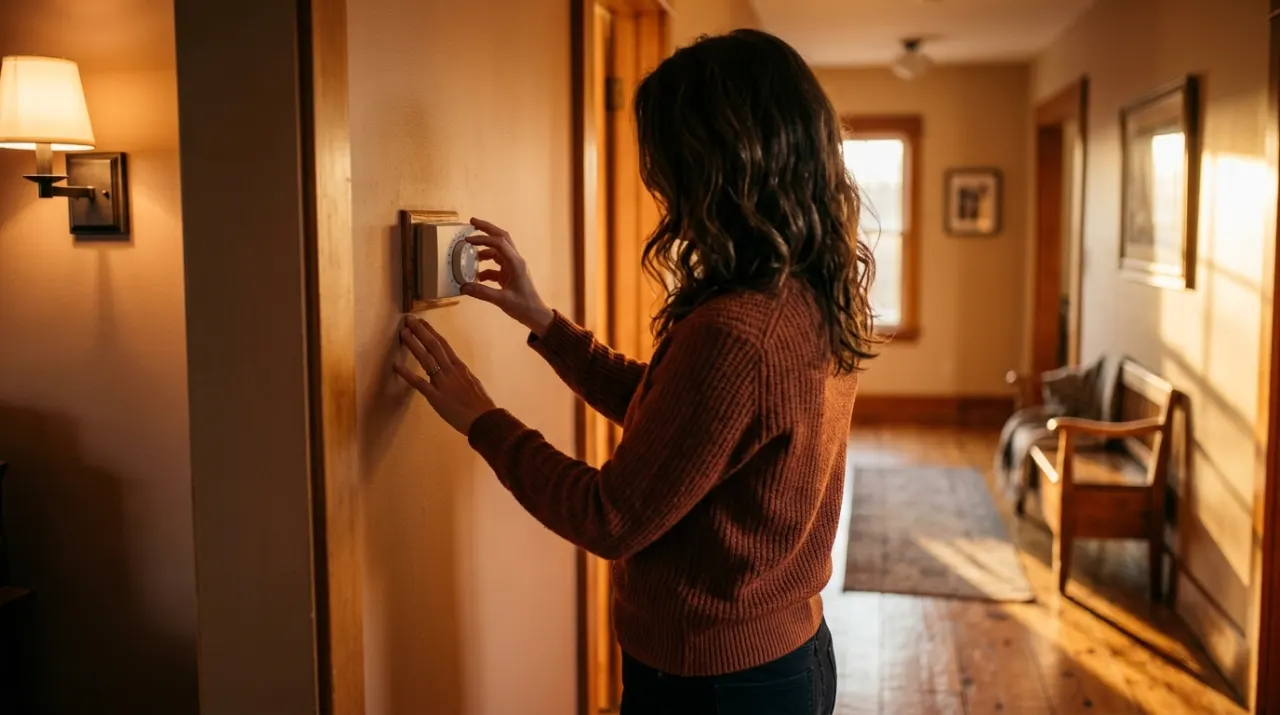
One number does not fit the whole day. The efficient approach adjusts the setpoint to whether the house is occupied:
| Situation | Suggested setting | Why |
|---|---|---|
| Home and awake | 78F | DOE balance of comfort and cost |
| Away from home | 85 to 88F | No need to cool empty rooms; biggest savings |
| Sleeping | 82 to 85F, or lower if needed for sleep | Cooler bodies and bedding, plus a fan, keep you comfortable |
| Very hot day, sensitive occupants | Lower as needed for health | Comfort and safety come first for the elderly, infants, and the ill |
The single most valuable habit is the setback when you leave: raising the target 7 to 10 degrees for the hours the house is empty is where the Department of Energy's roughly 10 percent annual savings estimate comes from.
Use fans to make 78 feel cooler
A ceiling or portable fan does not lower the room's temperature, but it makes your skin feel several degrees cooler by moving air across it and speeding evaporation. That wind-chill effect is what lets most people sit comfortably at 78 when they were used to 74. Run the fan only in rooms you occupy — since it cools people, not the air, leaving one on in an empty room just wastes electricity — and set ceiling fans to spin counterclockwise in summer to push air down.
For how to set that direction, see which way a ceiling fan should spin in summer, and whether fans actually help at all in do ceiling fans actually cool a room. If you are choosing a fan, our field is in best ceiling fan.
Lower does not mean faster
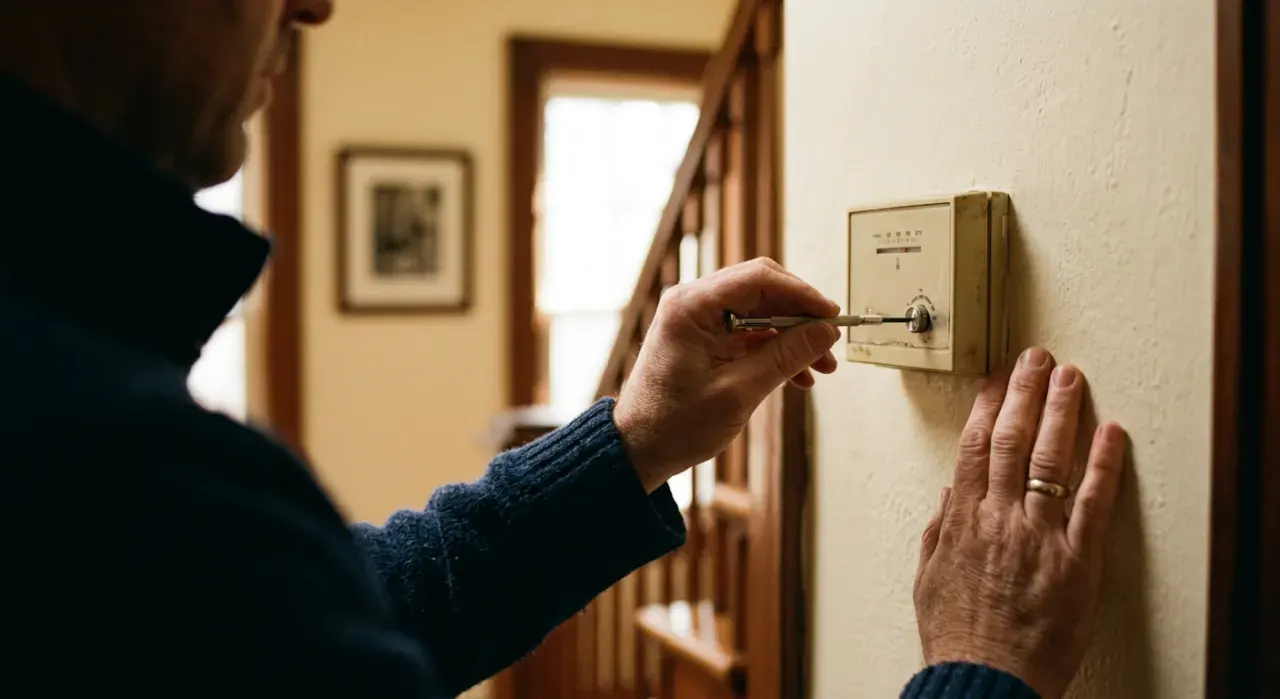
The most common thermostat myth is that setting a very low number cools the house faster. It does not. An air conditioner runs at a fixed cooling rate; the thermostat only tells it when to stop. Set it to 65 and it does not blast harder — it simply runs and runs toward a target it may take a long time to reach, using more energy and frequently overshooting into a house that is too cold. When you come home hot, set your normal target, turn on a fan for immediate relief, and let the system work down at its own steady pace.
What the right AC temperature saves you
The Department of Energy estimates you can save around 10 percent a year on heating and cooling by setting your thermostat back 7 to 10 degrees for 8 hours a day from its usual position. In summer, that means the away and overnight setbacks do the heavy lifting. Each degree you are willing to raise the home setpoint also trims run time. The exact dollars vary with your climate zone, electricity rate, and how tight your house is, but the relationship holds everywhere: a higher summer setting plus disciplined setbacks lowers the bill.
For the money-focused version of this question, see the best temperature to set AC to save money, which digs into the cost math.
Let a smart thermostat do the work
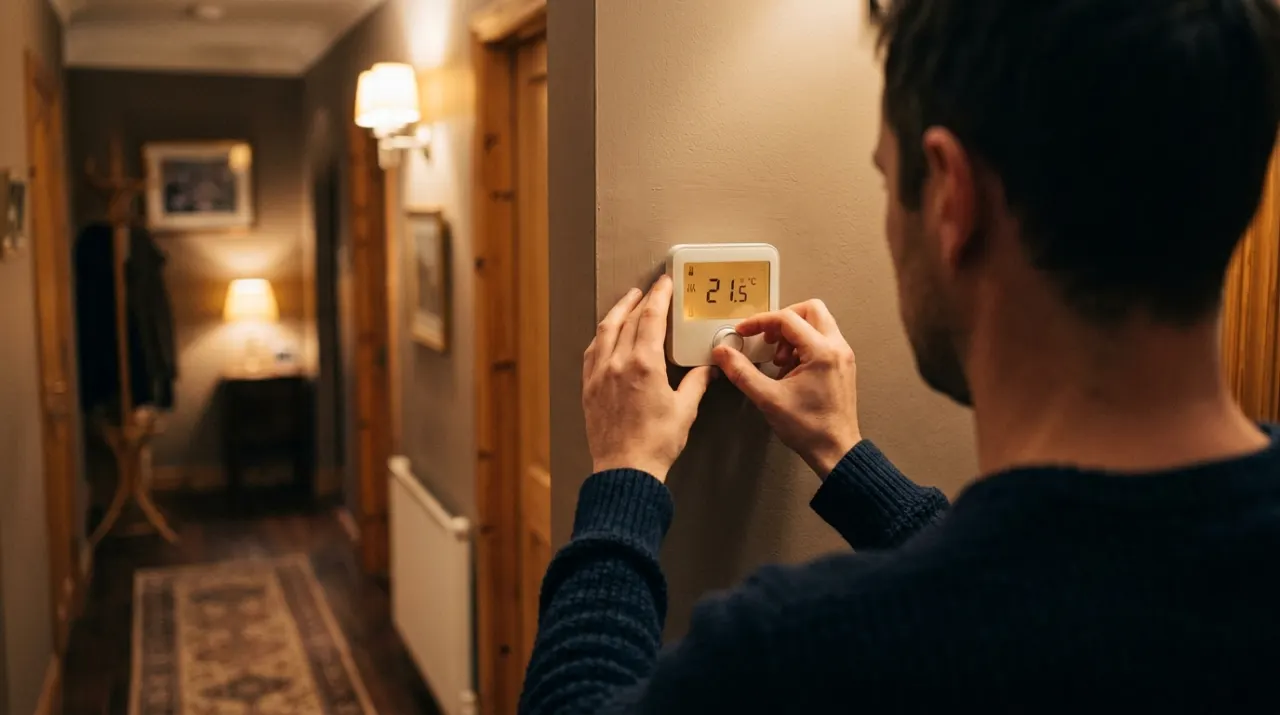
Remembering to raise the setting every time you leave and lower it before bed is exactly the kind of task people forget, which is why a programmable or smart thermostat pays off. It runs your away and overnight setbacks automatically and brings the house back to comfort before you wake or return, so you capture the savings without living in a too-warm house. Many models learn your schedule, respond to your phone's location, and report where your energy actually goes.
Whether the upgrade is worth it is covered in are smart thermostats worth it and how smart thermostats save money; if you are ready to buy, see best smart thermostat.
Common thermostat mistakes
A few habits quietly run up the summer bill without adding any comfort:
- Turning the AC completely off when you leave, then blasting it low on return. Letting the house get very hot means the system, and often your body, spend a long time recovering. A moderate setback (up to about 85 to 88 degrees) is more efficient than off-then-crank for most homes.
- Fighting other people over one degree. The comfort difference between 76 and 78 is smaller than it feels, especially with a fan; the cost difference is real.
- Placing lamps, TVs, or other heat sources near the thermostat, which fools it into over-cooling the whole house.
- Running ceiling fans in empty rooms. Fans cool people, not air, so a fan in an unoccupied room only adds heat from its motor.
- Ignoring the overnight setback. Bodies and bedding tolerate a warmer room asleep, so holding the daytime temperature all night is wasted cooling.
Fixing these costs nothing and, stacked together, often saves more than any single equipment upgrade.
Help the AC hold the setting
A few habits let your system reach 78 with less effort. Close blinds and curtains on sun-facing windows during the day to block solar heat gain — thermal or blackout window coverings noticeably reduce it. Change the HVAC filter regularly, since a clogged filter chokes airflow and makes the system run longer; see how often you should change an HVAC filter. Seal leaks around windows and doors so cooled air stays in, and keep heat-producing appliances and lamps away from the thermostat, which would trick it into over-cooling.
Together these mean the difference between a system that short-cycles against the heat and one that comfortably holds the recommended setting. For cooling without running the AC at all on milder days, see how to cool a room without AC, and the rest of our heating and cooling guidance is at the heating and cooling hub.