 Garden

Affiliate Disclosure
Some links on this page are affiliate links. As an Amazon Associate, we earn from qualifying purchases — at no extra cost to you. We do not buy, test, or physically handle the products we cover; our rankings come from aggregated owner reviews, ratings and expert consensus. Commissions never change our verdicts. How we rank · full disclosure.
Not to any meaningful degree in a real room. The idea comes from a 1989 NASA study that measured plants removing chemicals like formaldehyde and benzene — but inside small sealed chambers, not open homes. A 2019 reanalysis in the Journal of Exposure Science and Environmental Epidemiology found that to match the air exchange of a normal building you would need somewhere between 10 and 1,000 plants per square meter. A few pots simply cannot compete with ordinary ventilation. Houseplants offer real benefits — mood, comfort, a little humidity — but purifying your air is not one of them at practical scale.
Where did the air-cleaning claim come from?
The claim traces almost entirely to the NASA Clean Air Study, run in 1989 to explore keeping air clean on space stations. Researchers sealed individual plants in small chambers with specific pollutants and measured the concentration dropping — and it did, which is genuine and often repeated. The problem is the leap from a sealed liter-scale chamber to a ventilated room. A real home exchanges its air constantly through gaps, vents and doors, diluting and removing pollutants far faster than a handful of plants can absorb them. The study never claimed room-scale purification; that came later, in the retelling.
Why the numbers do not work in a room
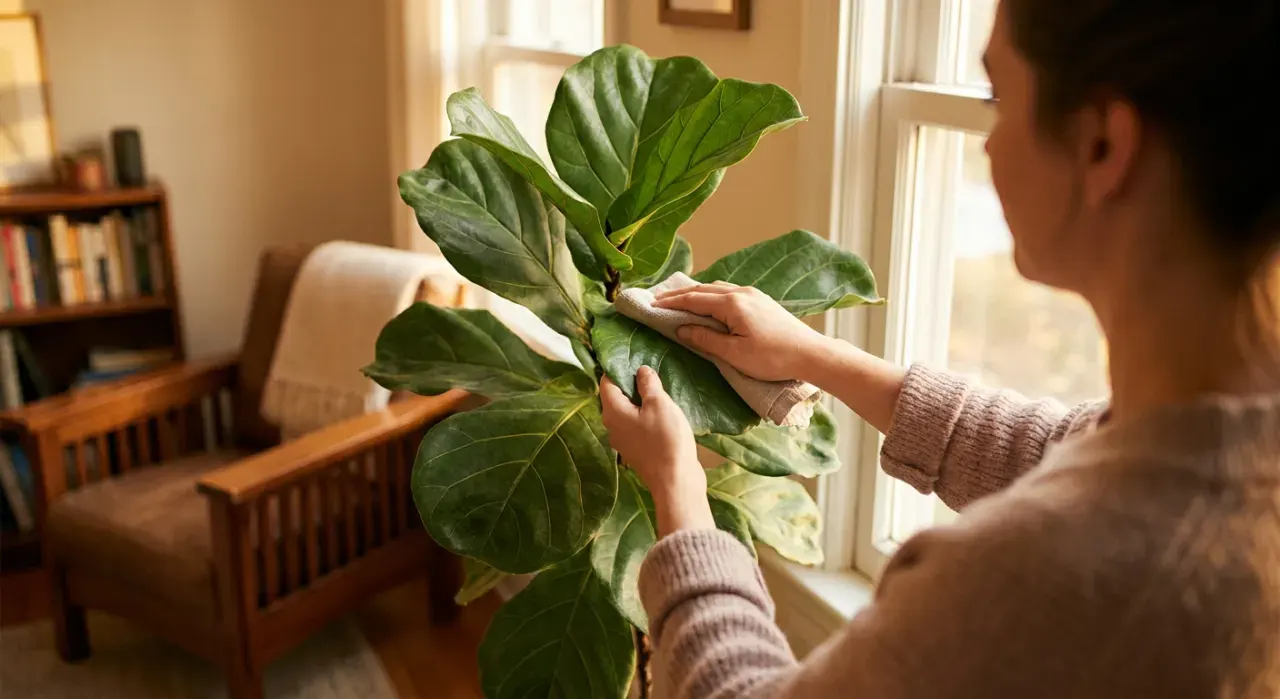
When researchers took the chamber data and scaled it to realistic rooms, the shortfall was stark. To rival the natural air exchange of a typical building, estimates ran to roughly 10 to 100 plants per square meter of floor — hundreds of plants for one modest room, a jungle no one maintains.
| Goal | What actually delivers it | What plants deliver |
|---|---|---|
| Remove VOCs / pollutants | Ventilation, source control | Negligible at room scale |
| Remove dust / particulates | HEPA air filter | None meaningfully |
| Add humidity | Humidifier | A little (transpiration) |
| Improve wellbeing / mood | Plants genuinely help | Real, well-documented |
What actually improves indoor air?
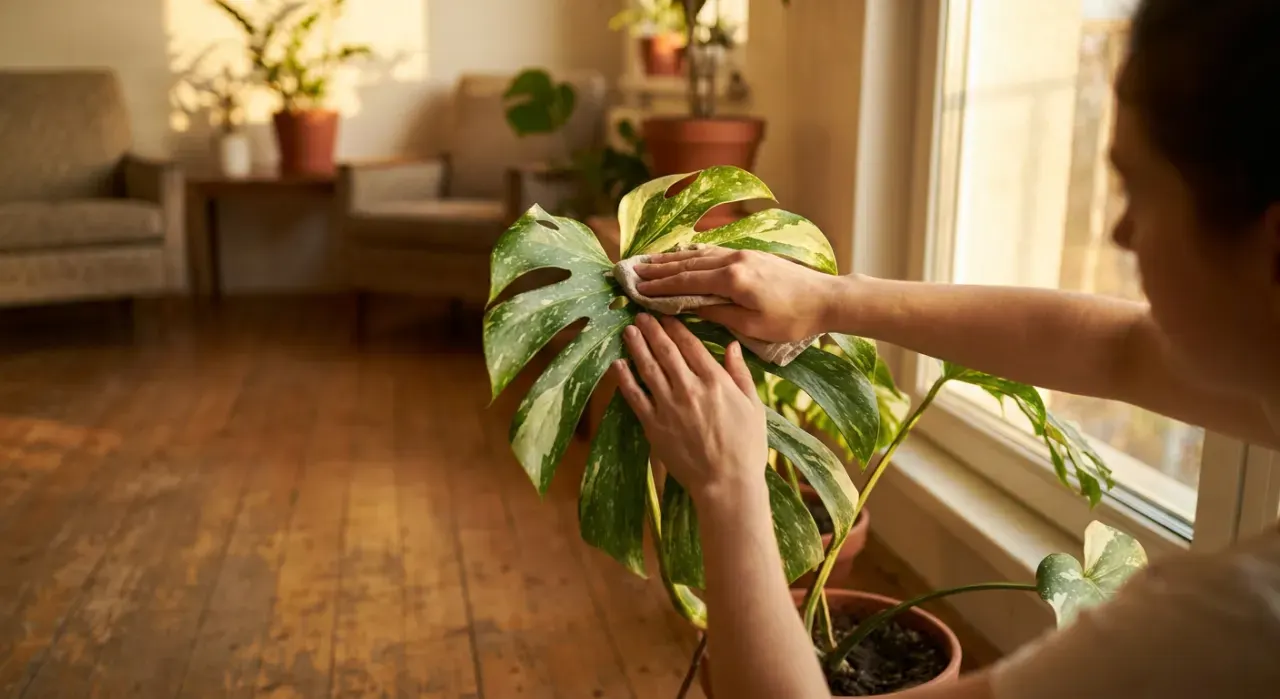
If air quality is the real goal, three strategies do the work, and the EPA ranks them clearly. Source control comes first — stop pollutants at the source by fixing leaks, choosing low-VOC paints and finishes, venting combustion appliances and not smoking indoors. Ventilation is second — bring in outdoor air and run exhaust fans in kitchens and bathrooms to flush pollutants out. HEPA air filtration is third, especially for dust, pollen and fine particulates. Plants are nowhere on that list as a primary tool, because they cannot match any of the three. A single open window does more for a room's air than a shelf of pothos.
Can plants hurt air quality?
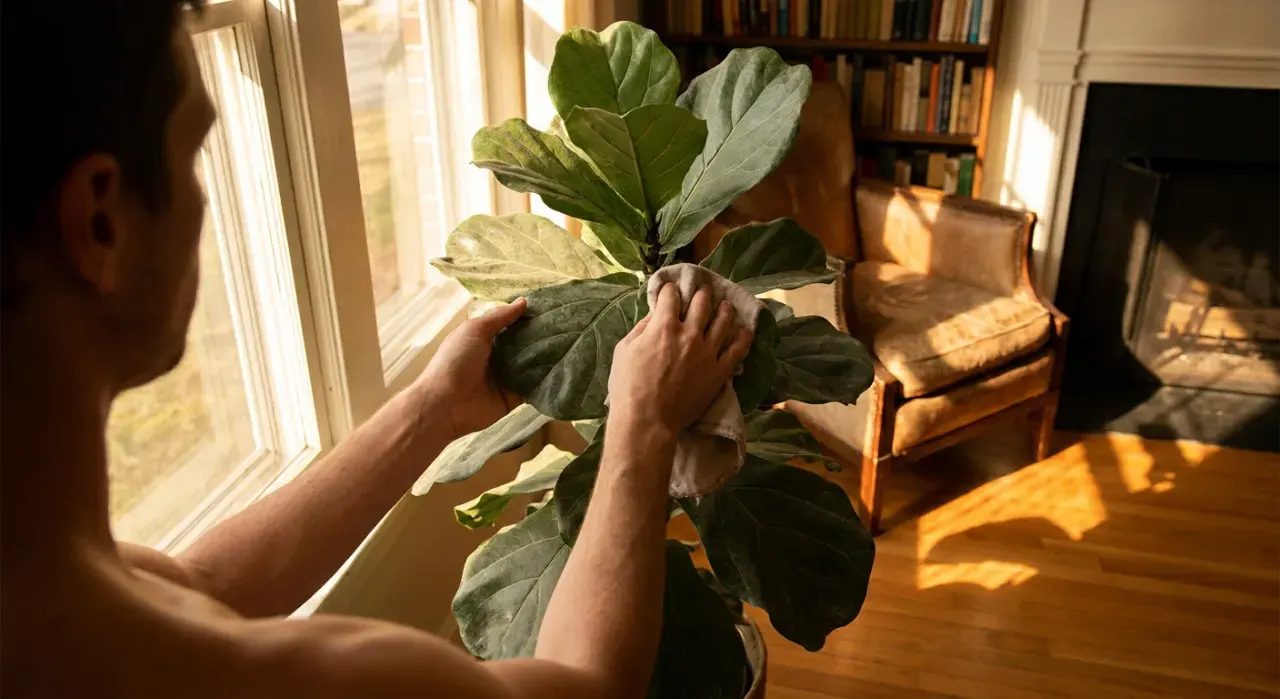
Neglected ones can. The risk is not the leaves but the soil: chronically overwatered, soggy pots grow mold, which can release spores that aggravate asthma and allergies in sensitive people. Some individuals also react to pollen or shed plant debris. This is manageable — water by the soil rather than on a schedule, use pots that drain, and do not let mix stay waterlogged — but it means a room full of wet, poorly drained pots is a net negative for air, not a positive. Healthy, well-drained plants are low-risk; damp-soil plants are a mold source.
The bottom line
Keep houseplants for how they make a room and your mood feel, not to clean the air — for that, ventilation, HEPA filtration and source control do the real work. Since overwatering is the one way plants can worsen air, our guides on saving an overwatered plant and how often to water houseplants keep soil from turning into a mold source. For easy plants that thrive with little fuss, see low-light houseplants.
We never buy, test or physically handle the products we rank. Recommendations come from aggregated owner reviews, star ratings, review volume and expert consensus — see how we rank.
More from this hub: Houseplants & Indoor Greenery · Low-light houseplants · How often to water houseplants · Save an overwatered plant · How we rank