 Garden
Affiliate Disclosure
Some links on this page are affiliate links. As an Amazon Associate, we earn from qualifying purchases — at no extra cost to you. We do not buy, test, or physically handle the products we cover; our rankings come from aggregated owner reviews, ratings and expert consensus. Commissions never change our verdicts. How we rank · full disclosure.
The most common reason a pothos turns yellow is overwatering — soggy soil that suffocates the roots — followed by aging lower leaves shedding naturally, too much or too little light, and occasionally a nutrient shortage. Yellow leaves on a pothos (Epipremnum aureum) are the plant's all-purpose distress flare, and the trick is reading which cause you are looking at, because the fix for overwatering is the opposite of the fix for underwatering. The good news: pothos is one of the toughest houseplants, and a yellowing plant caught early almost always recovers.
This guide walks through each cause, how to tell them apart, and what to do. Our advice reflects the consensus of experienced growers and extension resources, not first-hand trials; see how we rank.
Quick diagnosis of a yellowing pothos
Start by matching the pattern of yellowing to its likely cause, then confirm before acting.
| What you see | Most likely cause |
|---|---|
| Several lower leaves yellow, soil stays wet | Overwatering |
| Leaves yellow and crispy, soil bone dry, wilting | Underwatering |
| One old leaf low on the vine yellows now and then | Natural aging — normal |
| Pale yellow or bleached patches on sun-facing leaves | Too much direct light |
| Slow growth, pale small leaves, faded variegation | Too little light |
| Overall pale yellowing over time, no watering issue | Nutrient shortage |
Cause 1: overwatering (the usual pothos culprit)
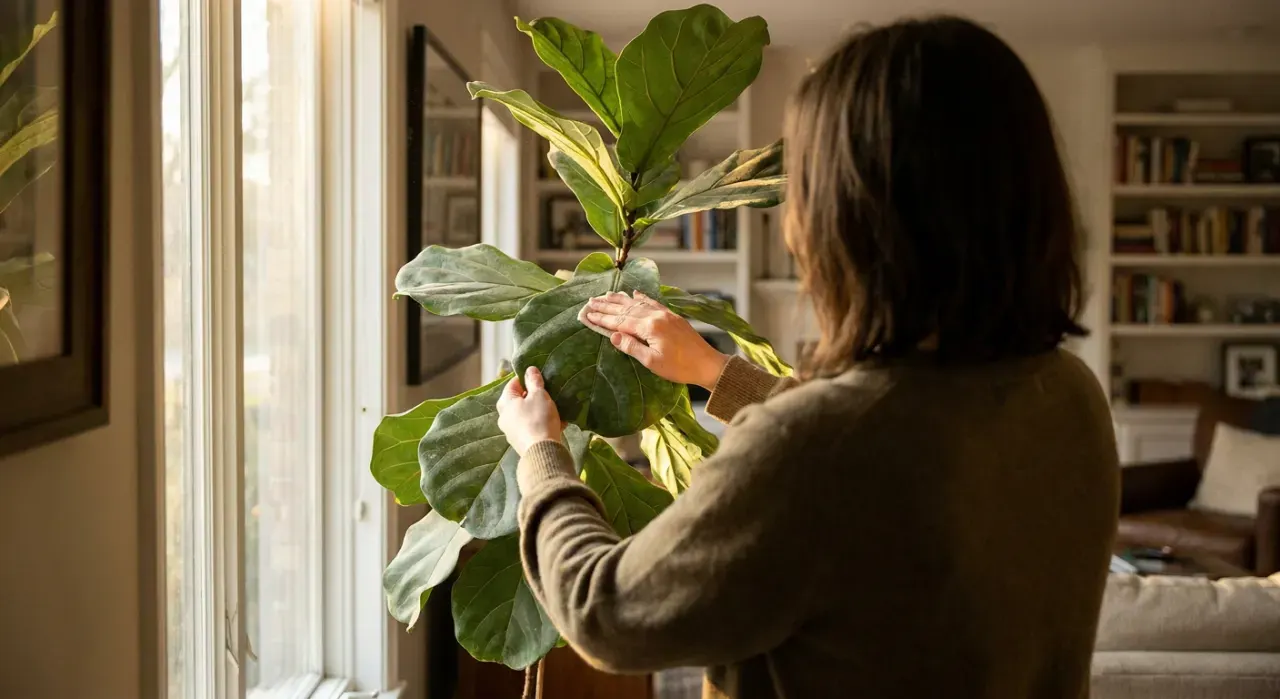
Overwatering is behind most yellow pothos leaves. When soil stays soggy, the roots cannot get oxygen, they begin to rot, and the plant can no longer take up water and nutrients — so leaves yellow, often starting low, and the plant may wilt even though the soil is wet, which fools people into watering more.
The fix:
- Stop watering and let the soil dry out. Move the plant to a bright spot with good airflow to help it dry.
- Check drainage. The pot must have drainage holes, and the plant must not sit in a saucer or cachepot of standing water.
- Inspect the roots if it does not improve. Slide the plant out. Healthy roots are firm and white; rotted roots are brown, mushy and smell foul.
- Trim and repot if you find rot: cut away the mushy roots with clean scissors and repot in fresh, well-draining mix.
- Water by feel from now on — only when the top inch or two of soil is dry.
The full rescue is in how do you save an overwatered plant, and the correct rhythm in how often to water houseplants.
Cause 2: underwatering
Less common with pothos, but a plant left dry too long yellows too. Here the leaves go yellow and then crispy and brown, the soil is bone dry, and the plant wilts and looks limp. Unlike an overwatered plant, an underwatered one perks up quickly after a good drink. The fix is simply to water thoroughly — soak until it drains from the bottom — and then resume checking the soil so it does not dry out completely again. If the soil has gotten so dry it repels water and runs straight through, soak the whole pot in a basin for 15 to 20 minutes to rehydrate it.
Cause 3: natural aging
Not every yellow leaf is a problem. Pothos naturally sheds its oldest leaves as it grows, redirecting energy into new foliage, so an occasional yellow leaf low on a vine is normal and no cause for concern. The signal that it is aging rather than a care issue: it is a single old leaf, the rest of the plant looks healthy, and it is not spreading. Just trim the old leaf off and carry on.
Cause 4: light problems
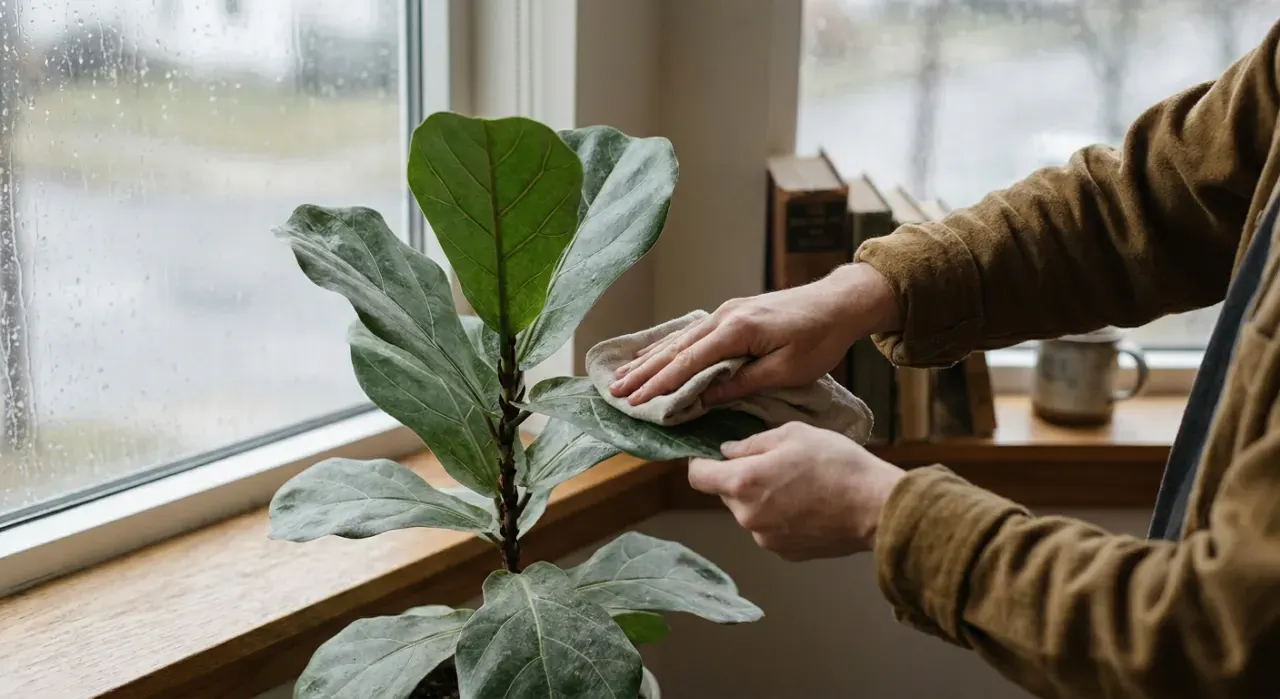
Light causes yellowing at both extremes. Too much direct sun bleaches and scorches leaves, giving pale yellow or washed-out patches and brown crispy spots on the leaves closest to the window; move the plant out of the direct beam into bright indirect light. Too little light causes slow, leggy growth with smaller, paler leaves and fading variegation; move it somewhere brighter. Pothos is famously adaptable, but bright indirect light keeps the color richest. See how much light do houseplants need.
Cause 5: nutrient shortage
A pothos that has been in the same soil for a long time without feeding can yellow from a lack of nutrients, typically as a gradual, overall paling rather than a few dramatic leaves. Nitrogen shortage is the common one. If watering and light are clearly fine and the plant has not been fed or repotted in a long time, feed with a balanced houseplant fertilizer during the growing season and consider refreshing the soil. Do not overcorrect — too much fertilizer burns roots and causes its own yellowing and leaf-tip browning. Options are in best indoor plant fertilizer.
Other causes to rule out
- Cold or drafts. Pothos dislikes cold; a leaf near a chilly window or a draft can yellow. Keep it above about 55 F and away from cold air.
- Temperature swings and shock. A recently moved or repotted plant may yellow a leaf or two as it adjusts, then settle.
- Pests. Rarely, sap-sucking pests like spider mites or mealybugs cause stippled yellowing; check leaf undersides for fine webbing or cottony spots and treat with insecticidal soap.
When yellowing pothos means root rot
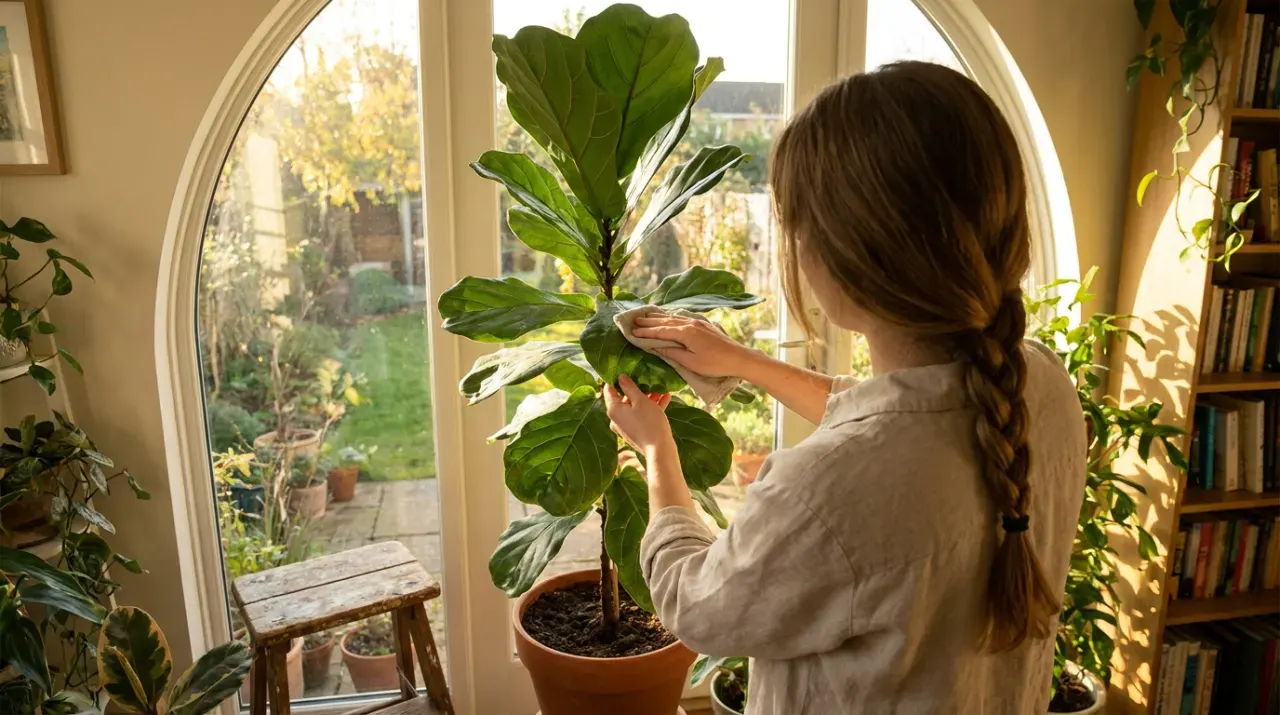
The most serious cause of a yellowing pothos is root rot, the endpoint of prolonged overwatering, and it is worth recognizing because the fix is more involved than simply watering less. Root rot sets in when roots sit in soggy, oxygen-starved soil long enough to suffocate and die, after which fungi move in on the dead tissue. The plant then cannot take up water even though the soil is wet, so leaves yellow, wilt and drop, and the decline accelerates.
To check and treat it:
- Slide the plant out of the pot and look at the roots. Healthy pothos roots are firm and white or light tan; rotted roots are brown or black, soft and mushy, and smell foul.
- Trim away all the rotted roots with clean, sharp scissors, cutting back to firm, healthy tissue. Disinfect the blades afterward.
- Repot in fresh, well-draining mix in a clean pot with drainage holes, no larger than needed. Do not reuse the old soggy soil.
- Water sparingly at first while the trimmed root system recovers, then resume watering only when the top inch or two is dry.
If the roots are entirely gone, all is not lost: pothos roots so readily from cuttings that you can salvage healthy vine sections and start over. Take a few pieces with nodes and root them in water, then pot them up into fresh mix. The full step-by-step is in how do you save an overwatered plant.
Water quality and other subtle causes
When the obvious causes are ruled out, a few subtler factors can yellow a pothos. Tap water high in chlorine, chloramine or fluoride can, over time, cause leaf-tip browning and yellowing in sensitive plants; letting water sit out overnight lets some chlorine dissipate, though it does not remove chloramine or fluoride. Hard water leaves mineral buildup that can stress roots, and softened water high in sodium is worse. If your tap water is heavily treated and you see persistent, unexplained tip damage, try filtered or distilled water for a few weeks and watch for improvement.
Two more to keep in mind: a plant that has outgrown its pot and become severely root-bound can yellow because the packed roots can no longer take up enough water and nutrients — repotting one size up solves it. And a sudden environmental shift, such as moving the plant from a bright store to a dim room, being repotted, or a seasonal drop in light and temperature, commonly triggers a flush of yellow leaves as the plant adjusts. This transitional yellowing settles on its own once conditions stabilize, so hold off on drastic changes and give it a few weeks.
Preventing yellow pothos leaves
Keep a pothos green with a few habits:
- Water by feel, not by schedule — only when the top inch or two is dry.
- Use a pot with drainage and never leave it in standing water.
- Give bright indirect light, out of harsh direct sun.
- Feed lightly during the growing season and refresh soil every year or two.
- Keep it warm, away from cold drafts and vents.
Because pothos is so forgiving, a yellowing plant is usually an easy save once you identify the cause — and nine times out of ten that cause is watering. Everything else is at the houseplants and indoor greenery hub.