 Garden
Affiliate Disclosure
Some links on this page are affiliate links. As an Amazon Associate, we earn from qualifying purchases — at no extra cost to you. We do not buy, test, or physically handle the products we cover; our rankings come from aggregated owner reviews, ratings and expert consensus. Commissions never change our verdicts. How we rank · full disclosure.
No — thaw meat and poultry before slow cooking. The USDA Food Safety and Inspection Service specifically advises against putting frozen meat in a slow cooker, because the appliance heats gently and a frozen cut holds the contents in the 40°F to 140°F danger zone far longer than the recommended limit. The safe alternatives are quick: cold-water thawing takes about 30 minutes per pound, and refrigerator thawing about 24 hours per 5 pounds. If you genuinely need to cook from frozen tonight, use a pressure cooker instead.
Why is a slow cooker the wrong appliance for frozen meat?
Because low and slow is exactly the wrong combination for a cold mass. A slow cooker on Low holds food around 190°F to 200°F and gets there gradually; on High it climbs faster but still peaks near the simmer point. Drop a two-pound block of ice-cold protein into that and the whole pot stalls while the meat thaws, absorbing energy without raising temperature. The USDA guidance for perishable food is that it should not sit between 40°F and 140°F for more than two hours, and a frozen roast in a Low setting can push the pot past that before it ever reaches a simmer.
How long does each thawing method take?
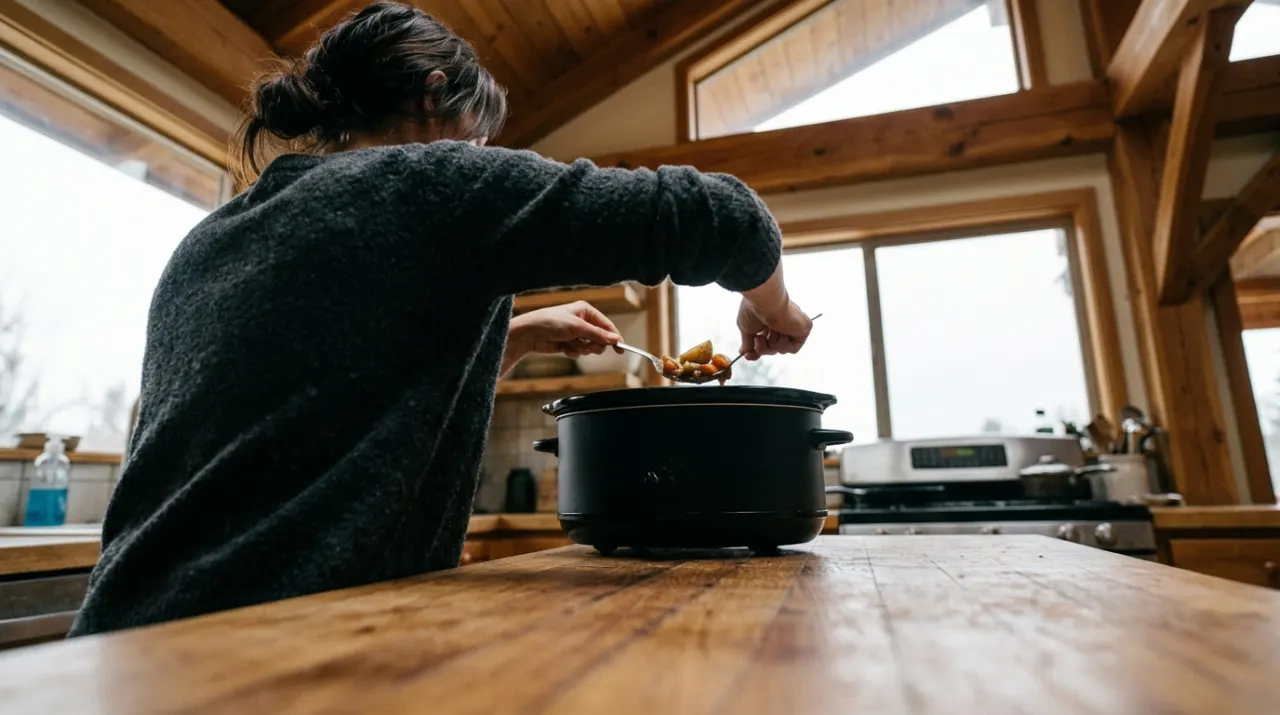
All three USDA-approved methods are refrigerator, cold water and microwave. Counter thawing is not on the list, because the surface of the meat reaches room temperature long before the center thaws.
| Method | Time | Rules |
|---|---|---|
| Refrigerator | ~24 hours per 5 lb | Safest; meat can be refrozen afterward |
| Cold water | ~30 minutes per lb | Sealed bag, change water every 30 min, cook immediately |
| Microwave defrost | Minutes | Cook immediately; edges may begin to cook |
| Countertop | Not recommended | Surface enters the danger zone while the center is frozen |
What temperature does the finished dish need to hit?
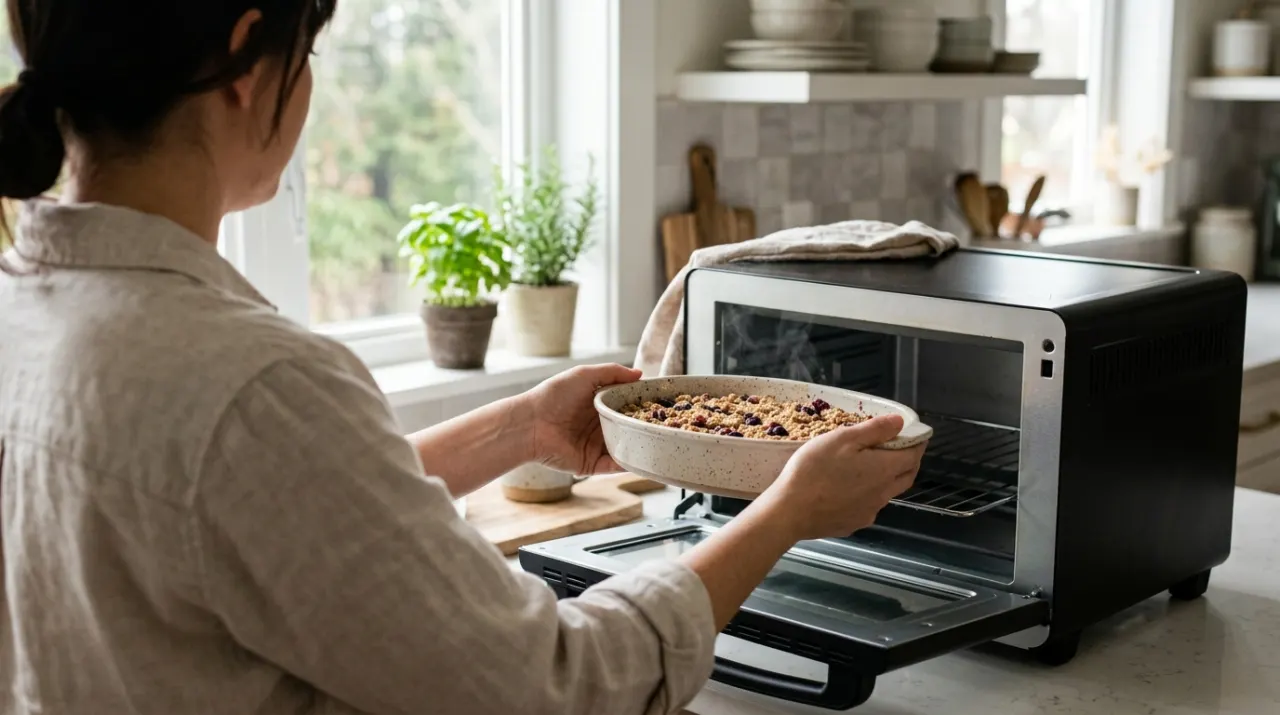
Safe minimum internal temperatures do not change because the appliance is a slow cooker: 165°F for poultry, 160°F for ground meats, and 145°F plus a three-minute rest for whole cuts of beef, pork, veal and lamb. Braising cuts are a separate matter — chuck, brisket, pork shoulder and shanks only turn tender once they hold around 195°F to 205°F long enough for collagen to melt into gelatin, which is the entire point of slow cooking. Use an instant-read thermometer in the thickest part; a timer tells you nothing about what is happening inside a five-pound shoulder.
What should you do if the meat is still frozen at 8am?
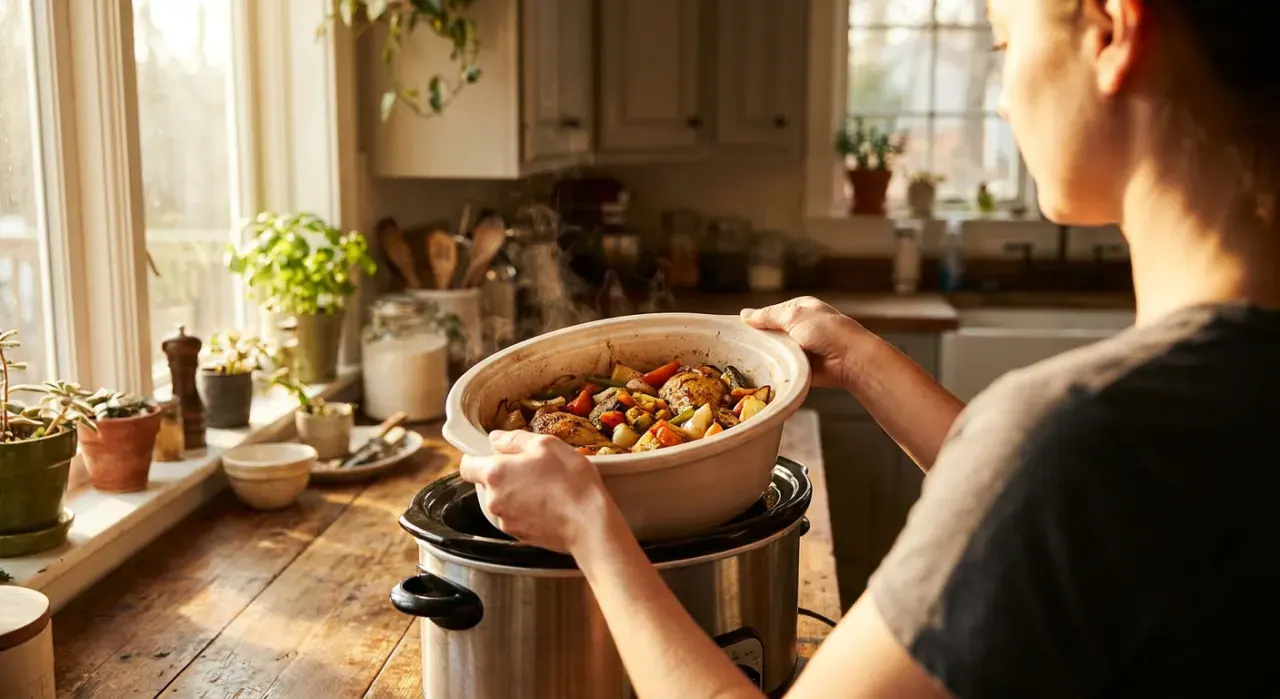
Run a cold-water thaw while you get ready — most weeknight portions are through in under an hour — or switch appliances. Electric pressure cookers are explicitly designed to bring frozen food through the danger zone quickly under pressure, which is why frozen-start instructions appear in their manuals and never in a slow cooker manual. A third option is to brown the meat in a skillet first: it does not fully thaw a large cut, but for cubed stew meat or ground beef it both thaws and starts the cook before anything goes in the crock.
Where to go next
If you slow cook regularly, what temperature a slow cooker reaches on Low explains the numbers behind these rules, and whether you can overcook meat in a slow cooker covers the other end of the problem. For the frozen-start workaround, compare slow cooker vs Instant Pot. Ready to buy? The best slow cookers ranks models on aggregated owner ratings, inside the small kitchen appliances hub.
We never buy or physically handle the products we rank — our picks come from aggregated owner reviews and expert consensus, set out on how we rank. For food safety questions, the USDA Food Safety and Inspection Service is the authority.