 Garden
Affiliate Disclosure
Some links on this page are affiliate links. As an Amazon Associate, we earn from qualifying purchases — at no extra cost to you. We do not buy, test, or physically handle the products we cover; our rankings come from aggregated owner reviews, ratings and expert consensus. Commissions never change our verdicts. How we rank · full disclosure.
A slow cooker gently simmers food over 4 to 10 hours at low, steady heat — set it in the morning and dinner is ready by evening. An Instant Pot is a multicooker whose headline feature is pressure cooking, which can turn the same all-day braise into under 90 minutes, and it also sautes, steams and slow cooks. Choose a slow cooker if you want dead-simple, hands-off, all-day cooking. Choose an Instant Pot if you want speed, versatility and one appliance that replaces several — at the cost of a short learning curve.
What's the difference?
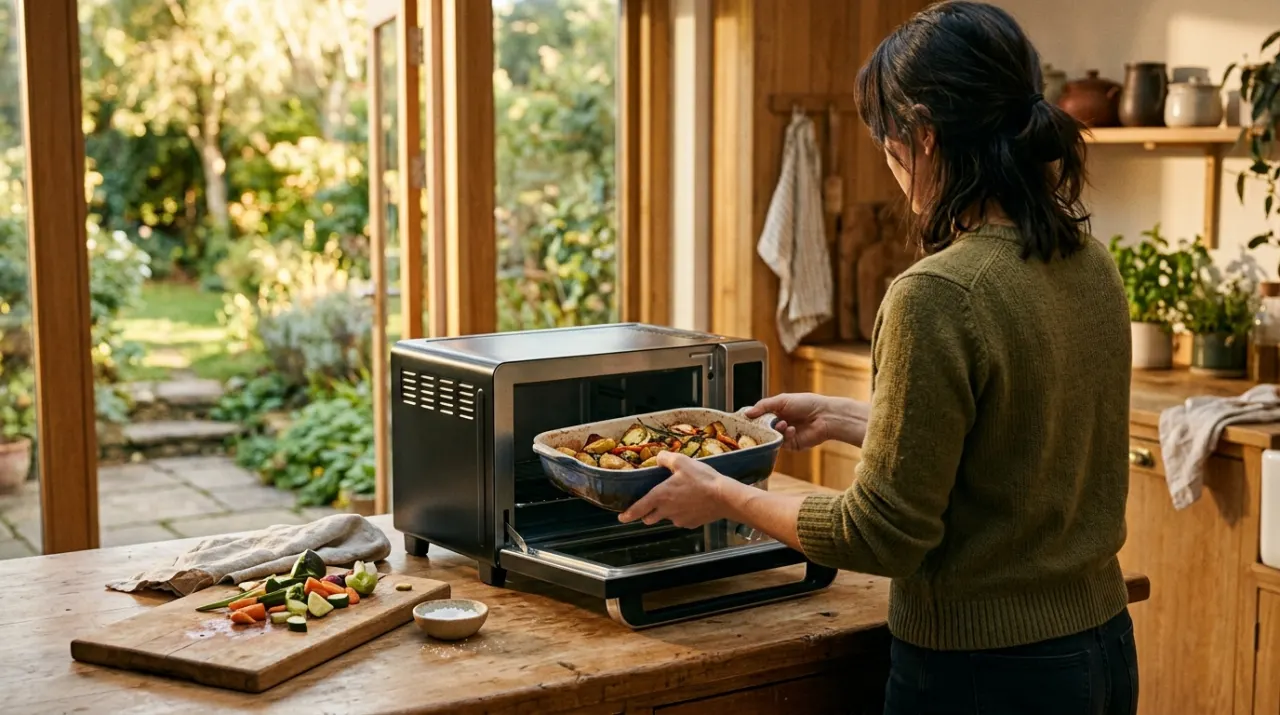
A slow cooker does one job: it holds food at a low simmer for a long time using gentle heat that wraps around a ceramic crock. An Instant Pot is a category of electric multicooker; pressure cooking is its signature mode, sealing the pot and raising internal pressure so food cooks far faster, and most models add saute, steam, rice and slow-cook functions. The trade is simplicity versus capability: the slow cooker is nearly foolproof, while the Instant Pot does more but asks you to understand sealing and pressure release. Both are countertop staples for hands-off meals.
Slow cooker vs Instant Pot at a glance
| Slow cooker | Instant Pot (multicooker) | |
|---|---|---|
| Core method | Low, slow simmer | Pressure cook + slow cook, saute, steam, more |
| Braise time | ~6–10 hrs on Low | ~60–90 min under pressure |
| Dried beans | Several hours (soak recommended) | ~30–45 min, no soak |
| Hands-off, all-day | Excellent | Good in slow-cook mode |
| Versatility | Low (one job) | High (many functions) |
| Learning curve | Minimal | Moderate (sealing, venting) |
| Insert | Usually ceramic | Stainless steel |
| Best for | Set-and-forget stews, roasts, chili | Fast weeknight braises, beans, one-pot meals |
Which is faster?
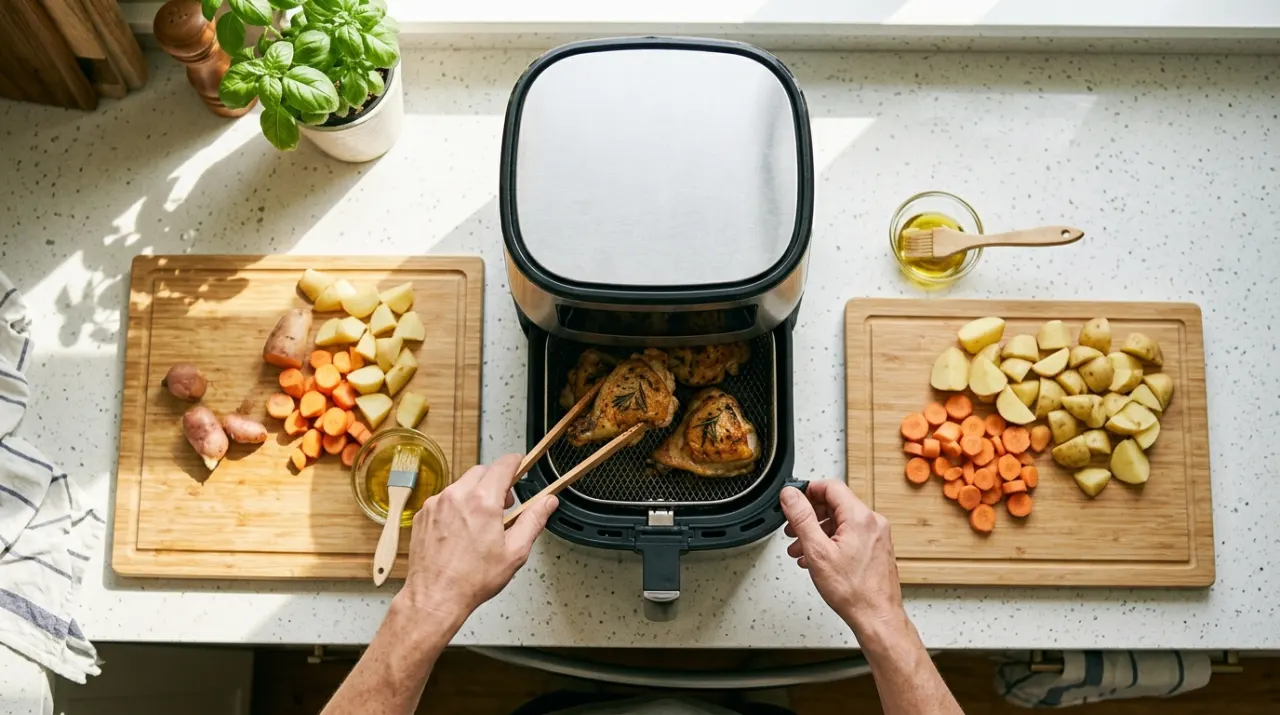
The Instant Pot, and it is not close for tough cuts and legumes. Pressure cooking raises the effective boiling point and drives moisture into food, so a pot roast that needs 8 hours in a slow cooker finishes in roughly an hour to 90 minutes, and unsoaked dried beans cook in well under an hour. That makes the Instant Pot a genuine weeknight tool when you did not plan ahead. The slow cooker trades speed for the ability to leave food unattended all day, which is its whole appeal.
Which is simpler to use?
The slow cooker wins on simplicity. You add ingredients, choose Low or High, put the lid on and walk away — there is essentially nothing to get wrong. The Instant Pot asks you to seat the sealing ring, close the valve, and choose between natural and quick pressure release, which trips up new users at first. Owners consistently report that the learning curve fades within a few meals, but if you want the most forgiving appliance in the kitchen, the slow cooker is it.
Which should you buy?
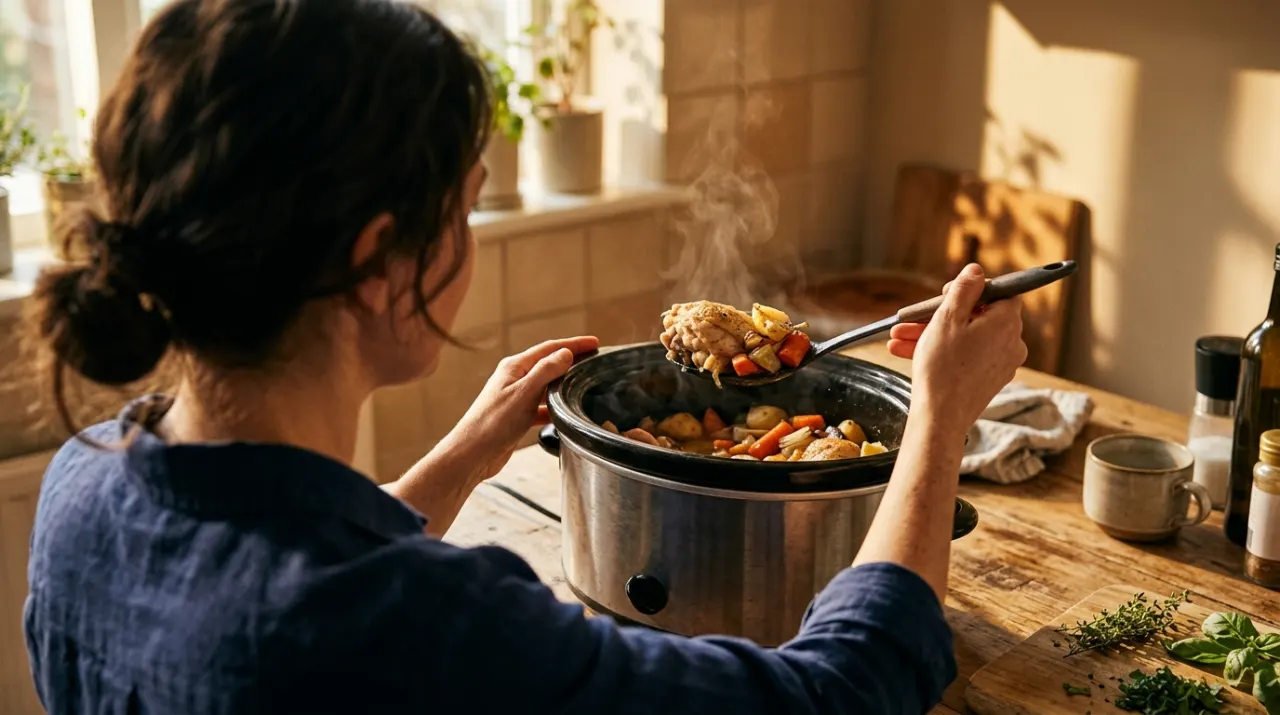
Buy a slow cooker if you value simplicity and the all-day, set-and-forget rhythm — mornings prepped, evenings done. Buy an Instant Pot if you want speed, one appliance that replaces several, and the ability to go from frozen-ish to dinner on a weeknight. Households that meal-plan and love stews lean slow cooker; busy cooks who improvise lean Instant Pot. Our recommendations draw on aggregated owner reviews and expert consensus rather than first-hand testing — see how we rank.
Where to go next
Compare specific models in our best slow cookers roundup. Related questions: how long an Instant Pot takes to come to pressure and is it safe to leave a slow cooker on overnight. More comparisons: programmable vs manual slow cooker and blender vs food processor. All under the small kitchen appliances hub.