 Garden

Affiliate Disclosure
Some links on this page are affiliate links. As an Amazon Associate, we earn from qualifying purchases — at no extra cost to you. We do not buy, test, or physically handle the products we cover; our rankings come from aggregated owner reviews, ratings and expert consensus. Commissions never change our verdicts. How we rank · full disclosure.
A convection toaster oven adds a fan that circulates hot air around the food, browning it faster and more evenly and making it better for roasting, baking and crisping. A regular toaster oven relies on still radiant heat from the elements — simpler and cheaper, and fine for toast and reheating. Choose convection if you roast vegetables, bake, or crisp food in your toaster oven. Choose a regular model if you mostly toast and reheat and want to spend the least.
What's the difference?
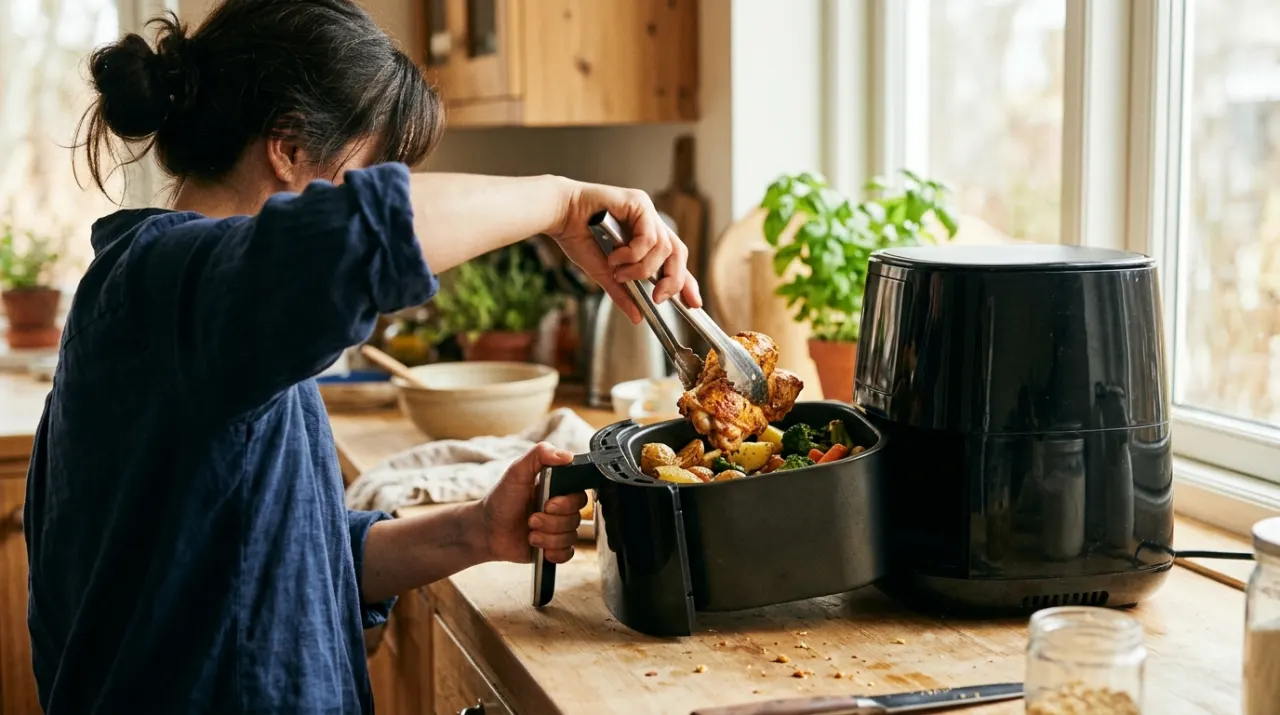
Both cook with heating elements above and below the food; the difference is air movement. A regular toaster oven heats by radiation and natural convection alone, so the air sits still and hot spots develop — the side nearest an element browns first. A convection model adds a fan (and often a third element) to push that hot air around the chamber, wrapping food evenly in heat. That circulation browns faster, cooks more uniformly, and crisps better, which is why convection is the more capable choice once you cook meals rather than just make toast.
Convection vs regular toaster oven at a glance
| Convection | Regular | |
|---|---|---|
| Heat method | Elements + circulating fan | Still radiant heat |
| Browning evenness | Very even | Can be uneven / hot spots |
| Cook speed | Faster | Standard |
| Roasting / crisping | Excellent | Good |
| Delicate baking | Good (often turn fan off) | Good |
| Temperature rule | Lower by ~25°F or shorten time | Follow recipe as written |
| Price | $$ | $ |
| Best for | Roasting, baking, crisping, real meals | Toast, reheating, tight budgets |
Which is better for roasting and crisping?
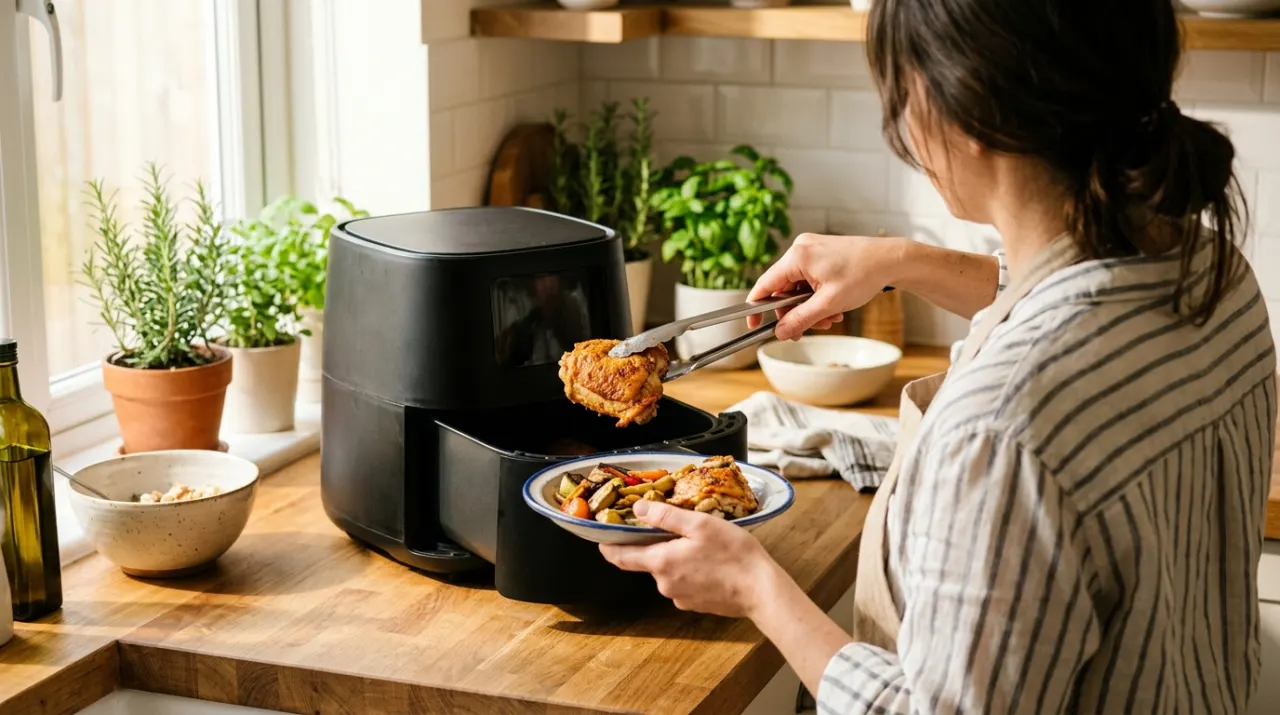
Convection, decisively. The circulating air strips away the cooler layer that clings to food in a still oven, so vegetables roast with browned edges, chicken skin crisps, and everything colors evenly without you rotating the tray. Owners who cook actual meals in a toaster oven consistently rate the fan as the feature that makes the appliance genuinely useful rather than a large toaster. Just remember the trade: because it cooks faster, you typically drop the temperature about 25 degrees Fahrenheit or shorten the time and check early until you learn how yours behaves.
Which is better for simple toasting on a budget?
The regular toaster oven. If your use is bread, bagels, reheating leftovers and the occasional frozen snack, still radiant heat handles all of it, and you save money buying a model without the fan. The convection features go unused if you never roast or bake, so paying for them adds cost without benefit. For a small kitchen, a dorm, or anyone who treats the toaster oven as a toaster-plus, the regular model is the sensible, economical pick.
Which should you buy?
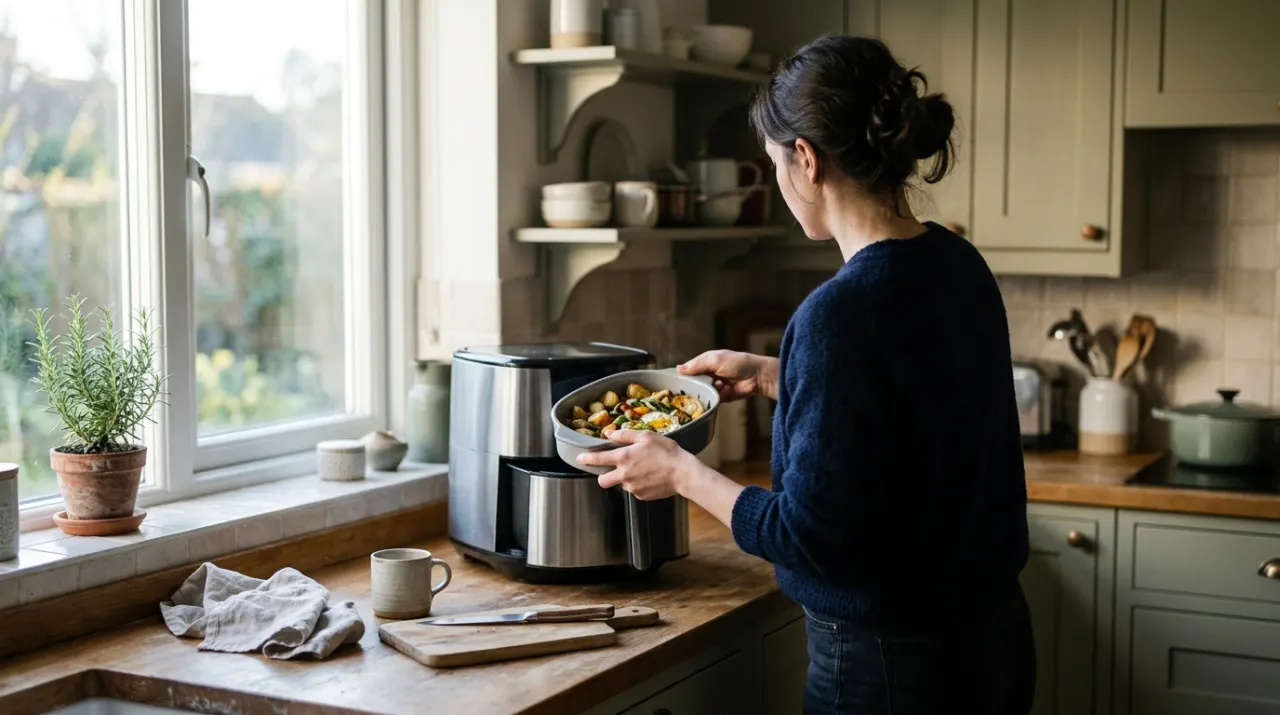
Buy a convection toaster oven if you roast vegetables, bake, or crisp foods and want faster, more even results — and most convection models let you switch the fan off to behave like a regular oven for delicate bakes, so you lose nothing. Buy a regular toaster oven if you mostly toast and reheat and want the lowest price. For most cooks who use the oven for real food, convection is the more versatile buy. Our picks come from aggregated owner reviews and expert consensus rather than first-hand testing — see how we rank.
Where to go next
Compare specific models in our best toaster ovens roundup, and see how to clean a toaster oven. More comparisons: toaster oven vs air fryer and basket vs oven air fryer. All under the small kitchen appliances hub.