 Garden


Affiliate Disclosure
Some links on this page are affiliate links. As an Amazon Associate, we earn from qualifying purchases — at no extra cost to you. We do not buy, test, or physically handle the products we cover; our rankings come from aggregated owner reviews, ratings and expert consensus. Commissions never change our verdicts. How we rank · full disclosure.
The verdict: the Cuisinart 5.5-quart mixer is the sensible buy for a home baker who wants planetary mixing, a big stainless bowl and twelve speeds without spending KitchenAid Artisan money. It earns 4.7 stars because it does the everyday jobs — creaming, whipping, cookie dough, cake batter — as well as machines costing considerably more. Skip it if bread is your main reason for buying, if you want the KitchenAid attachment ecosystem, or if you expect a twenty-year appliance.
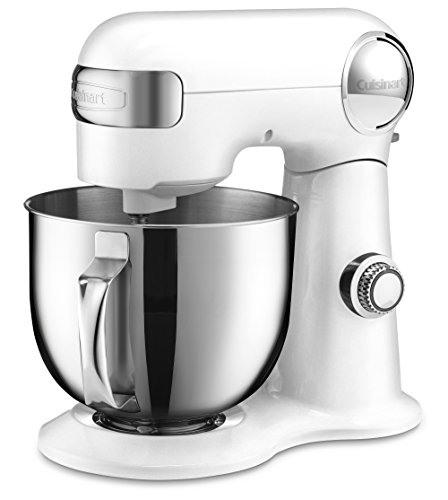
Best for home bakers who want a real stand mixer without paying KitchenAid Artisan money
- 5.5-quart stainless steel bowl with handle
- 12 mixing speeds, tilt-head design
- Chef whisk, flat mixing paddle and dough hook included
- Splash guard with pour spout and a 3-year limited warranty
Why buy it: a bigger bowl and more speeds than the mixer everyone compares it to, usually for less money.
What owners consistently praise
The bowl and the speed range punch above the price. Five and a half quarts of stainless with a proper handle is half a quart more than the mixer most buyers cross-shop it against, and twelve speeds give genuinely fine control at the low end — the difference between folding flour in and throwing it across the kitchen. Owners moving up from a hand mixer describe the low-speed start as the feature they did not know they wanted.
It is quieter and smoother than expected. A recurring note in the reviews is that the machine sounds less strained than its price suggests during normal work: creaming butter and sugar, whipping cream, mixing cake batter and beating meringue all happen without the whining that budget mixers produce. The splash guard with a pour spout also comes in the box rather than as an upsell, and owners use it far more than they expected to when adding flour or streaming in oil.
The full accessory set is included. Chef whisk, flat mixing paddle and dough hook all ship with the mixer, which is not universally true in this category. Combined with the price, that is the practical reason this machine keeps landing on shortlists: the total cost of getting to a working, fully equipped mixer is lower than the alternatives.
Owners also consistently mention the tilt-head being easy to raise one-handed, and the bowl locking and releasing without a fight — both small, both the kind of thing that decides whether an appliance stays on the counter.

What owners actually complain about
Bread dough is where it strains. A single loaf is fine. Double batches, stiff pizza or bagel dough, and long knead cycles produce the same cluster of reports: the head rocks, the motor gets hot, and the whole machine travels across the counter. Some owners keep a hand on it. This is a design consequence rather than a defect — a tilt-head mixer with a mid-weight motor is simply not a bread machine — but it is the single most important thing to know before buying. If you bake bread weekly, read tilt-head vs bowl-lift stand mixer before you order.
Bottom-of-bowl clearance is inconsistent. A meaningful share of owners report that the paddle leaves a ring of unmixed butter or flour at the very bottom of the bowl, requiring a scrape-down mid-mix. There is a height-adjustment screw at the hinge and adjusting it — paddle clearing the bowl by roughly the thickness of a dime — fixes it on most units. That it needs adjusting out of the box on some machines is a fair criticism, and plenty of owners never realize the adjustment exists.
No KitchenAid attachment compatibility. The power hub does not accept KitchenAid accessories. For anyone who has bought, or intends to buy, a pasta roller, grain mill, meat grinder or ice cream bowl, this is decisive on its own — that ecosystem is a genuine part of what the higher price elsewhere buys.
Lifespan is good, not legendary. Five to ten years of home use is the realistic expectation from the record, against the twenty-plus years routinely reported for metal-geared competitors. Failures cluster in the motor and gear train, and they cluster in kitchens where the machine kneads stiff dough regularly. Two smaller gripes: it is heavy enough at around 20 pounds that most owners leave it out permanently, and the white and pastel finishes show scuffs.
Who should buy something else
If you bake bread seriously, buy a bowl-lift mixer with a heavier motor instead. The bowl-lift geometry keeps the head from rocking under load and the motors in that class are built for sustained kneading. If you want the attachment ecosystem — pasta, grinding, spiralizing, ice cream — buy a KitchenAid, because the accessory range is the actual product and it is not transferable. Our best stand mixer roundup ranks the full field on the same owner-review basis.
If you bake a few times a year, do not buy a stand mixer at all. A $40 hand mixer creams butter, whips cream and mixes cake batter to a result indistinguishable in the finished bake, and it lives in a drawer. We make that case properly in are stand mixers worth it and stand mixer vs hand mixer.

Specifications
| Bowl | 5.5 quarts, stainless steel with handle |
| Speeds | 12 |
| Design | Tilt-head, planetary mixing action |
| Included | Chef whisk, flat paddle, dough hook, splash guard with pour spout |
| Attachment hub | Cuisinart only — not KitchenAid compatible |
| Weight | Approx. 20 lbs |
| Warranty | 3-year limited |
| Owner rating | 4.7 stars (verified, see card above) |
How we reached this verdict
We do not bake with these machines. This review is built from the aggregated owner-review record, weighted toward reviews written a year or more after purchase, where motor strain under dough, gear wear and bowl-clearance frustrations actually surface. The star rating and review count on the card above are pulled from licensed Amazon listing data and refresh automatically, so nothing here is a hand-typed statistic. Full method: how we rank.
Check price on Amazon → (paid link)
More from this hub: small kitchen appliances · best stand mixer · how long should a stand mixer last · how we rank.