 Garden

Affiliate Disclosure
Some links on this page are affiliate links. As an Amazon Associate, we earn from qualifying purchases — at no extra cost to you. We do not buy, test, or physically handle the products we cover; our rankings come from aggregated owner reviews, ratings and expert consensus. Commissions never change our verdicts. How we rank · full disclosure.
As of 2026, installed retaining walls run about $20 to $60 per linear foot for a low block wall and $150 to $400-plus per foot for tall, engineered ones in typical US markets. Height is the biggest driver — a 2-foot wall is a landscaping job; a 6-foot wall is a structural one needing engineering, reinforcement and permits. Material matters too: timber and segmental block are cheapest, poured concrete and natural stone the most. These are national ballparks; regional labor, soil, drainage needs and site access swing the real number, so get local quotes and check your building department for code.
How does height change the price?
Cost rises faster than height because tall walls need engineering, geogrid soil reinforcement and deeper footings that short walls do not. These are installed 2026 US ranges across materials.
| Wall height | Installed cost per linear foot (2026) | What changes |
|---|---|---|
| ~2 ft | $15–$40 | Landscaping wall; usually no permit |
| 3–4 ft | $30–$90 | Permit and engineering often start here |
| 4–6 ft | $60–$150 | Reinforcement, deeper base, drainage critical |
| 6–8 ft | $120–$250 | Engineered design required almost everywhere |
| Over 8 ft | $200–$400+ | Structural engineering, often tiered walls |
The jump at the 3-to-4-foot mark is often a code step, not just more material — see the permit section below.
How much does the material matter?
Material sets the base price and the lifespan. These are installed 2026 US ranges for a typical low-to-medium wall.
| Material | Installed cost per linear foot (2026) | Typical lifespan |
|---|---|---|
| Pressure-treated timber | $15–$60 | 15–20 years |
| Segmental concrete block | $25–$120 | 40–100 years |
| Poured concrete | $60–$180 | 50–100 years |
| Natural stone (masonry) | $80–$250+ | 100+ years |
| Gabion (wire baskets) | $25–$80 | 50+ years |
Segmental block is the value pick for most homeowners: modest cost, long life, and DIY-friendly on short walls. Timber wins only on first cost.
Why is so much of the cost hidden?
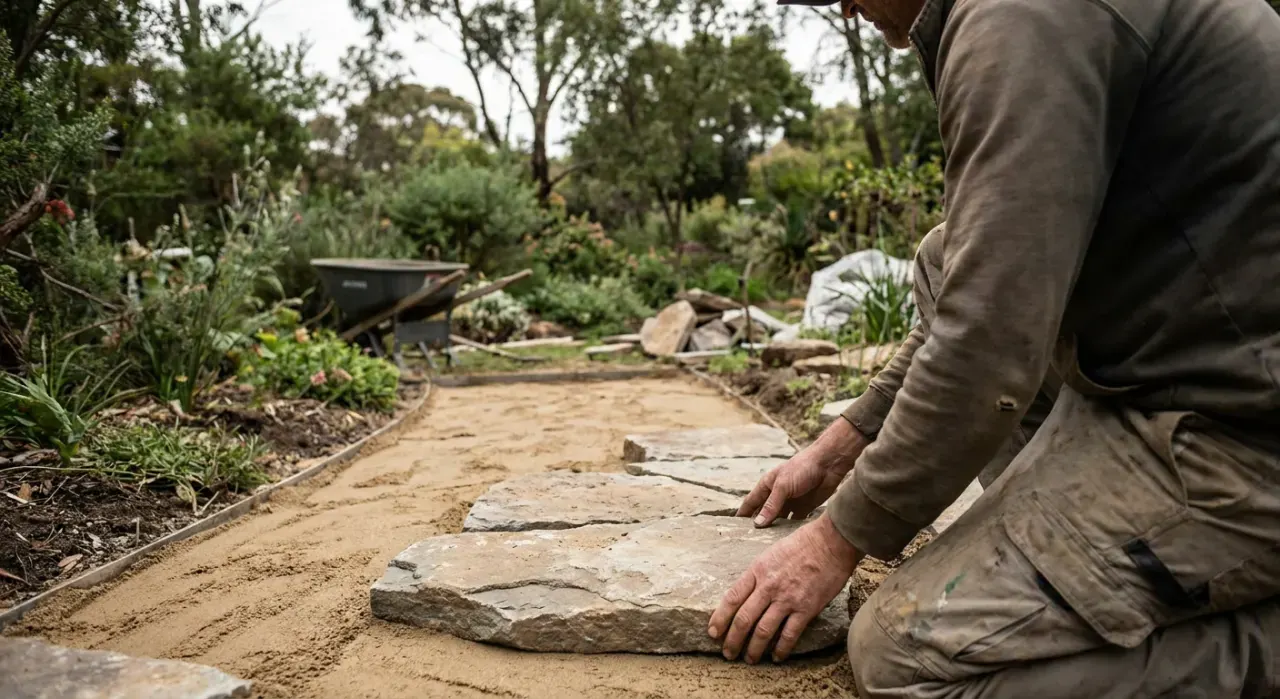
The visible wall is a fraction of the bill. Underneath and behind it are a leveling course of compacted gravel, a perforated drain pipe carrying water away from the base, free-draining backfill stone, and compaction in 6-to-8-inch lifts. Taller walls add geogrid — layers of reinforcement fabric buried in the backfill that tie the soil mass to the wall. Skipping any of this is the classic way to build a wall cheaply and watch it bulge and fail within a few years, because trapped water behind a wall generates enormous hydrostatic pressure. When a quote looks unusually low, it is usually the drainage and base that have been left out. Before any of it is dug, the 811 before-you-dig service asks you to call a few business days ahead of any digging project, including fence posts and planting trees.
When do you need a permit and an engineer?
This is the part that varies most and matters most. A widespread rule of thumb is that walls over 3 or 4 feet of exposed height require a building permit and an engineer's stamped design, and walls that carry a surcharge (a driveway, a slope or a structure above), or that sit near a property line, can trigger review at any height. But the exact trigger is set locally — your city or county building department publishes it, and it is the authority, not this page. Building an unpermitted wall that later fails or crosses a setback can mean tearing it out, so confirm the rules before you dig.
The bottom line
Budget $20 to $60 per foot for a short block wall and far more as height climbs; treat any wall over 3 to 4 feet as engineered work with a permit. If a wall is one piece of a larger project, our landscaping cost guide puts it in context, and drainage behind the wall connects directly to how deep a French drain should be. For planning the grade change itself, see how to plan a yard layout, and for what you can plant on the terraces it creates, the USDA Plant Hardiness Zone Map, which sorts the country by average annual extreme minimum winter temperature and was last updated in 2023.
We never buy, test or physically handle the products we rank. Recommendations come from aggregated owner reviews, star ratings, review volume and expert consensus — see how we rank.
More from this hub: Landscaping & Hardscaping · Landscaping cost guide · French drain depth · Best landscape edging · How we rank