 Garden
Affiliate Disclosure
Some links on this page are affiliate links. As an Amazon Associate, we earn from qualifying purchases — at no extra cost to you. We do not buy, test, or physically handle the products we cover; our rankings come from aggregated owner reviews, ratings and expert consensus. Commissions never change our verdicts. How we rank · full disclosure.
A gas mower gives unlimited runtime and strong torque for large lawns, tall grass and heavy-duty use, but needs fuel, oil and regular maintenance and is loud and smelly. A battery-electric mower is quieter, cleaner, nearly maintenance-free and starts with a button, and now cuts most suburban yards on a single charge. For the average homeowner with under a half acre, an electric mower is the better everyday choice. Choose gas for very large properties, thick or wet grass, or all-day work where runtime and torque are non-negotiable.
What is the real difference?
The difference is the power source and everything that flows from it. A gas mower burns fuel in a small engine that runs as long as you keep the tank full and delivers relentless torque, at the cost of noise, exhaust, pull-starts and ongoing maintenance. An electric mower runs off a lithium battery, so it is quiet — well under the roughly 85 dB level at which OSHA says hearing damage can occur — emission-free at the point of use, and needs no oil, spark plugs or fuel — but its runtime is limited by the battery and its power can fade in very heavy grass. You are trading unlimited runtime and grunt for cleanliness, quiet and convenience.
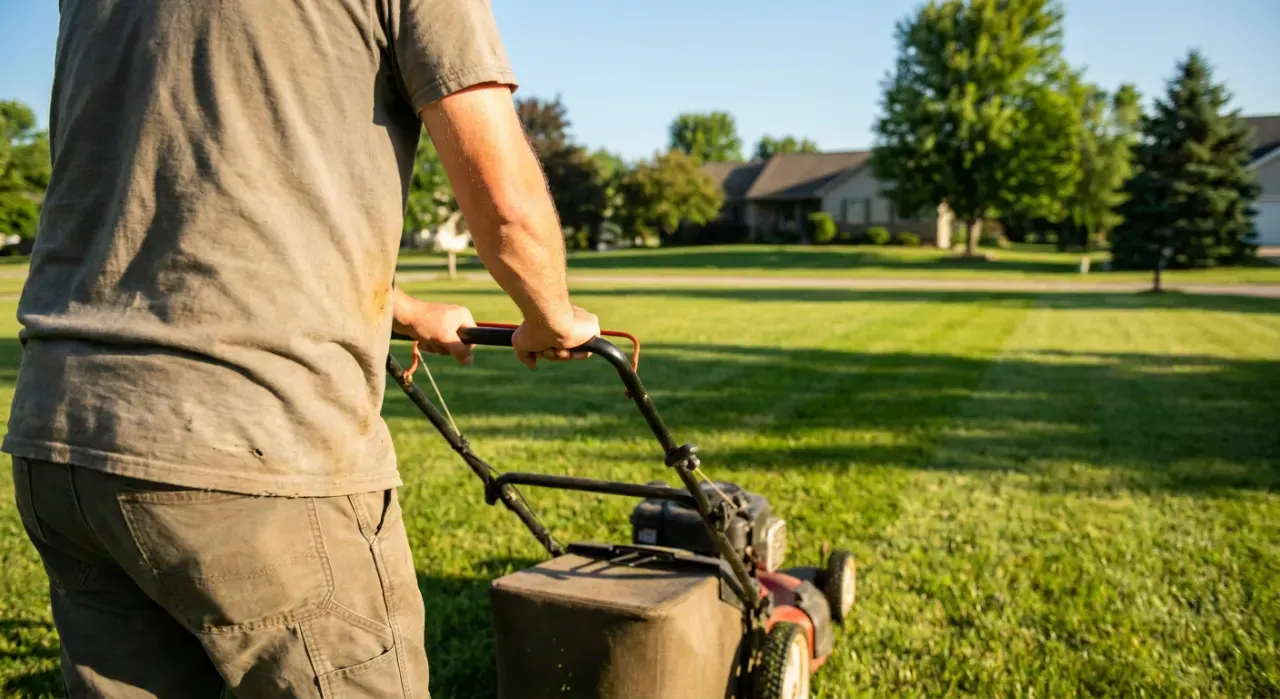
Gas vs electric mower at a glance
| Gas | Electric (battery) | |
|---|---|---|
| Runtime | Unlimited (refuel) | ~30–60 min per battery |
| Power in thick grass | Excellent | Good; can bog when very heavy |
| Maintenance | Oil, plugs, filter, tune-ups | Almost none |
| Noise & emissions | Loud, exhaust fumes | Quiet, zero direct emissions |
| Starting | Pull cord or key | Push button |
| Best for | Large, thick or wet lawns | Most suburban yards |
Does electric have enough power?
For regularly mowed lawns, yes. Brushless motors and higher-voltage batteries gave modern electric mowers the torque to cut normal and moderately tall grass cleanly, and owners consistently report they are more than adequate for typical suburban conditions. The limits show in very tall, thick or wet grass, which drains the battery faster and can bog the motor where a gas engine simply grinds on. If you keep your grass cut on schedule — Penn State Extension recommends mowing regularly whenever grass is actively growing — electric power will not hold you back.
Which costs less to own?
Electric, over the machine's life for most homeowners. Recharging costs a fraction of buying gasoline, and you skip oil changes, spark plugs, air filters and seasonal tune-ups entirely. The offset is eventually replacing the battery after several seasons as it loses capacity. Gas mowers can be cheaper to buy but add steady fuel and upkeep costs. Add in the convenience of no fuel storage and button starting, and electric wins on total cost and hassle for the average yard.

Which should you buy?
Buy electric if you have a typical suburban lawn, want quiet, clean, low-maintenance mowing, and mow on a regular schedule — it is the better everyday choice for most homeowners now. Buy gas if your property is large, your grass grows tall, thick or wet, or you need to mow for hours without stopping, where unlimited runtime and torque still matter. If you go electric, a second battery removes the runtime worry for a mid-size lawn.
Where to go next
Ready to shop? Our picks for the best lawn mowers rank current gas and electric models on the ratings and complaints owners report. For a closer battery-versus-gas breakdown see gas vs battery mower, and to decide on drive style, push vs self-propelled mower. Everything sits under the lawn care and mowers hub.
We never buy or physically test the mowers we rank — our recommendations come from aggregated owner reviews and expert consensus, and the method is on how we rank.