 Garden
Affiliate Disclosure
Some links on this page are affiliate links. As an Amazon Associate, we earn from qualifying purchases — at no extra cost to you. We do not buy, test, or physically handle the products we cover; our rankings come from aggregated owner reviews, ratings and expert consensus. Commissions never change our verdicts. How we rank · full disclosure.
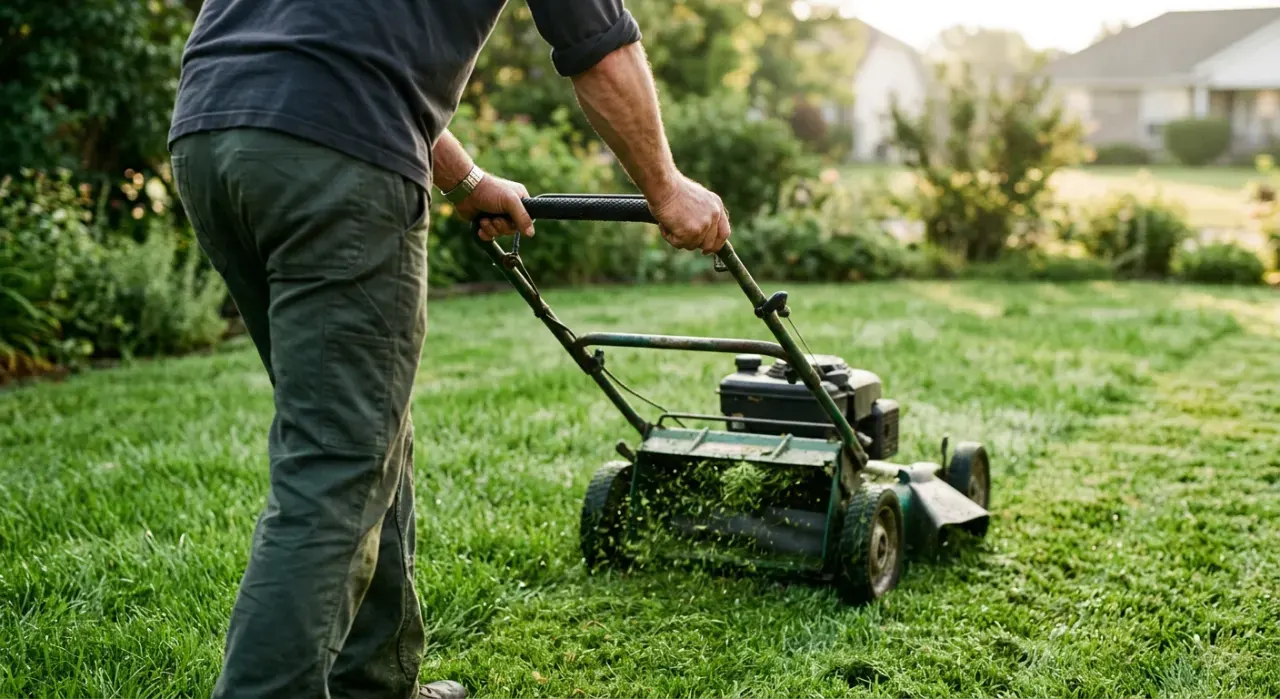
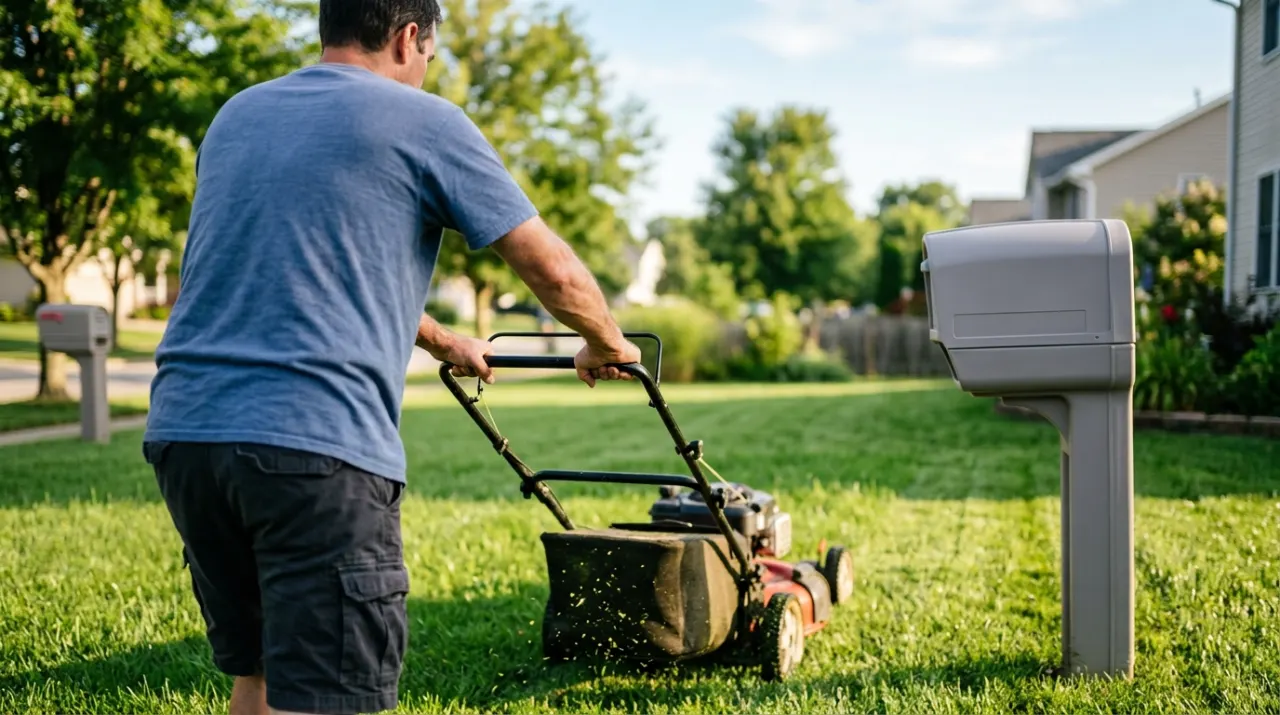
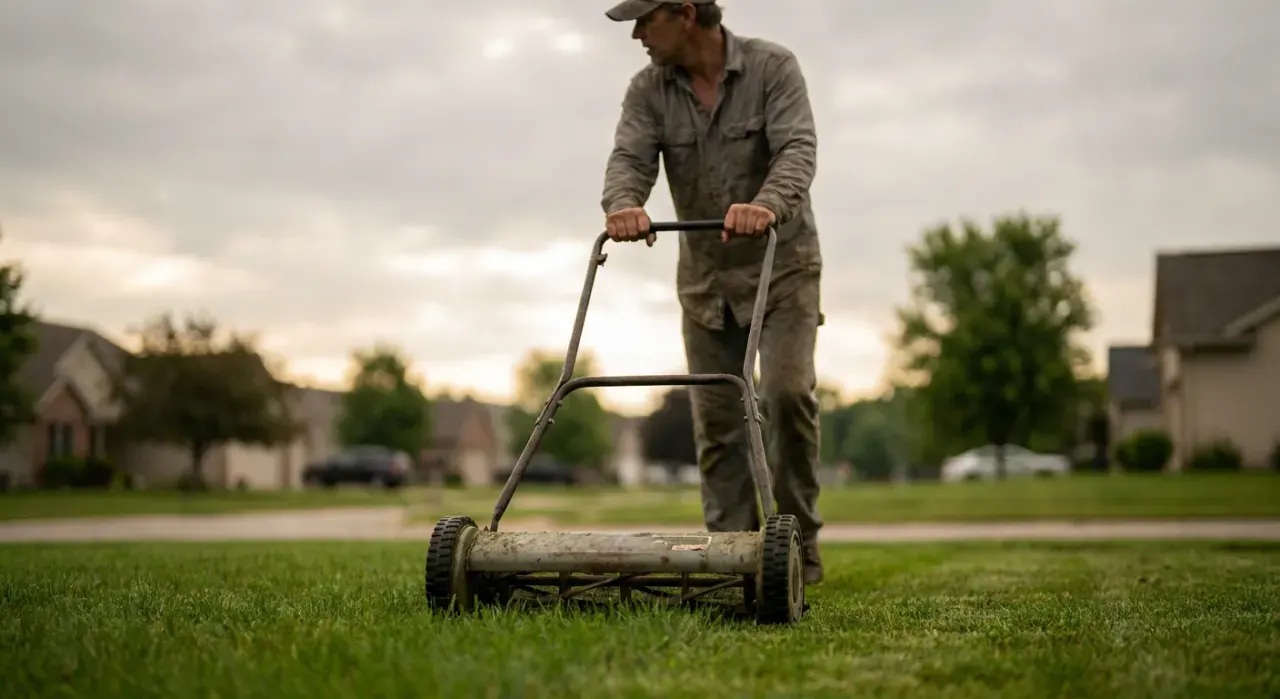
A push mower has no drive system, so you supply all the forward motion — perfect for small, flat yards where a light, simple, affordable machine is easiest to handle. A self-propelled mower powers its own wheels, so it pulls itself along and takes the effort out of mowing larger lawns, slopes and thick grass. Choose a push mower for a compact level yard under about a quarter acre; choose self-propelled for bigger yards, hills, or if pushing a mower is hard on you. The right pick is mostly about your yard size and terrain.
What is the real difference?
The difference is who moves the mower. A push mower's wheels only turn when you push, making it lighter, cheaper and mechanically simpler with fewer parts to fail. A self-propelled mower adds a transmission and drive belt that power the wheels, so the machine advances on its own and you mostly steer and set the pace. That drive system costs more, adds weight and introduces parts that can need service, but it removes the physical work of mowing — the whole reason the category exists.
Push vs self-propelled at a glance
| Push | Self-propelled | |
|---|---|---|
| Effort to mow | You push the whole time | Mower drives itself |
| Best yard size | Up to ~1/4 acre, flat | 1/4 acre and up, or hilly |
| Weight | Lighter, easy to maneuver | Heavier |
| Slopes | Tiring | Handles hills far better |
| Maintenance | Simplest — no drive parts | Adds drive belt and controls |
| Typical price | ~$180–350 | ~$300–600 |

Which suits your yard?
Match the mower to the ground. For a small, flat lawn a push mower is ideal — light to maneuver around beds and obstacles, cheap to buy, and simple to store and service. Once a yard grows past roughly a quarter acre, or has slopes, long runs, or grass that grows thick and heavy, pushing a mower becomes real work and a self-propelled model saves your back and shoulders. Terrain matters as much as size: even a mid-size hilly yard benefits from powered wheels.
Which is easier on your body?
Self-propelled, by a wide margin, on anything but a small flat lot. Because the mower drives itself, you walk behind and steer instead of shoving a 60 to 90 pound machine uphill through thick grass. For older gardeners, anyone with joint or back issues, or large lawns, that reduced effort is the deciding factor. On a tiny level yard, though, a light push mower is actually easier to whip around obstacles than a heavier powered one.
Which should you buy?
Buy a push mower if your yard is small and flat and you want the cheapest, simplest, lightest option. Buy self-propelled if your lawn is larger, sloped, or grows thick, or if mowing tires you out — the powered wheels are worth the extra cost and maintenance. If you go self-propelled, favor a variable-speed model, and pick rear-wheel or all-wheel drive for hills and front-wheel drive for flat, obstacle-heavy yards.
Where to go next
Ready to shop? Our picks for the best lawn mowers rank current push and self-propelled models on the ratings and complaints owners report, and the best self-propelled mowers and best self-propelled mower for hills go deeper on powered models. Weighing the fuel source too? See gas vs electric lawn mower. Everything sits under the lawn care and mowers hub.
We never buy or physically test the mowers we rank — our recommendations come from aggregated owner reviews and expert consensus, and the method is on how we rank.