 Garden


Affiliate Disclosure
Some links on this page are affiliate links. As an Amazon Associate, we earn from qualifying purchases — at no extra cost to you. We do not buy, test, or physically handle the products we cover; our rankings come from aggregated owner reviews, ratings and expert consensus. Commissions never change our verdicts. How we rank · full disclosure.
A gas grill lasts about 5 to 10 years, with roughly 7 years being typical for a mid-priced model. Build and care swing that hard: a heavy stainless grill that is kept covered and cleaned can reach 12 to 15 years, while a thin painted-steel grill left out in rain and snow often fails within 3 to 5. What kills a grill is usually not the burners, which are replaceable, but rust eating through the firebox — the one part you cannot swap. Material quality and a cover matter more than the badge on the lid.
Which materials last longest?
Lifespan tracks the metal in the cookbox and burners more than anything else. Thin aluminized or painted steel is what you find on budget grills, and it corrodes fastest. Cast aluminum and heavy 304-series stainless resist rust far longer, which is why premium grills carry longer firebox warranties. Use the warranty as an honest signal: a maker that warrants a cookbox for 10 to 15 years is telling you what it expects.
| Grill type / material | Typical lifespan | Common failure point |
|---|---|---|
| Budget painted / aluminized steel | 3–5 years | Firebox and burner rust-through |
| Mid-range stainless / porcelain-coated | 5–10 years | Burners, grates, igniter |
| Premium 304 stainless / cast aluminum | 10–15+ years | Burners (replaceable), hardware |
| Cast-aluminum cookbox (e.g. Weber Genesis class) | 10–20 years | Rarely the box; usually burners |
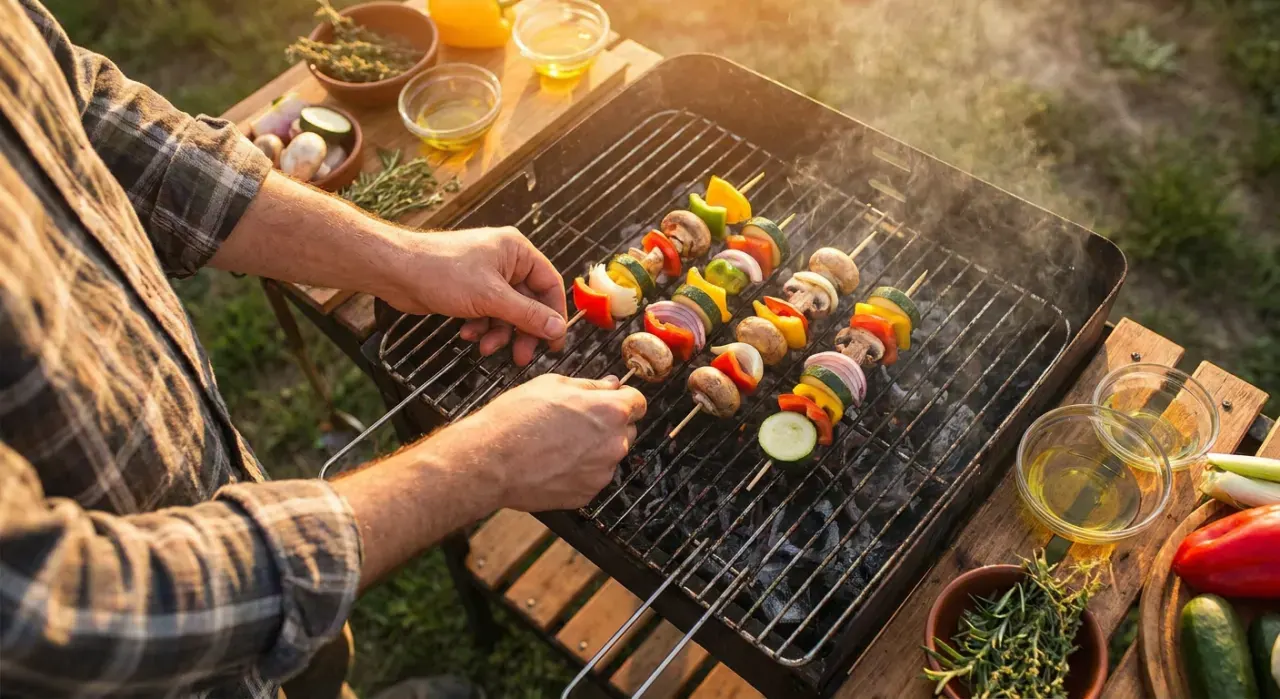
Which parts fail first, and can you replace them?
Almost everything on a gas grill except the cookbox is a wear part with a replacement available. Burners rust at the gas ports and start throwing uneven flames, usually at 5 to 8 years on good metal and as little as 2 to 3 on cheap. Igniters are the most common nuisance failure and cost only a few dollars. Cooking grates, flavorizer bars or heat tents, and the igniter battery are all routine swaps. Knowing this changes the math: a grill with a rusted firebox is finished, but a grill with dead burners and a solid body is a 90-dollar afternoon.
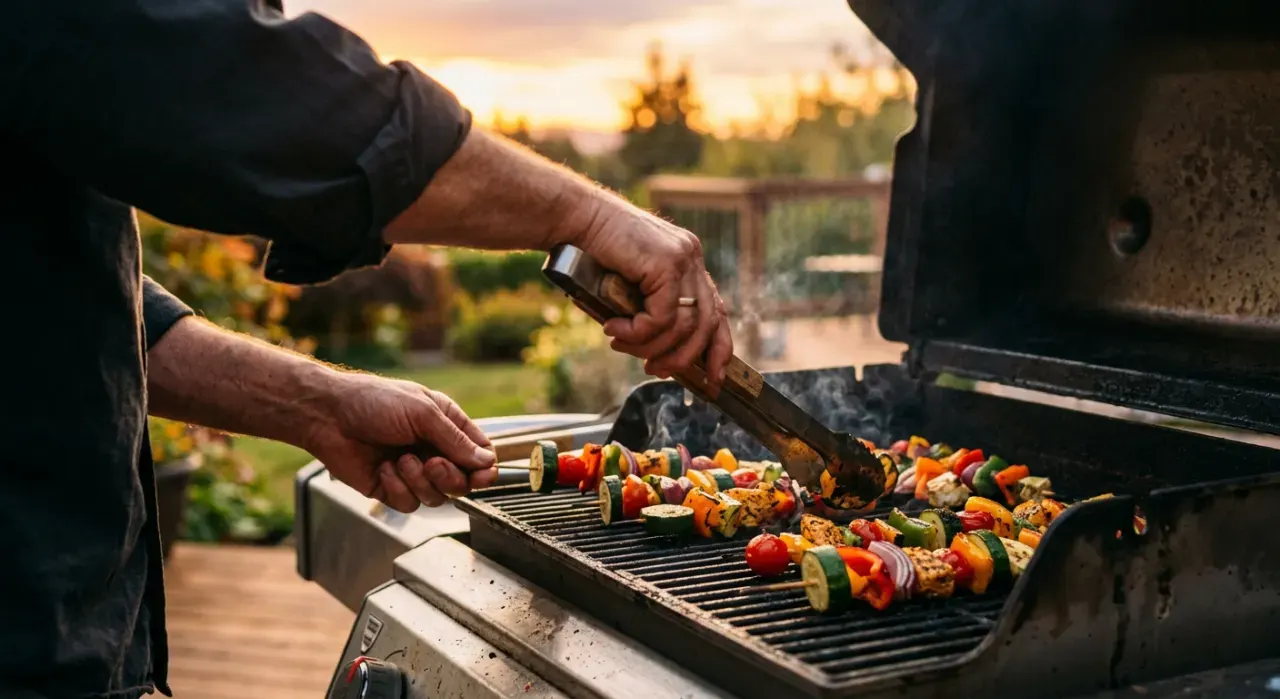
How do you make a gas grill last twice as long?
The failure mode is corrosion, so every good habit is really about keeping the metal dry and clean. These are the moves owners credit most for grills that outlive their neighbors' by years.
- Use a vented cover on a cool, dry grill. This is the highest-return step. Never cover a warm grill or one that is wet underneath — trapped moisture rusts faster than open air.
- Burn it off, then brush, after each cook. Grease is fuel for both flare-ups and corrosion. A clean grease tray also prevents the fires that end grills early.
- Deep-clean the burners and firebox a couple of times a year. Clear the burner ports with a wire and vacuum rust flakes out of the box before they hold moisture.
- Store the tank and grill out of standing water. A grill sitting in a puddle rusts from the feet up.
- Replace parts early. A worn burner run hard warps the metal around it; swapping it promptly protects the box.
If you are shopping for a grill built to go the distance, our best gas grill picks weigh cookbox material and warranty first, because those are what decide year 8. And if you want off-season protection, keeping the tank right matters too — see whether you can leave a propane tank outside in winter.

When should you repair versus replace?
Repair when the body is sound. Replace when it is not. The cookbox is the deciding part: if you can flex it, see light through it, or rust is flaking onto food, the grill is at end of life. A cracked cart, failed lid hinges, or a manifold that still leaks after new fittings point the same way. A practical threshold is to repair if the fix is under about a third of a comparable new grill and the firebox is solid; otherwise put the money toward a replacement that will not need it again next season.
We do not buy, test or physically handle any product on this site. Guidance here reflects manufacturer lifespan warranties and aggregated owner-reported service life — see how we rank.
More from this hub: Outdoor Living & Grills · How far a grill should be from the house · Converting propane to natural gas · Best gas grills · How we rank