 Garden
Affiliate Disclosure
Some links on this page are affiliate links. As an Amazon Associate, we earn from qualifying purchases — at no extra cost to you. We do not buy, test, or physically handle the products we cover; our rankings come from aggregated owner reviews, ratings and expert consensus. Commissions never change our verdicts. How we rank · full disclosure.
The short answer: choose lump charcoal for hot, fast cooking — steaks, burgers, high-heat searing — because it lights quickly, burns hotter and reacts fast to the vents. Choose briquettes for long, steady cooks like ribs, pork shoulder and brisket, where their uniform size and slow, even burn hold a target temperature for hours. Lump is cleaner and leaves less ash; briquettes are cheaper, more consistent and easier to control. Plenty of experienced grillers keep both and blend them for the best of each.
We never buy or physically handle the fuels discussed here; product rankings elsewhere on the site come from aggregated owner reviews and expert consensus, explained in how we rank. For the wider category, start at the outdoor living and grills hub.
What Is the Difference Between Lump and Briquettes?
Lump charcoal is hardwood that has been burned in a low-oxygen kiln until only carbon remains. It comes in irregular chunks that still show the grain of the original wood, and it contains no binders or additives. Briquettes are a manufactured product: powdered char and sawdust compressed with starch binders and mineral fillers into uniform pillows, engineered for a consistent, repeatable burn. That single difference — pure wood versus engineered blend — drives every practical trade-off below.
| Factor | Lump charcoal | Briquettes |
|---|---|---|
| Peak temperature | Very high, 700–1,000°F at the coals | Moderate, 500–700°F at the grate |
| Lighting speed | Fast, 10–15 min | Slower, 15–20 min |
| Burn time (chimney load) | Shorter, less even | Longer, very even, 1.5–2 hr |
| Temperature control | Reacts fast to vents | Steady and predictable |
| Ash produced | Low | Higher |
| Additives | None | Binders and fillers |
| Cost per cook | Higher | Lower |
Which Is Better for Searing and Hot Grilling?
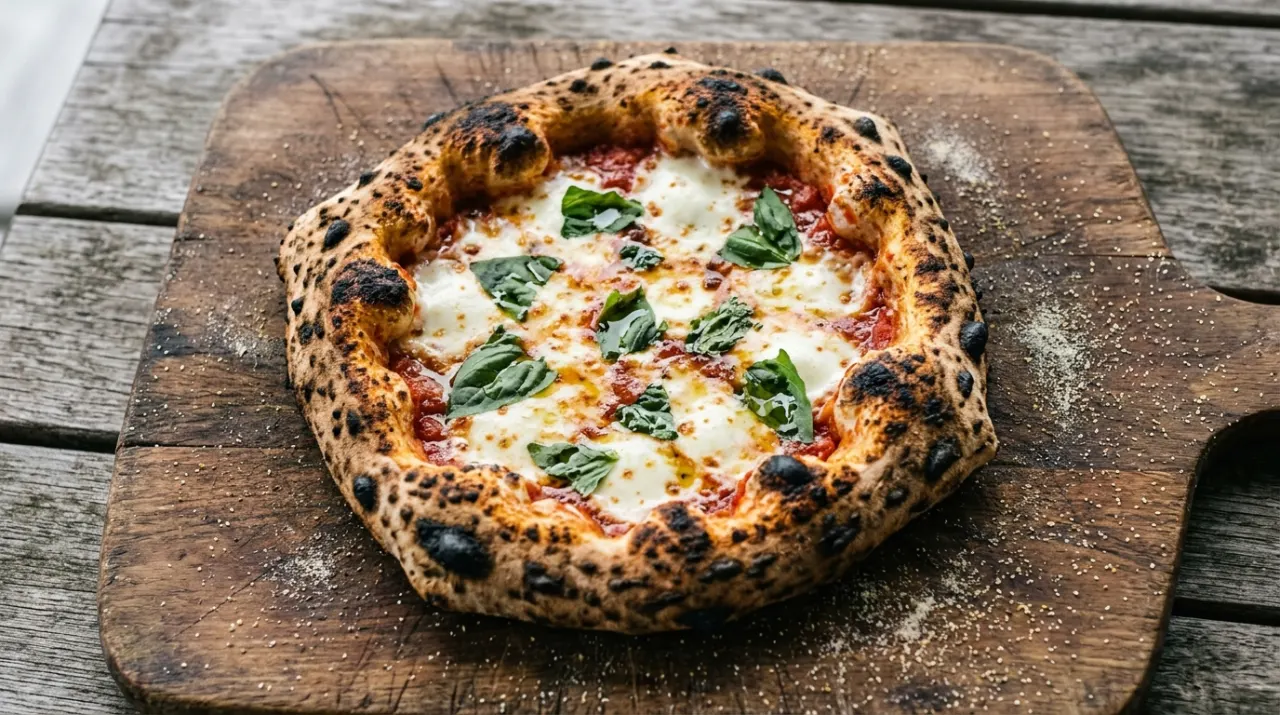
Lump wins here and it is not close. Because it is pure carbon it ignites fast and drives the coal bed well past 700°F, the range you want for a genuine crust on a steak or a hard sear on burgers. It also answers the vents almost immediately — crack them open and the fire climbs within a minute, close them and it settles — which is exactly the control a fast cook rewards. The trade-off is that lump burns down quicker, so for a hot cook you build a full, deep bed and get your food on while the fire is at its peak. Bag-to-bag size varies, and the fine dust at the bottom lights fast and dies fast, so pour off the powder before loading the chimney.
Which Is Better for Low-and-Slow Barbecue?
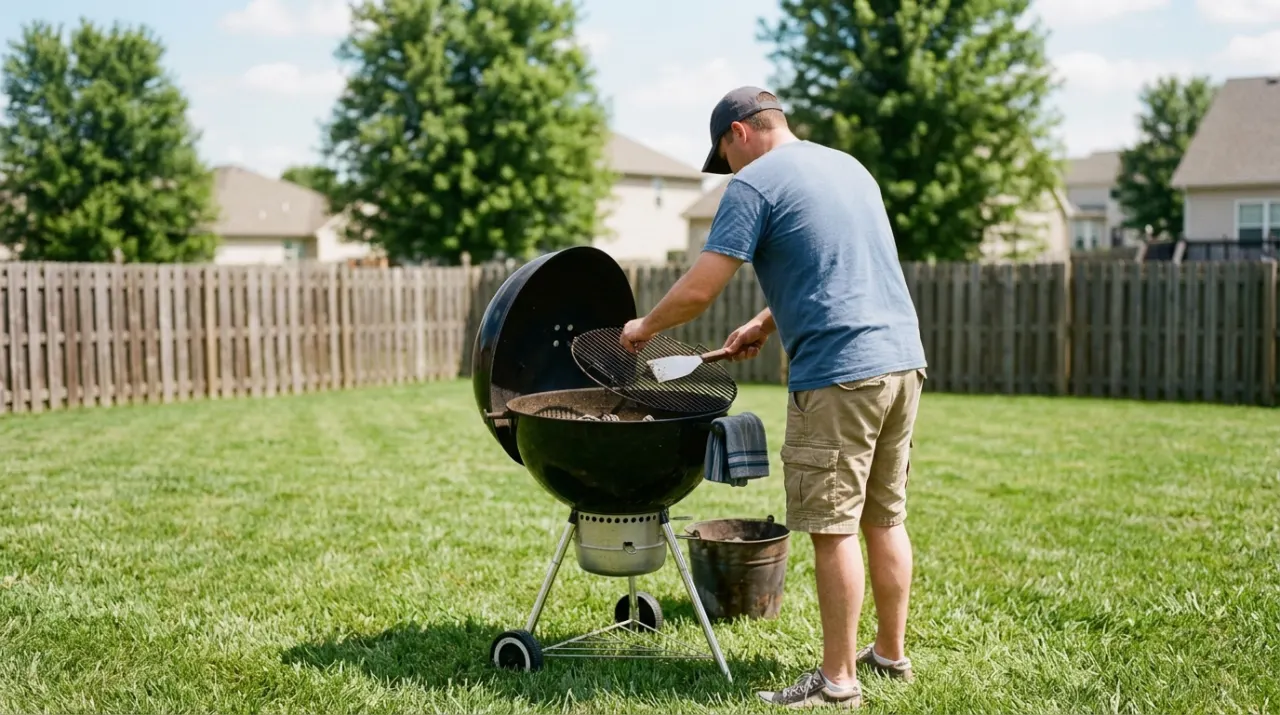
Briquettes are the better tool for a long smoke. A 10 to 14 hour brisket lives or dies on stable temperature, and the uniform shape of briquettes makes them easy to arrange into a minion pile or a snake that feeds itself slowly and predictably. Their filler content means a lower, flatter burn curve, so a well-built briquette fire in a controlled cooker can hold 225 to 250°F for the better part of a day with minimal fiddling. Lump can smoke beautifully and gives cleaner smoke with less ash, but its irregular pieces burn unevenly and its faster consumption makes an overnight hold harder. The common compromise: a briquette base for stability with a handful of lump chunks and wood for flavor. If you are shopping cookers for this, our best charcoal grill roundup covers the kettle and kamado styles that hold heat best.
Which Is Cheaper and Cleaner?
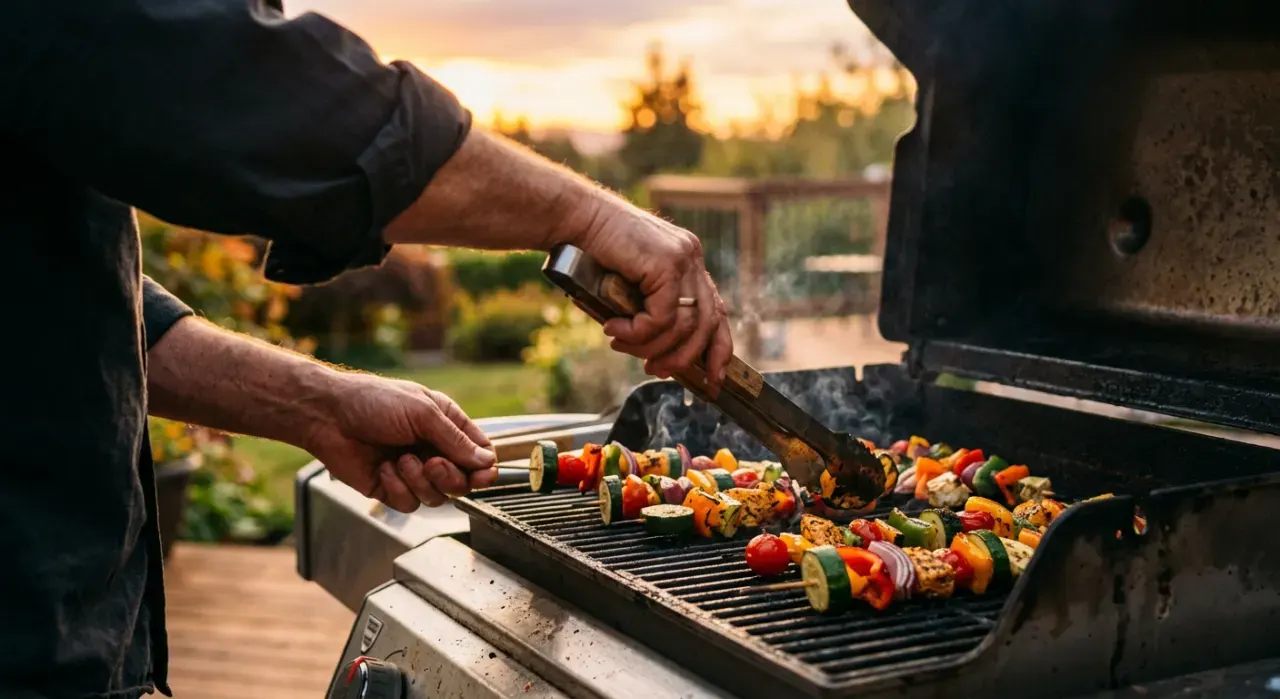
Briquettes are cheaper per pound and per cook, which matters if you grill weekly. Lump costs more but leaves far less ash, since there are no mineral fillers to fail to combust — fewer cleanouts, and better airflow late in a long session because the ash does not smother the vents. If cost is your first concern, briquettes; if low maintenance and a cleaner fire are worth a few extra dollars, lump. Either way, avoid instant-light or match-light products soaked in lighter fluid, and let any fuel ash over to gray before food touches the grate. A chimney starter and a couple of paraffin cubes light both cleanly without fluid.
Which Should You Buy?
Buy lump if you mostly grill hot and fast, want the highest sear temperatures, and prefer a low-ash fire you barely have to clean. Buy briquettes if you smoke and barbecue, want the most predictable, hands-off temperature control, and want the lowest cost per cook. Most people who cook often end up owning both — briquettes for the all-day cooks, lump for the weeknight steak. If you are new to charcoal entirely, start with briquettes for the easier control, then read our best charcoal grill for beginners guide. Weighing gas instead of charcoal altogether? See natural gas vs propane grill and kettle vs barrel charcoal grill.